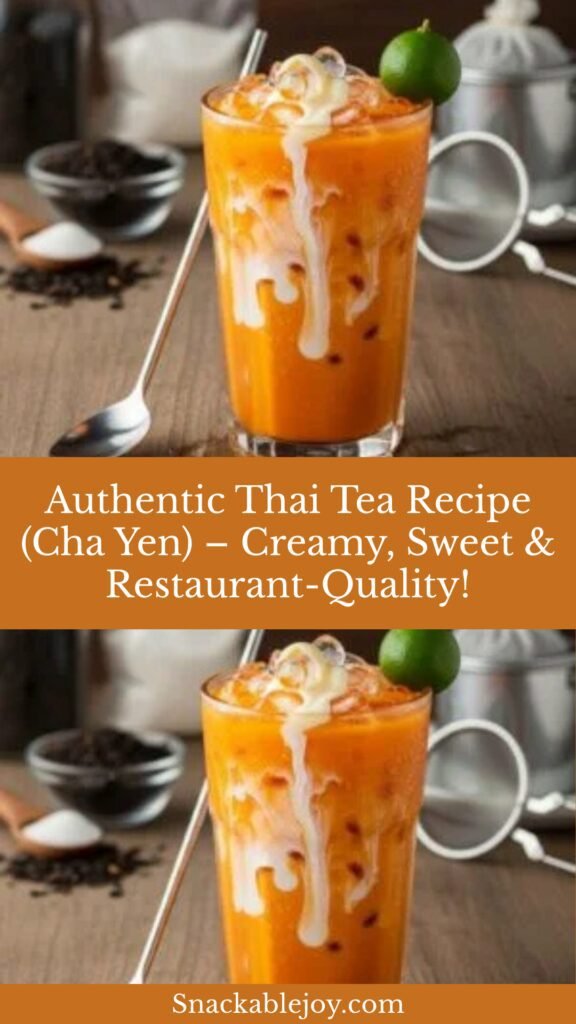
Authentic Thai Tea Recipe (Cha Yen) – Creamy, Sweet & Restaurant-Quality!
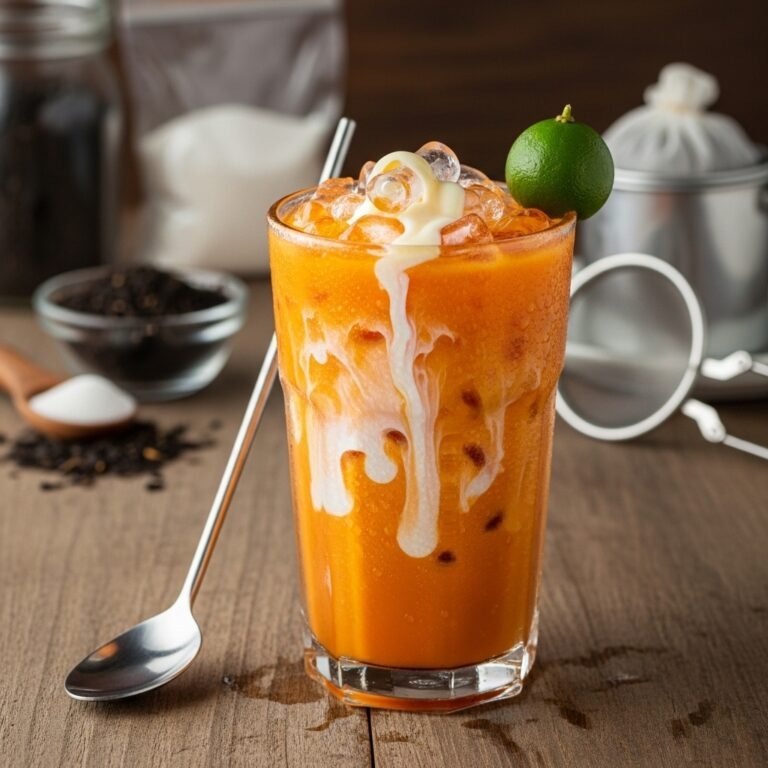
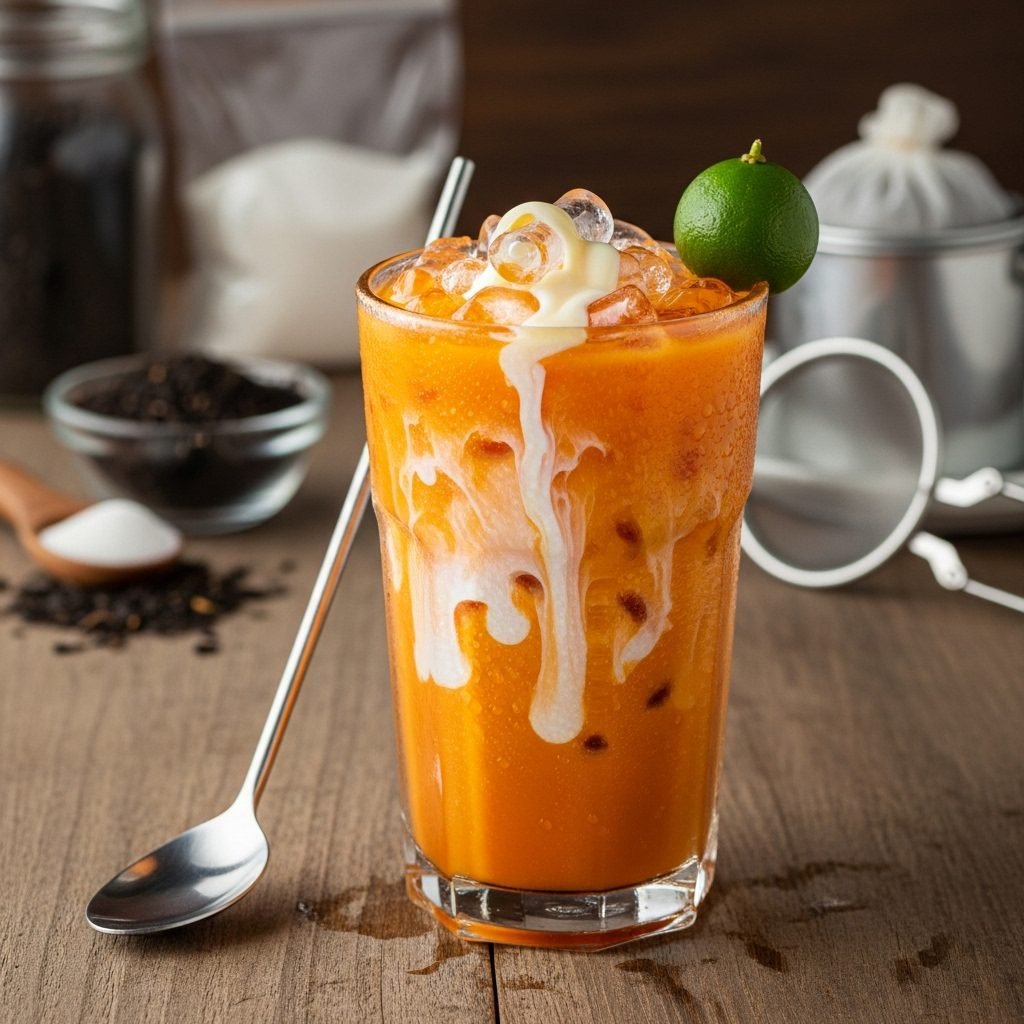
If you’ve ever walked into a Thai restaurant and been mesmerized by those gorgeous glasses of vibrant orange tea topped with swirls of creamy condensed milk, you already know the magic of Thai tea! This beloved beverage, known as “Cha Yen” in Thailand, has captured hearts across America with its unique sweet-spiced flavor, stunning color, and irresistibly creamy texture. It’s the perfect balance of bold black tea, warm spices, and rich sweetness that makes every sip feel like a mini vacation.
Thai tea isn’t just a drink—it’s an experience. That first taste delivers complex flavors: robust tea, hints of vanilla, star anise, and other aromatic spices, all mellowed by sweetened condensed milk and evaporated milk. The result? Pure liquid comfort that’s both energizing and indulgent. The beautiful sunset-orange color makes it incredibly Instagram-worthy, while the sweet, creamy taste appeals to kids and adults alike.
Serve this refreshing Thai tea at summer barbecues, alongside spicy Thai dishes (it’s perfect for cooling your palate!), at brunch gatherings, or simply as an afternoon pick-me-up. It’s also a fantastic alternative to boring iced coffee or basic sweet tea. Best of all, you can make authentic restaurant-quality Thai tea right in your own kitchen for a fraction of the cost, and it’s surprisingly easy once you have the right tea blend!
History / Background
Thai tea has a fascinating history that reflects Thailand’s complex cultural influences and trade relationships. The story begins in the 1940s during Field Marshal Plaek Phibunsongkhram’s government, when Thailand was actively modernizing and establishing its national identity. Tea cultivation had been introduced to Thailand in the late 19th century, but the distinctive orange Thai tea we know today was developed as a uniquely Thai product.
The original Thai tea blend was created using Ceylon black tea from Sri Lanka (Thailand’s neighbor and major trading partner), which was then enhanced with spices and flavorings. The signature orange color comes from added food coloring—traditionally yellow and red dyes—though some of the hue also comes from the spices naturally present in the blend, including tamarind seed, star anise, and sometimes annatto or turmeric.
The addition of condensed milk has historical roots in Southeast Asian adaptation to hot climates. Before refrigeration was widespread, sweetened condensed milk was a shelf-stable way to enjoy milk products in tropical regions. This American-invented product (created during the Civil War) became hugely popular throughout Asia and was incorporated into local food cultures, including Thai beverages.
“Cha Yen” literally translates to “cold tea” in Thai. The drink became extremely popular at street food stalls and markets throughout Thailand, where vendors would brew massive pots of the strong, spiced tea and serve it poured over crushed ice with a dramatic pour of condensed milk creating that iconic layered look. The presentation became part of the experience—watching the white cream swirl and marble through the bright orange tea is part of Thai tea’s visual appeal.
When Thai immigration to the United States increased significantly in the 1970s and 80s, Thai restaurants began appearing in major American cities. Thai tea quickly became one of the most popular menu items, introducing American diners to this exotic, sweet beverage. Its popularity exploded in the 2000s with the rise of bubble tea shops and Asian fusion cafés, where Thai tea became a base for boba drinks, smoothies, and even desserts.
Today, Thai tea has transcended its origins and become a beloved international beverage. You’ll find Thai tea lattes at trendy coffee shops, Thai tea ice cream at dessert parlors, and Thai tea-flavored everything from cakes to cocktails. Yet the classic preparation—strong spiced tea over ice with sweetened condensed milk—remains the gold standard that keeps people coming back for more.
Why You’ll Love This Recipe
This homemade Thai tea recipe brings the authentic taste of your favorite Thai restaurant right to your kitchen, and once you make it yourself, you’ll never want to order it out again. The homemade version is fresher, more flavorful, and you can control every aspect from sweetness to creaminess.
Here’s why this recipe will become your new obsession:
- Authentic Restaurant Taste: Tastes exactly like what you’d get at a Thai restaurant, if not better
- Budget-Friendly: Make 4-6 servings for less than the cost of one restaurant drink
- Quick & Easy: Ready in 15 minutes once you have the tea blend
- Customizable Sweetness: Control exactly how sweet (or not) you want it
- Stunning Presentation: That gorgeous orange color and cream swirl looks incredible
- Naturally Energizing: Black tea provides a caffeine boost without coffee jitters
- Impressive to Guests: People will be amazed you made this at home
- Year-Round Enjoyment: Refreshing in summer, comforting in winter (yes, you can serve it hot!)
- No Special Equipment: Just basic kitchen tools required
- Kid-Approved: The sweet, creamy flavor appeals to all ages
- Make-Ahead Friendly: Brew the tea concentrate ahead and mix when ready
- Boba-Ready: Perfect base for adding tapioca pearls if you love bubble tea
Ingredient Notes
Let’s break down what makes Thai tea so uniquely delicious and how each component contributes to that signature flavor:
Thai Tea Mix: This is the essential ingredient that makes Thai tea, well, Thai tea! Traditional Thai tea mix (look for brands like Pantai or Number One) contains black tea leaves (usually Ceylon), along with spices like star anise, tamarind seed, sometimes vanilla, and food coloring that creates the signature orange hue. You can find it at Asian grocery stores, online, or even some well-stocked regular supermarkets in the international aisle. The tea is typically quite strong and robust.
Water: The foundation for brewing your tea. Filtered water produces the best-tasting tea, especially if your tap water has strong mineral flavors or chlorine.
Granulated Sugar: Added during brewing to sweeten the tea concentrate. Sugar dissolves better in hot liquid than cold, which is why we add it during the brewing process. You can adjust the amount based on your sweetness preference—Thai tea is traditionally quite sweet, but you’re in control here!
Sweetened Condensed Milk: This is where the magic happens! Sweetened condensed milk provides both creaminess and additional sweetness. It’s what creates that beautiful swirled effect when poured over the orange tea. Thai brands like Longevity are traditional, but any brand works. Some recipes use half-and-half or cream, but condensed milk is more authentic and provides that characteristically rich, sweet taste.
Evaporated Milk or Half-and-Half: Used in addition to condensed milk to add extra creaminess without making it overly sweet. Evaporated milk is more traditional, but half-and-half, whole milk, or even coconut milk work beautifully. This is optional but recommended for that ultra-creamy texture.
Ice: Essential for serving cha yen in its classic cold format. Crushed ice is more traditional and creates a better texture, but regular ice cubes work perfectly fine.
Optional Add-Ins: Some variations include a pinch of ground cardamom, extra vanilla extract, or even a tiny pinch of orange blossom water for additional aromatic complexity.
Equipment Needed
The beauty of Thai tea is that it requires minimal equipment—you probably have everything already! Here’s what you’ll need:
- Medium Saucepan or Pot: For boiling water and brewing the tea (2-quart capacity works well)
- Measuring Cups and Spoons: For accurate measurements of tea, sugar, and milk
- Fine-Mesh Strainer or Tea Sock: Essential for straining the tea leaves and getting a smooth, sediment-free drink. A coffee filter or cheesecloth also works.
- Heat-Safe Pitcher or Bowl: For collecting the strained tea
- Long Spoon or Whisk: For stirring the sugar into the hot tea
- Tall Glasses: Traditional Thai tea glasses are clear to show off the beautiful color and layers (16-ounce glasses are perfect)
- Ice Cube Trays: For making plenty of ice (crushed ice is ideal but not required)
- Small Measuring Cup or Creamer: For pouring the condensed milk gracefully over the tea
- Optional – Cocktail Shaker: Some people like to shake Thai tea with ice for a frothy texture
- Optional – Tea Sock/Filter Bag: Traditional Thai tea vendors use special fabric tea socks for brewing, but a regular strainer works great
Print

Thai Tea Recipe
This authentic Thai Tea (Cha Yen) recipe delivers that beautiful orange color, sweet-spiced flavor, and creamy texture you love from Thai restaurants. Made with traditional Thai tea mix, sweetened condensed milk, and evaporated milk, it’s refreshing, energizing, and absolutely delicious!
- Total Time: 10 minutes (plus cooling time: 30-45 minutes)
- Yield: 4 servings 1x
Ingredients
ScaleFor the Thai Tea Base:
- 4 cups water
- 4-5 tablespoons Thai tea mix (loose leaf)
- ⅓ cup granulated sugar (adjust to taste)
For Serving:
- Ice cubes (preferably crushed)
- ½ cup sweetened condensed milk (or to taste)
- ½ cup evaporated milk or half-and-half (optional, for extra creaminess)
Instructions
- Boil the Water: Bring 4 cups of water to a rolling boil in a medium saucepan over high heat. This usually takes 5-7 minutes depending on your stove.
- Add Thai Tea Mix: Once the water reaches a full boil, remove from heat and immediately add 4-5 tablespoons of Thai tea mix. The amount depends on how strong you like your tea—use 4 tablespoons for medium strength or 5 tablespoons for that authentic, robust flavor. Stir briefly to make sure all the tea leaves are submerged.
- Steep the Tea: Let the tea steep for 5 minutes. Do not stir during this time—just let it sit undisturbed. The tea will turn a deep reddish-orange color and smell wonderfully fragrant. For even stronger tea (which I prefer!), you can steep up to 8-10 minutes.
- Strain the Tea: Place a fine-mesh strainer over a heat-safe pitcher or bowl. Carefully pour the brewed tea through the strainer to remove all the tea leaves and spices. Press down on the leaves with a spoon to extract every drop of flavorful liquid. You should have about 3½ cups of beautiful orange tea concentrate.
- Sweeten While Hot: While the tea is still hot, add ⅓ cup of granulated sugar. Stir vigorously with a long spoon until the sugar completely dissolves—this takes about 30 seconds of stirring. Taste and add more sugar if you prefer sweeter tea. Remember, Thai tea is traditionally quite sweet! The tea will seem very sweet at this point, but the ice and milk will balance it perfectly.
- Cool the Tea Completely: Let the sweetened tea cool to room temperature (about 30-45 minutes). For faster cooling, you can place the container in an ice bath (a larger bowl filled with ice water). Never pour hot tea directly over ice as it will melt the ice immediately and water down your drink. Once at room temperature, refrigerate the tea concentrate for at least 2 hours, or until completely cold.
- Prepare the Cream Mixture: In a small bowl or measuring cup, combine the sweetened condensed milk and evaporated milk (or half-and-half). Stir well to mix. This creates the perfect creamy topping for your Thai tea. You can adjust the ratio—more condensed milk makes it sweeter, more evaporated milk makes it creamier but less sweet.
- Fill Glasses with Ice: Fill tall glasses to the brim with ice cubes. Crushed ice is more traditional and creates a better texture, but regular cubes work perfectly. The more ice, the better—you want your drink icy cold!
- Pour the Tea: Fill each glass about three-quarters full with the chilled Thai tea concentrate, leaving room at the top for the cream.
- Add the Cream: This is the fun part! Slowly pour 2-3 tablespoons of the cream mixture over the tea in each glass. Don’t stir—the beautiful layered effect with orange tea on the bottom and white cream on top is classic Thai tea presentation! Some will naturally swirl and marble, creating gorgeous patterns.
- Serve with a Straw: Add a straw to each glass. Traditionally, you sip the creamy top first, then stir everything together as you drink, but you can stir immediately if you prefer. Either way is delicious!
- Enjoy Immediately: Thai tea is best enjoyed fresh and ice-cold. Sip slowly and savor that perfect balance of sweet, spiced tea and rich cream!
Notes
- Tea Strength: Thai tea should be quite strong and robust. If your tea tastes weak, increase the amount of tea mix or steep longer next time.
- Sugar Adjustments: Thai tea is traditionally very sweet (comparable to Southern sweet tea). Start with ⅓ cup sugar and adjust to taste. You can always add more sugar while the tea is hot.
- Milk Variations: For dairy-free, use coconut condensed milk and coconut cream. For lighter versions, reduce the condensed milk and use more evaporated milk or regular milk.
- That Orange Color: Authentic Thai tea mix contains food coloring, which creates the signature bright orange hue. If your tea looks more brown than orange, your tea mix may not contain coloring (some brands skip it), or you may need a fresher batch.
- Storage: The unsweetened tea concentrate can be refrigerated for up to 5 days. Mix with cream just before serving.
- Hot Thai Tea: Skip the ice and add hot milk instead for a comforting cold-weather version!
- Prep Time: 5 minutes
- Cook Time: 5 minutes
- Category: Beverage
- Method: Steeping
- Cuisine: Thai
- Diet: Gluten Free
Nutrition
- Serving Size: 1 glass (12 oz, with cream)
- Calories: 195
- Sugar: 34g
- Sodium: 85mg
- Fat: 5g
- Saturated Fat: 3g
- Unsaturated Fat: 2g
- Trans Fat: 0g
- Carbohydrates: 38g
- Fiber: 0g
- Protein: 4g
- Cholesterol: 18mg
Tips & Variations
One of the best things about Thai tea is how customizable it is! Here are ways to make this recipe your own:
Flavor Variations:
- Thai Milk Tea (Hot Version): Skip the ice and add hot milk for a cozy, latte-style drink
- Thai Tea Latte: Use less tea concentrate and more milk for a creamier, less intense version
- Spiced Thai Tea: Add a cinnamon stick, extra star anise, or cardamom pods while brewing for enhanced spice notes
- Vanilla Thai Tea: Add ½ teaspoon vanilla extract to the cream mixture for extra sweetness
- Coconut Thai Tea: Replace all dairy with coconut milk and coconut condensed milk for a tropical twist
- Thai Tea Boba: Add cooked tapioca pearls (boba) to the bottom of your glass before adding tea
Sweetener Options:
- Less Sweet Version: Reduce sugar to 3-4 tablespoons and use less condensed milk
- Sugar-Free: Use sugar substitute like erythritol or stevia to taste (note: flavor will differ slightly)
- Honey Thai Tea: Replace half the sugar with honey for a different sweetness profile
- Brown Sugar: Use brown sugar instead of white for a deeper, molasses-like flavor
Milk Alternatives:
- Dairy-Free: Use coconut condensed milk and coconut cream or oat milk
- Vegan: Coconut or almond-based condensed milk works beautifully
- Lighter Version: Use low-fat evaporated milk and reduce condensed milk by half
- Extra Creamy: Add a splash of heavy cream to your milk mixture
Serving Style Variations:
- Thai Tea Frappe: Blend the tea concentrate with ice and cream for a smoothie-like texture
- Thai Tea Float: Add a scoop of vanilla ice cream on top
- Thai Tea Cocktail: Add a shot of rum, vodka, or Kahlua for adults (Thai Tea White Russian!)
- Thai Tea Affogato: Pour hot Thai tea concentrate over vanilla ice cream
Strength Adjustments:
- Extra Strong: Use 6 tablespoons of tea mix or steep for 10-12 minutes
- Milder: Use 3 tablespoons of tea mix or dilute with more water
- Half-Caff: Mix regular Thai tea with decaf black tea
Pro Chef Tips
Want to make your Thai tea taste like it came straight from Bangkok’s best tea stall? Here are insider secrets:
The Traditional Brewing Technique: Professional Thai tea vendors use a unique pulling or pouring method. After brewing, they pour the tea back and forth between two containers from a height several times. This aerates the tea, creating a frothy, silky texture and mellowing any bitterness. Try it over the sink—pour from one pitcher to another from about 2 feet high, repeating 3-4 times. It makes a difference!
Crushed Ice is Key: Traditional Thai tea uses crushed or pebble ice rather than large cubes. The smaller ice pieces create more surface area, keeping your drink colder longer and creating that perfect slushy-smooth texture as they melt. If you don’t have crushed ice, put regular ice cubes in a zip-top bag and smash them with a rolling pin or mallet.
Layer for Presentation: For that stunning Instagram-worthy look, pour the tea over ice first, then drizzle the cream mixture slowly over the back of a spoon held just above the surface of the tea. This creates cleaner, more defined layers. Some cafés even pour the cream down a straw to control the flow!
Quality Tea Matters: Not all Thai tea mixes are created equal. Brands like Pantai, Number One Brand, or ChaTraMue are considered top-quality. Fresh tea makes an enormous difference—old tea that’s been sitting in your pantry for years will taste stale and flat. Store your Thai tea mix in an airtight container in a cool, dark place.
Temperature Control: Always cool your tea completely before serving over ice. Room temperature tea melts ice quickly and waters down the drink. If you’re in a hurry, make the tea concentrate extra strong (use 6 tablespoons of tea), then pour it hot over lots of ice—the melting ice will dilute it to the perfect strength while cooling it instantly.
Ratio Perfection: The classic ratio is 3 parts tea to 1 part cream mixture, but this is adjustable based on preference. Some like it creamier (more milk), others prefer the tea flavor more pronounced (less milk). Find your perfect ratio!
Shake It Up: For an extra-frothy version, combine cold tea concentrate, ice, and cream in a cocktail shaker and shake vigorously for 15 seconds. Strain into a glass over fresh ice. This creates a slightly frothy, well-incorporated drink with a beautiful texture.
The Sugar Dissolving Secret: Always dissolve sugar while the tea is hot—never try to add sugar to cold tea as it won’t dissolve properly and will sink to the bottom in gritty crystals. If you forget to sweeten during brewing, make a simple syrup (equal parts sugar and hot water, stirred until dissolved) and add to cold tea.
Common Mistakes to Avoid
Even simple recipes can go wrong! Here’s how to ensure perfect Thai tea every time:
1. Over-Steeping or Under-Steeping: Thai tea needs to be steeped long enough to extract all those wonderful flavors and that signature color, but not so long it becomes bitter. The sweet spot is 5-8 minutes. Less than 5 minutes produces weak, pale tea that tastes watery. More than 10 minutes can make it bitter and overly strong. Set a timer and stick to it!
2. Pouring Hot Tea Over Ice: This is one of the most common mistakes! When you pour hot tea directly over ice, the ice melts rapidly, leaving you with a watered-down, weak drink that tastes disappointing. Always cool your tea to room temperature first, then refrigerate until cold. If you’re impatient, brew the tea extra strong so melting ice brings it to the right concentration.
3. Not Straining Thoroughly: Thai tea mix contains fine particles and spices that need to be completely strained out. If you don’t strain carefully, you’ll end up with gritty sediment at the bottom of your glass and a muddy texture. Use a fine-mesh strainer or line a regular strainer with cheesecloth or a coffee filter for crystal-clear tea.
4. Skipping the Cream or Using the Wrong Kind: Some people think they can skip the condensed milk and just use regular milk—but that’s not authentic Thai tea! The sweetened condensed milk is essential for that characteristic sweet, creamy richness. If you use only regular milk, your tea will taste thin and lack that signature flavor. The combination of condensed milk and evaporated milk (or half-and-half) creates the perfect texture and sweetness.
5. Making It Too Sweet or Not Sweet Enough: Thai tea is traditionally quite sweet, but “too sweet” is subjective. The mistake is not tasting as you go. Always taste your tea concentrate before cooling and adjust the sugar while it’s hot. Remember that ice and milk will dilute and mellow the sweetness, so the concentrate should taste slightly sweeter than you ultimately want. Start conservative and add more rather than making it too sweet to fix.
6. Using Old or Low-Quality Tea: Thai tea mix that’s been sitting in your pantry for years will have lost much of its flavor and aromatic oils. The tea will taste flat, stale, and lack that beautiful orange color. Always check the date on your tea mix and store it properly in an airtight container. Fresh tea makes all the difference in achieving authentic flavor.
Storage & Meal Prep
Here’s how to store and prep your Thai tea for maximum convenience and freshness:
Refrigerator Storage: The brewed and sweetened Thai tea concentrate can be stored in a covered pitcher or jar in the refrigerator for up to 5 days. This is actually ideal for meal prep! The flavors meld and improve after 24 hours. Just keep the tea concentrate separate from the cream mixture and combine when ready to serve. Give the tea a good stir before using as some settling may occur.
Cream Mixture Storage: Mix your condensed milk and evaporated milk together and store in a separate jar in the refrigerator for up to 1 week. Shake well before using as the condensed milk may settle.
Already Mixed Thai Tea: If you’ve already combined the tea and cream over ice, drink it within 1-2 hours for best quality. After that, the ice melts significantly, diluting the flavor. Don’t refrigerate already-assembled iced Thai tea—it won’t keep well and the melted ice waters it down.
Concentrate vs. Ready-to-Drink: I highly recommend storing the components separately rather than pre-mixing everything. This allows you to:
- Adjust sweetness and creaminess per serving
- Keep the tea fresh longer
- Serve to guests with different preferences
- Use the tea concentrate for multiple purposes (hot tea, boba drinks, desserts)
Best Serving Temperature: Thai tea should be served ice-cold—between 35-40°F is ideal. Keep your tea concentrate refrigerated and serve over lots of ice. Some Thai restaurants even pre-chill their serving glasses in the freezer for maximum coldness!
Signs of Spoilage: Brewed tea concentrate rarely spoils if refrigerated, but if it develops an off smell, mold, or tastes fermented, discard it. The cream mixture will spoil faster—if it smells sour or has separated in an unusual way, throw it out. Always practice food safety!
Leftover Tea Leaves: Don’t throw away the used tea leaves! They can be composted, or you can use them as a natural dye for crafts. Some people even use cooled tea leaves as a base for face masks or bath soaks (though I prefer to just compost them).
Make-Ahead & Freezer Notes
Thai tea is one of the best beverages for advance preparation! Here’s your complete make-ahead strategy:
Full Make-Ahead Plan (Up to 5 Days): Brew your Thai tea concentrate, sweeten it, cool completely, and store in a pitcher in the refrigerator for up to 5 days. Mix your cream combination and store separately in a jar, also refrigerated. When ready to serve, simply assemble: ice, tea, cream. This method is perfect for meal prepping your week’s worth of afternoon pick-me-ups or preparing for a party.
Party Prep Strategy: Hosting a Thai-themed dinner? Make a double or triple batch of tea concentrate 1-2 days before your event. Store it in a large pitcher. Set up a self-serve Thai tea station with:
- Pitcher of cold tea concentrate
- Bowl of ice (keep refilling from freezer)
- Bottles of condensed milk and evaporated milk
- Tall glasses and spoons
- Optional: boba pearls, extra sugar, straws Let guests build their own perfect Thai tea!
Freezer Options: You can freeze Thai tea concentrate in several useful ways:
Thai Tea Ice Cubes: Pour the sweetened tea concentrate into ice cube trays and freeze. Use these instead of regular ice cubes when serving Thai tea—as they melt, they intensify the flavor rather than watering it down! This is genuinely brilliant for keeping your drink perfectly strong from first sip to last.
Concentrate Portions: Freeze the tea concentrate in 1-cup portions in zip-top freezer bags laid flat. They’ll stack neatly and thaw quickly. Thaw overnight in the fridge or run the sealed bag under cool water for 5-10 minutes. The tea concentrate keeps for up to 3 months frozen.
Ready-to-Blend Packs: Freeze portions of tea concentrate with a little extra water in freezer-safe containers. When you want a Thai Tea Frappe, blend the frozen block with fresh milk—instant slushy Thai tea!
Do Not Freeze: Never freeze Thai tea that’s already been mixed with cream or served over ice. The dairy separates upon thawing and the texture becomes grainy and unpleasant. Always freeze only the tea concentrate, never the finished drink.
Quick Thaw Method: Need your frozen tea concentrate quickly? Place the frozen container in a bowl of warm (not hot) water for 10-15 minutes, stirring occasionally as it thaws. Or microwave in 30-second bursts at 50% power, stirring between each burst, until thawed but not hot.
Condensed Milk Note: Opened cans of sweetened condensed milk should be transferred to an airtight container and refrigerated, where they’ll keep for about 2 weeks. Do not freeze condensed milk—it changes texture dramatically and becomes grainy.
Serving Suggestions
Thai tea pairs beautifully with so many foods! Here’s what to serve alongside:
Thai & Asian Dishes:
- Pad Thai (the creaminess cools the spice!)
- Thai basil chicken (Pad Krapow Gai)
- Green or red Thai curry
- Spring rolls or summer rolls with peanut sauce
- Tom Yum soup
- Drunken noodles (Pad Kee Mao)
- Massaman curry
- Crispy Thai fried chicken
- Mango sticky rice
Street Food & Snacks:
- Vietnamese banh mi sandwiches
- Chicken satay with peanut sauce
- Pork or vegetable dumplings
- Fried wontons or egg rolls
- Edamame with sea salt
- Thai fish cakes (Tod Mun Pla)
- Crispy fried tofu
- Papaya salad (Som Tam)
Comfort Food Pairings:
- Fried chicken (any style)
- Burgers and fries (the sweetness complements savory!)
- Pizza (surprisingly great combination)
- Grilled cheese sandwiches
- Fried rice dishes
- Noodle soups
- Spicy wings or buffalo chicken
Dessert Accompaniments:
- Coconut ice cream
- Mango sorbet
- Almond cookies
- Sesame balls
- Fried bananas
- Rice pudding
- Pandan cake
- Butter cookies
Brunch & Breakfast Ideas:
- French toast or waffles
- Breakfast sandwiches
- Croissants or pastries
- Fruit salad
- Yogurt parfaits
- Banana bread
- Cinnamon rolls
Party & Entertaining: Thai tea is fantastic for parties! Serve it:
- At baby showers or bridal showers
- Backyard BBQs and cookouts
- Pool parties
- Game day gatherings
- Book club meetings
- Asian-themed dinner parties
- Summer picnics
Boba/Bubble Tea Bar: Set up a DIY bubble tea station with cooked tapioca pearls (follow package directions), various toppings (coconut jelly, grass jelly, aloe vera), different levels of sweetness, and fun wide straws!
FAQs Section
Q: Where can I buy Thai tea mix?
A: Thai tea mix is widely available! Your best options are Asian grocery stores (especially Thai or Vietnamese markets), where you’ll find it in the tea aisle—look for brands like Pantai, Number One, or ChaTraMue. You can also order it from Amazon, import food websites, or even some larger regular supermarkets in the international aisle. It typically comes in 1-pound bags and is quite affordable (around $5-8 per bag, which makes many servings).Q: Can I make Thai tea without the special tea mix?
A: While traditional Thai tea has a unique flavor profile that’s hard to replicate exactly, you can make a simplified version using 4-5 bags of strong black tea (like Ceylon or Assam) with added spices. Brew the black tea, then add: 2 star anise, ½ teaspoon vanilla extract, a tiny pinch of cardamom, and a small pinch of turmeric for color. It won’t be exactly the same, but it’ll be delicious! The special Thai tea mix is worth seeking out, though—it really does make a difference.Q: Why is my Thai tea brown instead of orange?
A: The signature bright orange color comes primarily from food coloring added to traditional Thai tea mixes. If your tea is brown instead of orange, you may have: (1) a tea mix that doesn’t contain food coloring (some natural/organic versions skip it), (2) old tea that’s lost its color, or (3) under-steeped tea that’s too weak. The tea will taste fine even if brown—it’s just not as visually stunning. If you want that classic color, make sure you’re using a traditional Thai tea mix with coloring.Q: Is Thai tea very high in caffeine?
A: Thai tea contains moderate caffeine from the black tea base—roughly 50-60mg per 8oz serving, which is about half the caffeine of a cup of coffee (which has about 95mg). It’s more than green tea but less than coffee, making it a nice midday pick-me-up without being too intense. If you’re sensitive to caffeine, drink it earlier in the day or look for decaffeinated Thai tea mixes, which are available at some specialty stores.Q: Can I make a large batch for a party?
A: Absolutely! Thai tea is perfect for parties and scales beautifully. For 20 servings, use: 16 cups water, 20 tablespoons (1¼ cups) Thai tea mix, 1⅓ cups sugar, 2 cups sweetened condensed milk, and 2 cups evaporated milk. Brew the tea concentrate a day ahead and refrigerate. Set up a self-serve station with the tea concentrate, ice, cream mixture, and pretty glasses. Guests can customize their own drinks!Q: How can I make a healthier version?
A: Thai tea is traditionally quite indulgent, but you can lighten it: Use sugar substitute or reduce sugar by half, replace condensed milk with a smaller amount of honey or maple syrup, use low-fat evaporated milk or unsweetened almond/oat milk, and add more ice to dilute. Keep in mind this will change the authentic taste significantly, but it can still be delicious. A “lighter” version might have about 100 calories instead of 195.Q: Can I use Thai tea in other recipes?
A: Yes! Thai tea is incredibly versatile beyond drinking: Make Thai tea ice cream or popsicles, use it as a boba/bubble tea base, create Thai tea lattes (hot version), make Thai tea tiramisu or panna cotta, bake Thai tea flavored cakes or cookies, mix into smoothies or protein shakes, or even make Thai tea cocktails (Thai Tea White Russian with vodka and Kahlua is amazing!). The concentrated tea works beautifully in any recipe where you’d use coffee or strong tea.Q: My Thai tea tastes bitter. What went wrong?
A: Bitterness in Thai tea usually comes from over-steeping. Black tea becomes bitter if steeped longer than 10 minutes. If this happens, you can try to balance the bitterness by adding more sugar and more condensed milk, but prevention is better—always set a timer and steep for 5-8 minutes maximum. Also make sure your water isn’t actively boiling when you add the tea; remove from heat first. Quality fresh tea also helps prevent bitterness.Conclusion
There you have it—your complete guide to making authentic,restaurant-quality Thai tea at home! This stunning orange beverage with its perfect balance of robust tea, warm spices, and creamy sweetness is about to become your new favorite drink obsession. Whether you’re cooling down on a hot summer day, pairing it with spicy Thai food, or simply treating yourself to something special, homemade Thai tea delivers every single time.
The best part about making Thai tea yourself? You’re in complete control of the sweetness, creaminess, and strength—plus you’ll save so much money compared to ordering it at restaurants or cafés. Once you taste how fresh and flavorful the homemade version is, you’ll wonder why you ever paid $5+ for a single glass! Plus, there’s something deeply satisfying about mastering an iconic international beverage in your own kitchen.
I absolutely love hearing from readers who try my recipes! Did this Thai tea turn out perfectly? Did you add your own creative twist? Serve it at a party? I want to know everything!