Homemade Taro Bubble Tea Recipe (Creamy, Sweet & Better Than Boba Shops!)
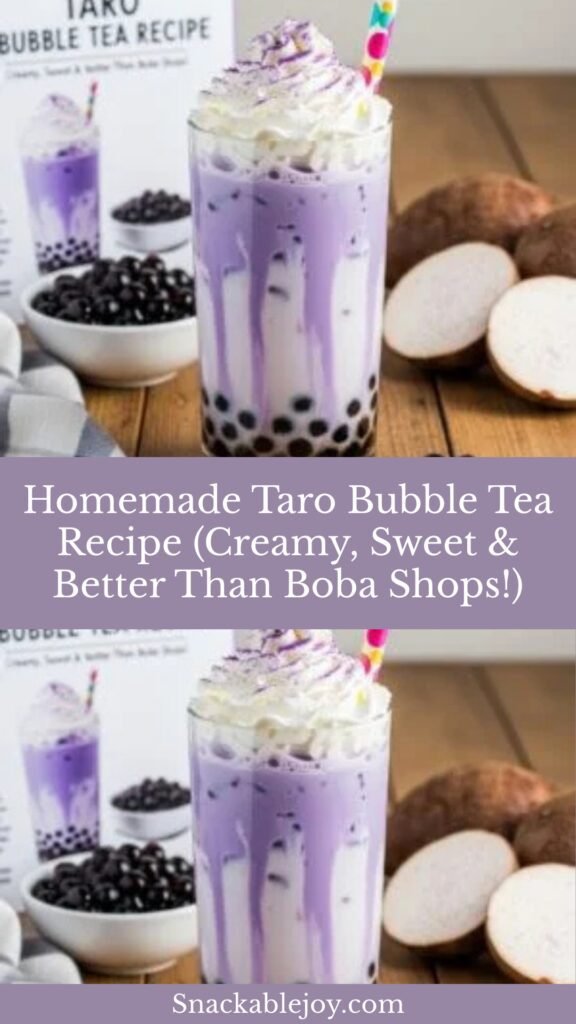
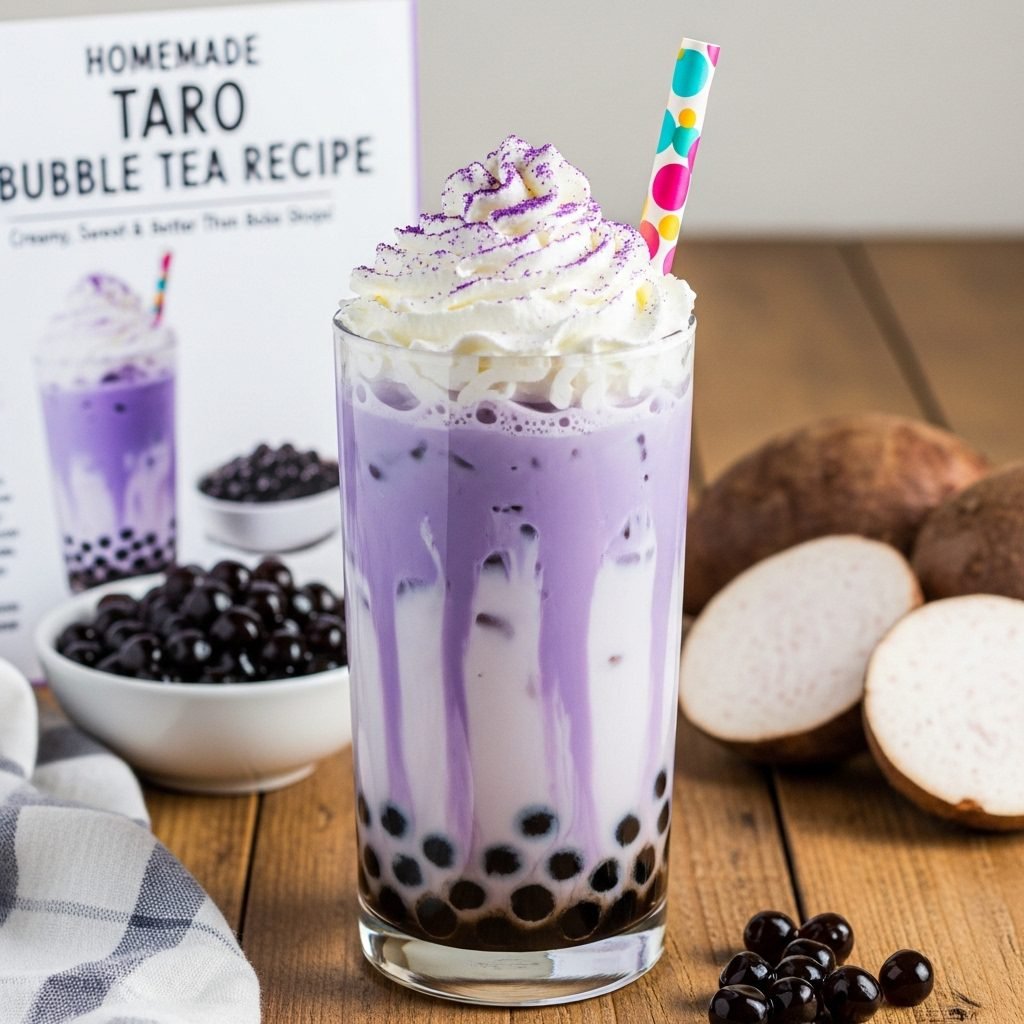
Get ready to fall head over heels for one of the most beloved and Instagram-worthy drinks in the bubble tea world—Taro Bubble Tea! If you’ve been spending $7-8 every time you crave that gorgeous purple, creamy, slightly sweet drink with those iconic chewy tapioca pearls, I’m about to change your life. This homemade version tastes even better than what you’d get at your favorite boba shop, and you can make it in your own kitchen for a fraction of the cost!
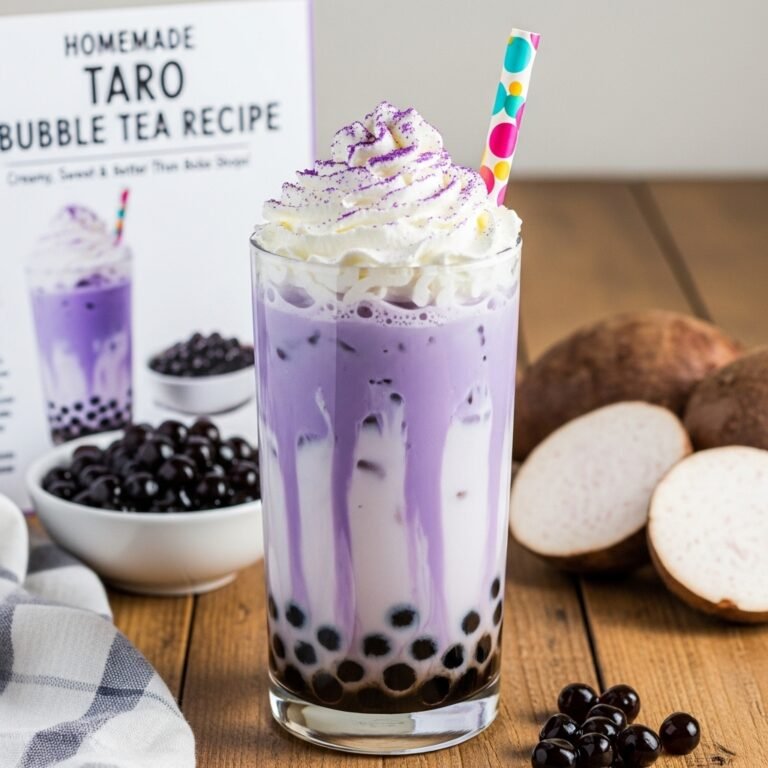
Taro Bubble Tea (also called Taro Boba or Taro Milk Tea) is a sweet, creamy, purple-hued drink made with taro root (or taro powder), milk, sweetener, and those famous chewy tapioca pearls (boba) that make drinking so much fun. The flavor is unique and addictive—subtly sweet, slightly nutty, with vanilla-like undertones and a hint of earthiness that’s reminiscent of sweet potato but more delicate. When combined with creamy milk and those QQ (chewy-bouncy) tapioca pearls, it creates a drink that’s both refreshing and indulgent.
This incredible drink is perfect for hot summer afternoons when you need something cool and sweet, as an afternoon treat that feels like dessert in a cup, when you’re craving bubble tea but don’t want to leave home or spend $8, for impressing friends with your boba-making skills, or simply when you want that boba shop experience with complete control over sweetness and ingredients. Taro bubble tea has become a phenomenon in Western countries, particularly popular among teens and young adults, but it’s been a staple in Taiwan and across Asia for decades.
What makes this homemade version truly special is the customization—you control the taro intensity, sweetness level, milk choice, and boba quantity. Plus, making it at home costs about $2-3 per drink versus $7-8 at shops. You can make the boba ahead, keep taro mixture ready in your fridge, and have bubble tea anytime the craving hits. It’s like having your own personal boba shop in your kitchen!
History / Background
Taro Bubble Tea has a fascinating history that combines ancient Asian agricultural traditions with modern Taiwanese innovation and global food trends. To understand taro bubble tea, we need to explore both taro itself and the bubble tea phenomenon separately, then see how they beautifully merged.
Taro (also called taro root, dasheen, or eddo) is one of the world’s oldest cultivated crops, with evidence of taro farming dating back over 7,000 years in Southeast Asia and the Pacific Islands. This starchy root vegetable has been a dietary staple across Asia, Polynesia, Africa, and the Caribbean for millennia. In Asian cuisine specifically, taro appears in countless forms—steamed, fried, in desserts, as a savory vegetable, and as a sweet flavoring. Its naturally purple-grey flesh turns a beautiful lavender when cooked and mashed, making it visually distinctive.
In traditional Asian desserts, taro has always been celebrated for its subtle sweetness and creamy texture when cooked. Chinese dessert soups, Taiwanese shaved ice, Filipino halo-halo, and Japanese sweets have featured taro for centuries. The flavor profile—slightly sweet, nutty, with vanilla undertones—made it a natural candidate for sweet beverages when bubble tea culture emerged.
Bubble tea (also called boba, pearl milk tea, or boba milk tea) was invented in Taiwan in the 1980s. While there’s some dispute about the exact origin, most historians credit tea shops in Taichung and Tainan, Taiwan, with developing the concept between 1983-1987. The innovation was adding tapioca pearls (originally made from cassava starch and used in Taiwanese desserts) to sweetened iced tea with milk. The chewy texture of the pearls combined with the creamy sweetness of milk tea created an entirely new beverage experience that quickly became obsession-worthy.
The name “bubble tea” actually comes from the foam (bubbles) created when the drink is shaken, not from the tapioca pearls themselves! The pearls are called “boba” (波霸) in Mandarin, which originally referred to large tapioca pearls and is slang for “busty” or voluptuous—a playful reference to the round, plump pearls.
Taro became one of the earliest and most popular bubble tea flavors in Taiwan during the 1990s. Its natural purple color was visually stunning and Instagram-worthy before Instagram even existed! The creamy, subtly sweet flavor paired perfectly with milk and complemented the chewy tapioca pearls beautifully. Unlike more aggressive flavors like chocolate or strawberry, taro’s delicate taste didn’t overwhelm—it created balance.
Bubble tea culture exploded across Asia throughout the 1990s and early 2000s, spreading to China, Hong Kong, Singapore, Japan, South Korea, and throughout Southeast Asia. Each region added their own twists, but taro remained consistently popular across cultures.
The drink arrived in the United States in the late 1990s, initially in areas with significant Asian populations—California, New York, Texas, Hawaii. Early adopters were primarily Asian-American communities who already knew and loved the flavors. The first wave of American boba shops opened in the early 2000s, with taro being among the most popular flavors alongside classic milk tea, Thai tea, and matcha.
The real explosion in Western popularity came in the 2010s, driven largely by social media. Instagram and TikTok transformed bubble tea from an ethnic specialty into a mainstream phenomenon. That gorgeous purple color, the aesthetic of clear cups showing layers and pearls, and the photogenic wide straws made taro bubble tea incredibly shareable online. Suddenly, everyone wanted to try “that purple drink with the balls.”
By 2018-2020, bubble tea shops were opening in suburban malls and college towns across America. Taro bubble tea specifically became iconic—its unique flavor intrigued Western palates unfamiliar with the root vegetable, and its purple hue made it the most photographed bubble tea flavor. Celebrities posted about it, influencers reviewed it, and it became a cultural marker of trendy food culture.
Today, taro bubble tea represents a beautiful fusion of ancient agricultural tradition, Taiwanese culinary innovation, and modern global food culture. The homemade recipe movement emerged as bubble tea prices increased (now often $7-8 per drink) and people realized they could recreate these drinks at home. DIY taro bubble tea allows people to control ingredients, reduce costs, and customize to personal preferences while honoring this rich culinary history.
Why You’ll Love This Recipe
This homemade Taro Bubble Tea recipe is about to become your new obsession, and I’m so excited to share why! Not only does it taste absolutely incredible—creamy, perfectly sweet, with that distinctive taro flavor and addictively chewy boba—but it’s surprisingly easy to make at home. No special equipment required, just a pot, a blender (optional), and some wide straws!
Making taro bubble tea at home means you control everything: the taro intensity (want it stronger? add more!), sweetness level (many shops make it too sweet), boba quantity (love extra pearls? load them up!), and milk choice (dairy, oat, almond—whatever you prefer). You’ll save an absolute fortune—we’re talking $2-3 per drink at home versus $7-8 at boba shops. Over a month of regular bubble tea drinking, that’s serious savings!
Here’s why this recipe will become your go-to treat:
- Tastes Just Like Boba Shops: Seriously authentic flavor that rivals or beats commercial versions
- Incredibly Budget-Friendly: Costs $2-3 per serving versus $7-8 at bubble tea shops
- Gorgeous Purple Color: That Instagram-worthy lavender hue everyone loves
- Fun to Make: The process of cooking boba and assembling your drink is genuinely enjoyable
- Completely Customizable: Adjust sweetness, creaminess, and boba quantity to your exact preferences
- No Special Equipment: Just basic kitchen tools you already own
- Make Components Ahead: Cook boba in advance, prep taro mixture for quick assembly
- Uses Simple Ingredients: Everything available at Asian markets or online
- Naturally Gluten-Free: Perfect for those with gluten sensitivities
- Kid-Friendly: Children love the purple color and chewy pearls (it’s like edible magic!)
- Impressive for Guests: Serve at parties or gatherings for major wow factor
- Healthier Control: Know exactly what goes into your drink, control sugar content
- Year-Round Enjoyment: Delicious hot or iced, any season
- Boba Experience at Home: No need to drive to the mall or wait in line
- Perfect for Meal Prep: Make a pitcher of taro base, cook extra boba, have bubble tea ready all week
Ingredient Notes
Let’s explore the key ingredients that create this iconic purple drink!
Taro Root or Taro Powder: This is your star ingredient that creates that distinctive flavor and purple color! You have two options:
Fresh Taro Root: If using fresh taro (about 1 cup cubed), you’ll need to peel, cube, and steam or boil until very soft (20-30 minutes), then mash or blend it smooth. Fresh taro provides the most authentic flavor—slightly nutty, subtly sweet, with vanilla undertones and earthy notes. The cooked taro has a natural purple-grey color. Find fresh taro at Asian markets, well-stocked grocery stores, or international sections.
Taro Powder: Much more convenient! Taro powder (also called taro milk tea powder) is pre-sweetened and specifically formulated for drinks. You’ll need 3-4 tablespoons per serving. It’s bright purple, instantly dissolves in liquid, and provides consistent flavor. Brands like Gino, Sunright, or Taiwan Tea Master are excellent. Find it at Asian supermarkets, online (Amazon, Asian grocery websites), or bubble tea supply stores. Note: Some taro powders already contain non-dairy creamer and sweetener, so check ingredients and adjust your recipe accordingly.
Tapioca Pearls (Boba): These iconic black pearls are what make bubble tea so special! Made from tapioca starch (derived from cassava root), they’re naturally off-white but usually dyed black with brown sugar or caramel. The texture is QQ (pronounced “kyoo-kyoo”)—a Chinese term describing something that’s bouncy, chewy, and slightly sticky in the most addictive way.
You’ll need about ¼ cup dried pearls per serving (they expand significantly when cooked). Buy “black tapioca pearls” specifically labeled for bubble tea—regular tapioca won’t work! Quick-cook versions take 5-10 minutes; traditional ones take 20-30 minutes. Brands like Wu Fu Yuan, Bossen, or Fanale are reliable. Find them at Asian markets or online.
Milk: This creates the creamy base. Whole milk produces the richest, most indulgent taro milk tea, but any milk works! Options include: 2% or skim milk (lighter but still creamy), half-and-half or heavy cream (ultra-luxurious), oat milk (trendy and naturally creamy—great for taro!), almond milk (lighter, nutty flavor), soy milk (traditional in Asian bubble tea), coconut milk (adds tropical notes), or cashew milk (very creamy and rich). Many boba shops use non-dairy creamer for shelf stability and richness—you can too, but real milk tastes better! You’ll need about ¾ to 1 cup per serving.
Sweetener: Taro needs sweetness to balance its earthiness. If using fresh taro (unsweetened), add sugar, simple syrup, honey, agave nectar, or condensed milk. Simple syrup (equal parts sugar and water, dissolved) blends most easily into cold drinks. Brown sugar syrup is traditional for bubble tea and adds caramel notes. If using pre-sweetened taro powder, you may not need additional sweetener—taste first! Start with 1-2 tablespoons and adjust to preference.
Ice: Essential for cold bubble tea! You’ll need 1-1½ cups of ice per serving. Large ice cubes melt slower and prevent dilution.
Optional Tea Base: Traditional taro milk tea includes a tea base (usually black tea or jasmine green tea) for subtle complexity and light caffeine. Brew ½ cup of strong tea, cool completely, and add to your recipe. This is optional—many people skip it for pure taro flavor.
Optional Flavor Enhancers: Vanilla extract (¼ teaspoon enhances taro’s natural vanilla notes), purple sweet potato powder (for more intense color), or ube extract (for similar Filipino flavor profile).
Equipment Needed
Making taro bubble tea requires minimal, basic equipment!
For Cooking Boba:
- Medium saucepan: For boiling tapioca pearls
- Strainer or slotted spoon: For draining cooked pearls
- Measuring cups: For water and pearls
- Timer: Boba cooking time is precise!
For Making Taro Base:
- Blender (if using fresh taro): For achieving smooth, creamy consistency
- Measuring cups and spoons: For accurate ingredient ratios
- Mixing bowl or pitcher: For combining ingredients
- Whisk or spoon: For stirring and mixing
For Assembly:
- Tall glasses: 16-20 oz glasses are perfect—clear ones show off the beautiful color and pearls!
- Wide boba straws: Essential! Regular straws won’t work—the pearls won’t fit through. These extra-wide straws (about 12mm diameter) are specifically designed for bubble tea
- Long spoon or bar spoon: For stirring and scooping pearls
Optional:
- Cocktail shaker: For that authentic bubble tea shop experience—shaking creates foam and mixes perfectly
- Thermometer: To check tea temperature if making hot version
Print

Taro Bubble Tea Recipe
This homemade Taro Bubble Tea tastes just like your favorite boba shop but costs a fraction of the price! Made with creamy taro (root or powder), milk, sweetener, and those iconic chewy tapioca pearls, it’s purple, delicious, and completely customizable. Perfect for bubble tea lovers who want the authentic experience at home!
- Total Time: 30 minutes
- Yield: 1 large serving (16-20 oz) or 2 small servings 1x
Ingredients
ScaleFor the Tapioca Pearls (Boba):
- ¼ cup dried black tapioca pearls (per serving—cook extra for multiple drinks!)
- 4 cups water (for boiling)
- 2 tablespoons brown sugar or honey (for coating cooked pearls)
- 2 tablespoons warm water (to dissolve brown sugar)
For the Taro Milk Tea:
- 3-4 tablespoons taro powder (OR 1 cup cooked, mashed fresh taro)
- ¾ to 1 cup milk of choice (whole milk for creamiest texture)
- 1-3 tablespoons sugar or simple syrup (adjust based on taro powder sweetness and preference)
- ½ cup brewed black or jasmine tea, cooled (optional—for traditional version)
- 1-1½ cups ice cubes
- ¼ teaspoon vanilla extract (optional, enhances flavor)
Instructions
Step 1: Cook the Tapioca Pearls
- Bring 4 cups of water to a rolling boil in a medium saucepan over high heat. The water should be actively bubbling.
- Add ¼ cup dried tapioca pearls (or more if making multiple servings—cook extra and store!). Stir immediately to prevent sticking. The pearls will sink at first, then float as they cook.
- Return to a boil, then reduce heat to medium-high to maintain a steady, gentle boil. Cook for 15-20 minutes (follow package directions—timing varies by brand). Quick-cook pearls take 5-10 minutes; traditional ones take 20-30 minutes. Stir occasionally to prevent sticking.
- The pearls are done when they’re completely black/dark throughout (no white center when you cut one in half), soft and chewy, and translucent. They should be QQ—bouncy and slightly sticky.
- Turn off heat, cover the pot, and let pearls sit for 5-10 minutes. This steaming helps achieve perfect texture.
- Drain pearls using a strainer, then rinse briefly under cold water to remove excess starch and stop cooking.
Step 2: Make Brown Sugar Syrup (For Boba)
- In a small bowl, mix 2 tablespoons brown sugar with 2 tablespoons warm water, stirring until completely dissolved.
- Add your cooked, drained tapioca pearls to this syrup and toss to coat. This adds sweetness and prevents pearls from sticking together. Let them sit in the syrup while you prepare your drink.
Step 3: Prepare the Taro Base
If using fresh taro: Peel and cube about 1 cup fresh taro root. Steam or boil until very soft (20-30 minutes—a fork should pierce easily). Drain and let cool slightly. Add to a blender with your milk and sweetener, then blend until completely smooth and creamy, 30-60 seconds. The mixture should be thick and uniform with no lumps.
If using taro powder: In a blender or large cup, combine 3-4 tablespoons taro powder, ¾ cup milk, 1-2 tablespoons sweetener (if needed—taste your taro powder first), and optional vanilla extract. If including tea, add ½ cup cooled brewed tea now. Blend or whisk vigorously until the powder is completely dissolved and the mixture is smooth, about 20-30 seconds. The color should be uniform lavender-purple. Taste and adjust sweetness—add more sugar if needed.
Step 4: Assemble Your Taro Bubble Tea
- Using a spoon, scoop the sweet tapioca pearls from their syrup and place them in the bottom of your tall glass. Add as many or as few as you like—typically 3-4 tablespoons of cooked pearls per drink.
- Fill your glass about ¾ full with ice cubes.
- Pour the taro milk mixture over the ice, filling the glass almost to the top. Leave about 1 inch of space at the rim.
- If desired, drizzle an extra teaspoon of brown sugar syrup along the inside walls of the glass before adding the taro mixture—this creates pretty streaks (just like at boba shops!).
Step 5: Stir and Enjoy
- Insert your wide boba straw all the way to the bottom of the glass, reaching the pearls.
- Give everything a good stir to distribute the pearls and mix the taro thoroughly with the ice.
- Sip slowly, enjoying the creamy taro flavor and the chewy, sweet pearls with every sip! The first taste should be creamy and slightly sweet with that distinctive taro flavor. Adjust sweetness or milk if needed for your next one.
- Enjoy immediately for best texture—the pearls are at their peak QQ-ness within 2-3 hours of cooking.
Notes
- Boba timing is crucial: Undercooked pearls are hard and gummy in the center; overcooked pearls become mushy and fall apart. Follow package directions and test one pearl by cutting it in half—no white center means they’re done!
- Cook extra boba: Tapioca pearls are annoying to make in small batches. Cook extra (1 cup dried makes enough for 4-6 drinks) and store in brown sugar syrup in the fridge for up to 4 hours.
- Taro powder sweetness varies: Some brands are very sweet; others barely sweet. Always taste your mixture before adding sugar—you can add more but can’t remove it!
- Adjust consistency: Too thick? Add more milk. Too thin? Add more taro powder or reduce milk slightly.
- Fresh vs. powder: Fresh taro gives more authentic, nuanced flavor but requires significantly more work. Powder is convenient and consistent—most boba shops use powder!
- Don’t skip the wide straw: Regular straws won’t work—the pearls can’t fit through! You need specifically “boba straws” or “bubble tea straws.”
- Dairy-free options: Oat milk or soy milk work excellently with taro flavor. Coconut milk adds a tropical twist.
- Prep Time: 10 minutes
- Cook Time: 20 minutes (for cooking boba)
- Category: Beverage
- Method: Stovetop (boba), Blending/Mixing
- Cuisine: Taiwanese / Asian Fusion
- Diet: Gluten Free
Nutrition
- Serving Size: 1 large Taro Bubble Tea (16 oz, made with whole milk and taro powder)
- Calories: 320
- Sugar: 48G
- Sodium: 95mg
- Fat: 8G
- Saturated Fat: 5G
- Unsaturated Fat: 2.5g
- Trans Fat: 0g
- Carbohydrates: 58g
- Fiber: 1g
- Protein: 7g
- Cholesterol: 25mg
Tips & Variations
Customize Your Perfect Taro Bubble Tea:
- Classic Taro Milk Tea (No Boba): Skip the tapioca pearls entirely for a simple, smooth taro milk tea. Still delicious, less work!
- Taro Smoothie: Blend your taro mixture with ice (instead of pouring over ice) for a thick, smoothie-like consistency. Add a frozen banana for extra creaminess.
- Hot Taro Milk Tea: Perfect for cold weather! Use hot milk instead of cold, skip the ice, and serve the pearls warm. Comforting and cozy.
- Ube Taro: Mix taro powder with ube (purple yam) extract or powder for an even more intense purple color and slightly different flavor profile. Filipino-inspired!
- Taro Coconut: Use coconut milk instead of regular milk and add ½ teaspoon coconut extract for tropical vibes. Tastes like vacation!
- Taro Matcha: Add ½-1 teaspoon matcha powder to your taro base for antioxidant boost and a beautiful green-purple swirl effect.
- Brown Sugar Taro: Drizzle brown sugar syrup generously along the inside of your glass before adding the drink, creating those Instagram-worthy streaks.
- Taro Slush: Blend everything (taro, milk, sweetener, and ice) together for a frozen slushie consistency. Like a purple slurpee!
- Protein Taro Bubble Tea: Add a scoop of vanilla or unflavored protein powder to your taro base for a post-workout treat.
- Less Sweet Version: Use unsweetened taro powder (if you can find it) or fresh taro, and control sweetness completely. Add stevia or monk fruit for sugar-free sweetness.
- Taro Latte: Make it with espresso or strong coffee instead of tea for a caffeinated taro coffee experience.
- Popping Boba Version: Replace traditional tapioca pearls with fruit-flavored popping boba (they burst with juice when you bite them!) for a different texture experience.
Pro Chef Tips
Professional Secrets for Perfect Taro Bubble Tea:
- The Perfect Boba Texture Ratio: Professional boba shops know the secret ratio for perfectly cooked pearls: 1 part dried tapioca to 10 parts boiling water. This prevents overcrowding (which causes uneven cooking and sticking) and ensures each pearl has enough space to expand properly. They should float freely in the water, tumbling gently as they cook. If your pearls stick together or cook unevenly, you’re using too little water or too high heat. The water should maintain a gentle, rolling boil—not a vigorous one that crashes the pearls together, but active enough to keep them moving.
- The Resting Period is Non-Negotiable: This is where home cooks often fail! After boiling, professional boba makers ALWAYS turn off the heat, cover the pot, and let pearls steep/rest for 5-15 minutes depending on size. This steaming period is when the pearls achieve that perfect QQ texture—bouncy, chewy, slightly sticky but not gummy. Skipping this step results in pearls that are either too hard in the center or too soft on the outside. The residual heat gently finishes cooking from the inside out, creating uniform texture throughout.
- Fresh Taro Requires Patience: If using fresh taro root, the key to smooth, lump-free taro milk tea is cooking it until it’s VERY soft—fork should slide through with zero resistance—then blending it thoroughly. Undercooked taro creates grainy texture no amount of blending will fix. Add a splash of milk while blending fresh taro to achieve silky smoothness. Professional kitchens steam taro for 25-30 minutes, sometimes longer, ensuring that starchy texture completely transforms into creamy, smooth purée. Be patient—it’s worth it for that authentic flavor!
- Bloom Your Taro Powder: Here’s a trick from professional bubble tea shops: don’t just dump taro powder into cold milk and hope for the best. First, mix the powder with a small amount of warm (not hot!) milk or water to create a smooth paste, whisking out all lumps. Then gradually add the rest of your cold milk, whisking constantly. This “blooming” technique ensures the powder fully dissolves without clumps, creating that Instagram-worthy uniform purple color instead of streaky, undissolved powder floating around.
- Control Your Ice: Too much ice dilutes your carefully balanced taro flavor; too little means your drink warms up quickly and pearls lose their texture. Professional shops use approximately 40% ice by volume—fill your glass about ⅔ full with ice, not more. For slower dilution, use large ice cubes (they have less surface area and melt slower) or make taro-flavored ice cubes by freezing leftover taro mixture. As these melt, they add flavor instead of water!
- The Brown Sugar Coating is Essential: Don’t skip coating your cooked boba in brown sugar syrup! This serves three critical purposes: (1) adds sweetness directly to the pearls so every bite is flavorful, (2) prevents pearls from sticking to each other as they cool, and (3) creates a slight glaze that maintains moisture and prevents hardening. Professional shops keep their pearls in brown sugar syrup at all times. The pearls should glisten slightly and feel slightly sticky—this is perfect!
- Temperature Matters for Serving: Professional bubble tea is served ice-cold, around 35-40°F. This temperature highlights the creamy sweetness of taro while keeping the pearls at optimal chewiness. Warm or room-temperature bubble tea tastes flat and overly sweet, and the pearls become less pleasant in texture. Always use plenty of ice, and if possible, chill your glass in the freezer for 10-15 minutes before assembling. This professional touch keeps your drink perfectly cold from first sip to last!
Common Mistakes to Avoid
- Not Using Enough Water to Cook Boba: This is the #1 reason homemade tapioca pearls fail! If you don’t use enough boiling water (at least 10 parts water to 1 part dried pearls), the pearls crowd together, stick to each other and the pot bottom, cook unevenly (some overcooked, some undercooked), and create a gummy mess. They need space to tumble freely as they expand. Always use a large pot with plenty of water—it seems like overkill, but it’s absolutely necessary. When in doubt, use MORE water, not less!
- Stopping the Cooking Process Too Early: Undercooked tapioca pearls are a tragedy—hard, gummy centers that are unpleasant to chew and stick to your teeth. You must cook them until there’s NO white center visible when you cut a pearl in half. Then (and this is crucial!) you must let them rest in the hot water with heat off for an additional 5-15 minutes. This resting period is when the centers fully cook and soften. Many people drain immediately after boiling, resulting in pearls that seem done but have hard, chalky centers. Be patient! The total process takes 20-35 minutes depending on pearl size and brand.
- Making Taro Mixture Too Thick or Too Thin: Balance is everything! Too thick (not enough milk) and your drink becomes sludgy, overly sweet, and hard to drink through a straw—you’re basically drinking taro pudding. Too thin (too much milk or ice) and you get watery purple milk with barely any taro flavor. The perfect consistency should coat the back of a spoon lightly but still pour easily. It should be slightly thicker than regular milk but much thinner than a smoothie. Start with the recipe ratios, then adjust based on preference—but make small adjustments, not dramatic ones!
- Using Regular Straws: This seems obvious but SO many first-timers try using regular straws and end up frustrated when they can’t get any pearls! The tapioca balls are about 8-10mm in diameter once cooked—they need wide “boba straws” that are specifically designed for bubble tea (usually 12mm diameter or larger). These straws are extra-wide with a pointed or angled end to pierce the lid/seal. You can buy them in bulk online or at Asian markets. Without proper straws, you’re missing half the bubble tea experience—the fun of sucking up pearls with every sip!
- Letting Cooked Boba Sit Too Long: Tapioca pearls are at their absolute best within 2-3 hours of cooking. After that, they start to harden, lose their QQ texture, and become increasingly unpleasant. By the next day, they’re practically inedible—hard, gummy, and gross. This is why bubble tea shops make fresh boba multiple times per day rather than making one huge batch in the morning. If you’re making bubble tea at home, cook only what you’ll use within 2-3 hours. If you must store cooked pearls, keep them submerged in brown sugar syrup at room temperature (NOT the fridge—cold makes them hard faster) and use within 4 hours maximum.
Storage & Meal Prep
Storing Your Taro Bubble Tea Components:
- Taro Mixture: The prepared taro base (taro powder/fresh taro mixed with milk and sweetener, WITHOUT ice or pearls) stores beautifully in the refrigerator for 3-4 days in an airtight container. Shake or stir well before using as ingredients may separate. This is your best meal prep strategy—make a pitcher of taro mixture and have it ready for quick assembly all week!
- Cooked Tapioca Pearls: This is tricky. Cooked boba is best consumed within 2-3 hours. If you MUST store them, keep them submerged in brown sugar syrup at room temperature (NOT refrigerator—cold hardens them) for up to 4 hours maximum. After that, the texture deteriorates significantly. They’ll never be as good as fresh, but this extends usability slightly. Honestly, it’s better to cook fresh boba each time—it only takes 20 minutes.
- Dried Tapioca Pearls: Unopened packages last 6-12 months in a cool, dry pantry. Once opened, transfer to an airtight container and use within 3-6 months. They won’t go bad, but they get harder and take longer to cook as they age.
- Taro Powder: Unopened taro powder lasts 1-2 years. Once opened, store in an airtight container in a cool, dry place for up to 6-12 months. If it clumps, it’s absorbed moisture—you can still use it but break up clumps first.
- Fully Assembled Drinks: Once you’ve assembled your taro bubble tea with ice and boba, it should be consumed within 1-2 hours for best quality. The ice melts and dilutes everything, the boba hardens as it gets cold, and the beautiful layered appearance disappears.
Why Boba Doesn’t Store Well:
Tapioca pearls contain a lot of water when freshly cooked (they absorb water during boiling). As they cool and sit, that moisture redistributes, the starch retrogrades (hardens), and the texture goes from QQ (bouncy-chewy) to hard and gummy. This is why boba shops make fresh pearls throughout the day rather than once in the morning. It’s a freshness game!
Make-Ahead & Freezer Notes
Smart Preparation Strategies:
- Batch Cook Boba: While individual pearls don’t store well, you CAN cook a large batch (1 cup dried pearls makes enough for 6-8 drinks) and use them within 2-3 hours. If you’re having friends over or making multiple drinks for your family, cook all your boba at once, keep it in brown sugar syrup at room temperature, and assemble drinks as needed. This is far more efficient than cooking fresh boba for each drink.
- Make Taro Base in Advance: The absolute best meal prep strategy! Make a large pitcher of taro mixture (multiply the recipe by 4-6x) and store in the refrigerator for up to 4 days. When you want bubble tea, cook fresh boba (20 minutes), pour your pre-made taro mixture over ice, add the boba, and you’re done! This reduces your total time from 30 minutes to about 25 minutes, with most of that being hands-off boba cooking time.
- Freeze Taro Mixture: Yes! The taro base (without milk, just taro) can be frozen in ice cube trays for up to 3 months. Pop out 4-6 taro cubes, blend with milk and sweetener when ready to use. This works especially well with fresh taro purée that you made in a large batch.
- Can You Freeze Cooked Boba?: Technically yes, but it’s not ideal. Cooked tapioca pearls can be frozen in their brown sugar syrup for up to 1 month, but the texture changes significantly—they become harder and less QQ after thawing. To use frozen boba, thaw at room temperature for 30 minutes, then briefly reheat in hot water for 2-3 minutes to restore some softness. They’ll never be quite as good as fresh, but it’s better than nothing if you cooked way too many.
- Freeze Taro-Flavored Ice Cubes: Make extra taro mixture and freeze it in ice cube trays. Use these instead of regular ice cubes in your bubble tea—as they melt, they add more taro flavor instead of diluting it! This is a brilliant hack for maintaining strong flavor throughout your drink.
- Tea Base Prep: If including tea, brew a large batch of black or jasmine tea, let it cool completely, and store in the refrigerator for up to 1 week. You’ll have ready-to-use tea for quick taro milk tea assembly all week long.
Best Make-Ahead System:
Sunday Prep:
- Brew and chill a large batch of tea (if using)
- Make a pitcher of taro mixture (store in fridge)
- Portion dried tapioca pearls into individual servings (¼ cup each) in small containers
When You Want Bubble Tea:
- Cook your pre-portioned boba (20 minutes, mostly hands-off)
- Pour pre-made taro mixture over ice
- Add cooked boba
- Total active time: about 5 minutes!
This system gives you the convenience of “instant” bubble tea while maintaining the fresh boba texture that makes it special.
Serving Suggestions
Taro Bubble Tea is a complete treat on its own, but here’s how to create a full boba shop experience:
Perfect Food Pairings:
- Asian Snacks: Serve alongside popcorn chicken, spring rolls, dumplings, bao buns, or scallion pancakes
- Sweet Treats: Pair with mochi, taiyaki (fish-shaped pastries), egg tarts, pineapple cakes, or matcha cookies
- Light Meals: Enjoy with ramen, pho, banh mi sandwiches, rice bowls, or sushi
- Afternoon Snacks: Pair with shrimp chips, seaweed snacks, Pocky, or dried fruit
- Brunch Items: Serve alongside Asian-inspired breakfast like congee, fried rice, or breakfast bao
Occasion Ideas:
- Hot Summer Afternoons: Ultimate refreshment when temperatures soar
- Movie Nights: Bring the boba shop experience to your home theater
- Study Sessions: Caffeinated treat for long homework or work sessions
- Birthday Parties: Set up a DIY bubble tea bar for guests
- Girls’ Night: Make different flavors and compare favorites
- After School Treat: Special reward for kids (fun and delicious!)
- Asian Cuisine Nights: Perfect beverage when cooking Thai, Vietnamese, Chinese, Japanese, or Korean food
- Boba Shop Replacement: Satisfy cravings without leaving home or spending $8
Create a Bubble Tea Bar (Party Idea!):
Set up a DIY station with:
- Base Options: Taro, matcha, Thai tea, classic milk tea, strawberry
- Milk Choices: Whole milk, oat milk, almond milk, coconut milk
- Toppings Bar: Tapioca pearls, popping boba, lychee jelly, grass jelly, pudding, aloe vera
- Sweetener Station: Brown sugar syrup, honey, simple syrup, condensed milk
- Garnishes: Fresh fruit, whipped cream, crushed Oreos, sprinkles
Let guests build their perfect custom bubble tea! This is incredibly fun for parties, especially teen gatherings or Asian food-themed events.
FAQs Section
Q: What does taro taste like?
A: Taro has a unique flavor that’s hard to compare to anything else! It’s subtly sweet (less sweet than sweet potato), slightly nutty (like chestnuts or almonds), with natural vanilla-like undertones and a hint of earthiness. The texture when cooked is creamy and starchy, similar to potato but smoother. In bubble tea form, it’s often compared to vanilla, cookies and cream, or even a mild sweet potato flavor. It’s not intensely flavored like chocolate or strawberry—it’s gentle and comforting, which is why it pairs so well with creamy milk. Most people who try taro bubble tea are pleasantly surprised by how delicious and unique it tastes!
Q: Is taro bubble tea healthy?
A: Taro bubble tea is a treat, not a health food, but it can be part of a balanced diet in moderation. The tapioca pearls are essentially pure carbohydrates (starch and sugar) with minimal nutritional value—they’re fun texture, not nutrition. Taro root itself (if using fresh) contains fiber, potassium, vitamin E, and other nutrients, but taro powder is processed and sweetened. That said, you can make healthier versions: use fresh taro instead of powder for more nutrients, reduce or eliminate added sugar, use unsweetened plant milk, add protein powder for nutritional boost, or skip the boba entirely. A standard taro bubble tea from a shop contains 300-500 calories and 50-70g of sugar—about the same as a milkshake. Homemade versions let you control ingredients and reduce sugar significantly!
Q: Can I make taro bubble tea without tapioca pearls?
A: Absolutely! While the boba pearls are iconic and fun, you can make delicious taro milk tea without them. Just mix your taro base with milk, sweetener, and ice for a smooth, creamy drink that’s like a taro milkshake. You could also add alternative toppings like: popping boba (fruit-flavored pearls that burst with juice), grass jelly (herbal jelly cubes), pudding (egg custard or coconut pudding), aloe vera cubes, lychee jelly, or even fresh fruit pieces. Some people prefer their bubble tea without pearls because it’s easier to drink and less work to make!
Q: Where can I buy taro powder and tapioca pearls?
A: Your best options are: Asian supermarkets (H Mart, 99 Ranch Market, Pacific Supermarket, or local Asian grocery stores—they’ll have the widest selection and best prices), online retailers (Amazon carries multiple brands of both taro powder and tapioca pearls, search “taro powder bubble tea” and “black tapioca pearls”), bubble tea supply stores (both physical stores and online shops like Boba Tea Direct, Boba Guys Shop, or Buddha Bubbles Boba), or some well-stocked regular grocery stores (Whole Foods, Wegmans, or stores with large international sections sometimes carry these items). Prices: taro powder runs $8-15 per bag (makes 10-20 drinks), tapioca pearls cost $5-10 per bag (makes 20-30 drinks).
Q: Why are my tapioca pearls hard or gummy?
A: Hard pearls mean they’re undercooked—you need to boil them longer until there’s absolutely NO white center visible when you cut one in half, then let them rest in the hot water (heat off, covered) for 5-15 minutes. Test one pearl before draining the whole batch! Gummy/slimy pearls usually mean they were overcooked (boiled too long at too high heat) or left sitting in water after cooking. They should be drained, rinsed, and immediately coated in brown sugar syrup. The texture you want is QQ—bouncy, slightly sticky, chewy but not tough, with a pleasant bite. It takes practice to nail the perfect timing, but once you do, you’ll know exactly what to look for!
Q: Can I make hot taro bubble tea instead of iced?
A: Yes! Hot taro milk tea (sometimes called taro latte) is delicious, especially in cold weather. Make everything the same but: use hot milk instead of cold (heat it gently—don’t boil), skip the ice entirely, and serve the tapioca pearls warm. Keep the cooked pearls in warm brown sugar syrup instead of letting them cool. The pearls stay soft and chewy when warm. Hot taro milk tea is comforting, cozy, and perfect for winter. Some boba shops offer hot versions of all their drinks—it’s equally delicious, just a different vibe from the refreshing iced version!
Q: Is taro the same as ube?
A: No, though they’re often confused! Both are purple root vegetables used in Asian desserts, but they’re completely different: Taro (科芋/芋頭) is a starchy root vegetable that’s greyish-white with purple flecks when raw, turns light lavender when cooked, and has a mild, nutty, vanilla-like flavor. It’s used across all of Asia. Ube (紫薯) is purple yam, native to the Philippines, that’s vibrant purple throughout (much more intense color), sweeter than taro, and has a stronger, more distinctive sweet flavor. Both are used in bubble tea, but they taste different! Taro is more subtle; ube is more intensely sweet and purple. Some bubble tea shops offer both flavors!
Q: How long do cooked tapioca pearls last?
A: Cooked tapioca pearls are best consumed within 2-3 hours of cooking—this is when they’re at peak QQ texture. After 3-4 hours, they start hardening and losing their pleasant chewiness. You can store them in brown sugar syrup at room temperature (NOT refrigerator—cold makes them hard immediately) for up to 4 hours maximum, but quality degrades with each hour. By the next day, they’re basically inedible—hard, gummy, and unpleasant. This is why bubble tea shops cook fresh boba in small batches throughout the day rather than making one huge batch in the morning. The short shelf life is why homemade bubble tea requires planning—you can’t really make it days in advance like other drinks!
Conclusion
And there you have it—your complete, comprehensive guide to making authentic, delicious Taro Bubble Tea right in your own kitchen! This isn’t just about saving money (though you’ll save a fortune—literally $5-6 per drink!), it’s about empowerment and creativity. You now have the knowledge and skills to create one of the world’s most beloved drinks exactly how you like it, whenever the craving strikes. No more driving to the mall, waiting in line, or hoping the barista gets your customization right!
The real magic of homemade taro bubble tea is the control and customization it offers. Want it less sweet? Adjust the sugar. Prefer extra creamy? Add more milk or use half-and-half. Love lots of boba? Load them up! Trying to cut calories? Use almond milk and reduce sweetener. You’re the barista now, and your kitchen is your boba shop. Plus, there’s something genuinely satisfying and fun about cooking those tapioca pearls, watching them transform from hard little balls into soft, chewy gems, then assembling your beautiful purple drink with layers and swirls.
Remember the essential keys to success: cook boba in plenty of water with the right timing (no white center, then rest with heat off), coat them immediately in brown sugar syrup to maintain moisture and add sweetness, use quality taro powder or properly cooked fresh taro for authentic flavor, and enjoy within 2-3 hours while the pearls are at peak texture. These principles will ensure every homemade bubble tea is as good as (or better than!) what you’d get at shops!
Now it’s time to make your own taro bubble tea magic! I’m genuinely excited to hear how yours turns out. Did you use taro powder or fresh taro? How did your boba cooking go—did you nail that QQ texture on the first try? What’s your preferred sweetness level? Are you already planning flavor variations? Drop a comment below and share your bubble tea journey—I read every comment and love hearing about your experiences! And if you successfully recreated that gorgeous purple drink with perfect chewy pearls, please pin this recipe to your favorite Pinterest board so your friends can discover the joy of homemade bubble tea too. Your shares help our community grow and spread the boba love!
Here’s to purple drinks that make you smile, chewy pearls that make every sip an adventure, money saved without sacrificing quality, and the pure satisfaction of saying “I made this myself!” May your taro be creamy, your boba be QQ, your straws be wide, and your bubble tea always be perfectly purple and delicious! Happy sipping, boba lovers!