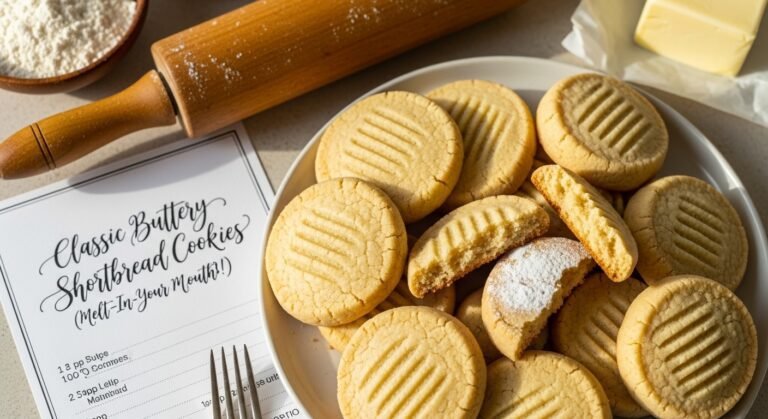
Classic Buttery Shortbread Cookies Recipe (Melt-In-Your-Mouth!)

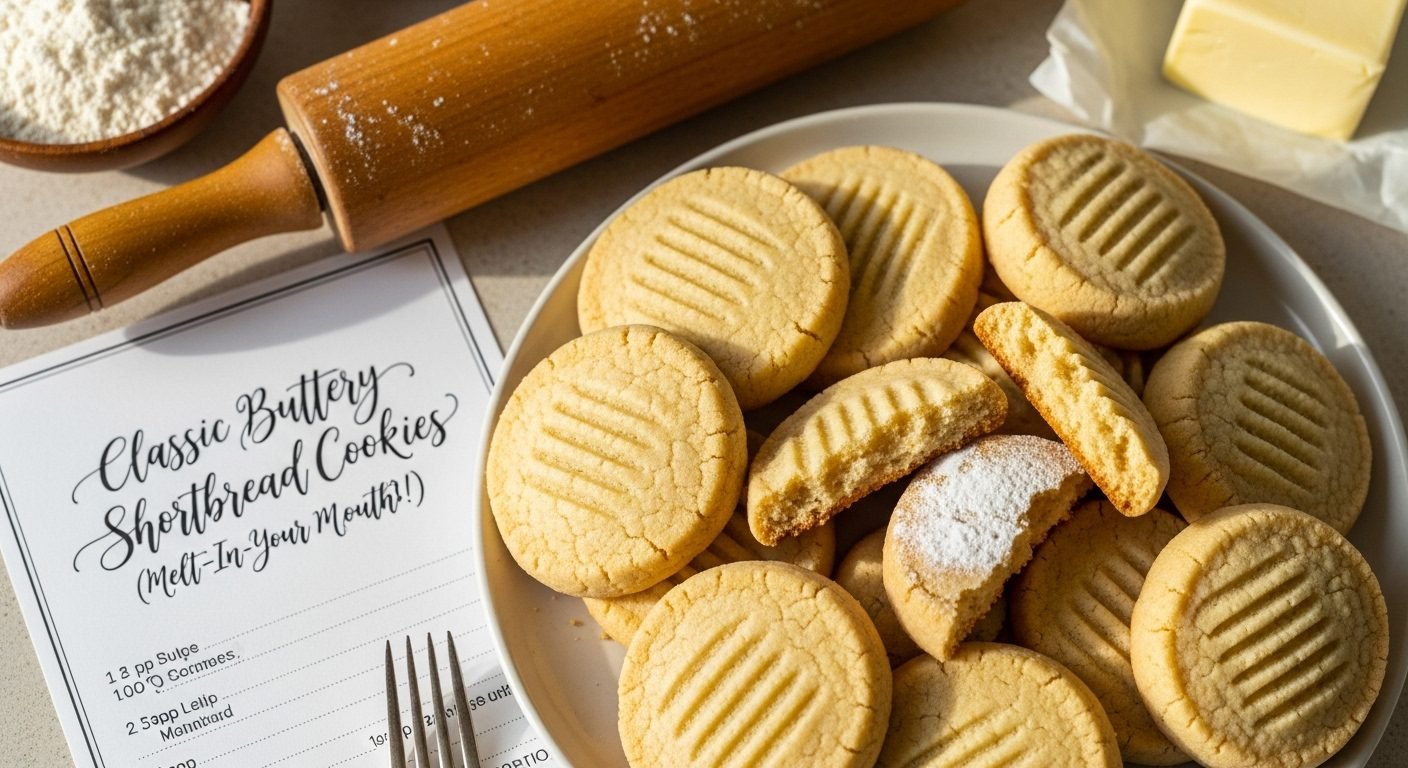
There’s something truly magical about Classic Shortbread Cookies—they’re elegantly simple yet impossibly delicious! These traditional Scottish cookies are made with just three basic ingredients: butter, sugar, and flour. The result? A tender, crumbly, melt-in-your-mouth cookie with rich, buttery flavor that’s absolutely irresistible. The beauty of shortbread lies in its simplicity—no eggs, no leavening agents, no fancy techniques. Just pure, unadulterated butter flavor in every delicate bite.
Shortbread cookies are wonderfully versatile and appropriate for countless occasions. They’re a holiday baking staple, particularly beloved during Christmas and Scottish celebrations like Hogmanay (New Year’s). But honestly, these cookies are too good to reserve just for special occasions! Serve them at afternoon tea parties, package them as elegant homemade gifts, enjoy them with your morning coffee, include them in cookie exchanges, or keep a tin on hand for unexpected guests. Their buttery richness pairs beautifully with tea, coffee, hot chocolate, or dessert wine. Whether you’re honoring Scottish heritage, impressing guests with sophisticated simplicity, or simply indulging in one of the world’s finest butter cookies, these classic shortbread cookies deliver pure satisfaction with every crumbly bite.
History / Background
Shortbread has a fascinating history that dates back to medieval Scotland, making it one of the world’s oldest and most beloved cookies. The story begins in the 12th century with “biscuit bread”—leftover bread dough that was dried out in a low oven until it hardened into a crunchy, twice-baked rusk. Thrifty Scottish bakers discovered that replacing the yeast with butter and adding sugar created something far more delicious than their original leftover bread product.
By the 16th century, shortbread had evolved into the refined delicacy we know today, thanks largely to Mary, Queen of Scots. Queen Mary was reportedly very fond of a particular type of shortbread called “petticoat tails”—thin, crisp shortbread wedges cut into triangular shapes that resembled the bell-hoop petticoats popular during her reign. Her patronage elevated shortbread from peasant food to a luxury item enjoyed by nobility.
The term “shortbread” comes from the word “short,” an old Scottish baking term meaning crumbly or crisp due to the high fat content. The generous amount of butter creates a “short” texture by preventing gluten development in the flour, resulting in that signature tender, crumbly consistency that literally melts in your mouth.
Traditional Scottish shortbread follows a sacred ratio: one part sugar, two parts butter, and three parts flour (1-2-3). This formula has been passed down through generations and remains the gold standard for authentic shortbread. In Scotland, shortbread is traditionally associated with Christmas and Hogmanay (New Year’s Eve), when it’s offered to “first footers”—the first guests to cross the threshold after midnight, bringing good luck for the coming year.
The most famous Scottish shortbread comes from the company Walkers, founded in 1898 by Joseph Walker in Aberlour, Scotland. Their distinctive red tartan packaging made Scottish shortbread famous worldwide. However, homemade shortbread, made with quality butter and baked with care, remains superior to any commercial version.
Today, shortbread is enjoyed globally and has inspired countless variations, but the classic Scottish version—pure, simple, and buttery—remains the most beloved and respected form of this timeless cookie.
Why You’ll Love This Recipe
These Classic Shortbread Cookies are everything a butter cookie should be! They’re deceptively simple yet utterly sophisticated.
Here’s why this recipe deserves to become your go-to shortbread:
- Just 3 Ingredients – Butter, sugar, and flour create cookie magic with minimal shopping
- Melt-in-Your-Mouth Texture – That signature crumbly, tender texture that defines perfect shortbread
- Pure Butter Flavor – No competing flavors, just rich, luxurious butter in every bite
- Beginner-Friendly – Simple mixing method with no complicated techniques
- Elegant Presentation – These look bakery-quality and impressively sophisticated
- Versatile Shapes – Cut into rounds, wedges, fingers, or use cookie cutters for any occasion
- Long Shelf Life – Stays fresh for weeks when stored properly
- Perfect for Gifting – Package beautifully in tins or boxes for impressive homemade gifts
- Budget-Friendly – Simple ingredients make affordable luxury cookies
- No Special Equipment – Just basic baking tools you already own
- Endlessly Customizable – The simple base accepts countless flavor additions
- Crowd-Pleaser – Everyone loves buttery shortbread, from kids to grandparents
- Freezer-Friendly – Both dough and baked cookies freeze perfectly
- Tea Party Perfect – The quintessential cookie for afternoon tea service
Ingredient Notes
The magic of shortbread is in the quality and ratio of your ingredients:
Butter – This is THE star ingredient, so quality matters tremendously! Use unsalted butter with at least 80% butterfat content. European-style butter (like Kerrygold or Plugra) with 82-85% butterfat creates even richer, more flavorful shortbread. The butter must be softened to room temperature for proper creaming. Never substitute margarine—it simply won’t create authentic shortbread flavor or texture.
Powdered Sugar (Confectioners’ Sugar) – Traditional shortbread uses powdered sugar rather than granulated sugar because it dissolves more easily into the butter and creates a more tender, delicate crumb. The cornstarch in powdered sugar also contributes to that signature melt-in-your-mouth texture. Some recipes use granulated sugar, but powdered sugar creates superior results.
All-Purpose Flour – Provides structure while remaining tender due to the high butter content. For even more delicate shortbread, replace 1/4 cup of the flour with cornstarch or rice flour (both traditional in Scottish shortbread). For gluten-free shortbread, use a 1:1 gluten-free flour blend, though the texture will be slightly different.
Salt – Just a pinch enhances the butter flavor and balances the sweetness. Don’t skip it—even though it’s minimal, it makes a noticeable difference.
Vanilla Extract (Optional) – Not traditional in classic Scottish shortbread, but 1 teaspoon adds lovely depth if you enjoy vanilla. Pure vanilla extract only—never imitation.
Cornstarch (Optional but Recommended) – Adding 2-4 tablespoons of cornstarch in place of some flour creates an even more tender, melt-in-your-mouth texture. This is a professional baker’s secret for extra-delicate shortbread.
Equipment Needed
You’ll need just basic tools for these simple cookies:
- Large Mixing Bowl – For creaming butter and sugar
- Electric Mixer or Wooden Spoon – Stand mixer, hand mixer, or strong wooden spoon for mixing (yes, you can make these by hand!)
- Measuring Cups and Spoons – For accurate measurements
- Rubber Spatula – For scraping bowl sides
- Rolling Pin – For rolling dough if making cut-out shapes
- Baking Sheet – One or two standard baking sheets
- Parchment Paper – Essential for easy removal and preventing sticking
- Cookie Cutters or Knife – For shaping your shortbread (round cutters, decorative shapes, or a sharp knife for traditional fingers or wedges)
- Fork – For traditional pricking decoration
- Wire Cooling Rack – For proper cooling
- 9-inch Round Cake Pan or Tart Pan (Optional) – For traditional wedge-shaped shortbread
- Pastry Brush (Optional) – For brushing with egg wash if desired
Print

Shortbread Cookies Recipe
Classic Scottish Shortbread Cookies with just 3 simple ingredients! These tender, buttery cookies melt in your mouth and are perfect for holidays, tea time, or gifting. Traditional recipe with authentic flavor and texture.
- Total Time: 35 minutes (plus cooling)
- Yield: 4 cookies (or 8-12 wedges) 1x
Ingredients
Scale- 1 cup (2 sticks / 226g) unsalted butter, softened to room temperature
- 1/2 cup (60g) powdered sugar (confectioners’ sugar)
- 2 cups (250g) all-purpose flour
- 1/4 teaspoon salt
- 1 teaspoon vanilla extract (optional, not traditional but delicious)
Optional Additions:
- 2 tablespoons cornstarch (replace 2 tablespoons of flour for extra tender texture)
- Extra granulated sugar for sprinkling
Instructions
- Preheat Oven – Preheat your oven to 325°F (160°C). Line a baking sheet with parchment paper or a silicone baking mat. Set aside.
- Cream Butter and Sugar – In a large mixing bowl, cream the softened butter and sugar together using an electric mixer on medium speed (or vigorously by hand with a wooden spoon) for 3-4 minutes until light, fluffy, and pale. This incorporates air and creates tender texture. Scrape down the sides of the bowl as needed.
- Add Vanilla – If using vanilla extract, beat it into the butter mixture until incorporated.
- Add Flour Gradually – With the mixer on low speed (or stirring by hand), gradually add the flour (and salt if using) to the butter mixture. Mix just until the dough comes together and no flour streaks remain. The dough will be soft, slightly crumbly, and very buttery. Don’t overmix or the shortbread will be tough.
- Knead Gently – Turn the dough out onto a clean work surface. Gently knead it 3-4 times just to bring it together into a smooth ball. The warmth of your hands helps bind the dough.
- Shape the Shortbread – Choose your preferred method: Method 1 – Traditional Round: Press the dough into an 8 or 9-inch circle about 1/2 inch thick directly on the prepared baking sheet. Use a knife to score (not cut all the way through) into 8-12 wedges. Prick all over with a fork in a decorative pattern. Crimp the edges with your fingers or a fork for traditional appearance. Method 2 – Shortbread Fingers: Pat the dough into a rectangle about 8×6 inches and 1/2 inch thick on the baking sheet. Use a sharp knife to cut into finger-shaped rectangles (about 1×3 inches each). Separate them slightly. Prick each finger with a fork several times. Method 3 – Cut-Out Cookies: Roll the dough to 1/2 inch thickness between two sheets of parchment paper. Use cookie cutters to cut shapes. Place on baking sheet and prick with a fork.
- Sprinkle with Sugar – Lightly sprinkle the tops with granulated sugar for sparkle and a slight crunch.
- Chill (Optional) – For cleaner cuts and less spreading, refrigerate the shaped shortbread for 15-20 minutes before baking. This step is optional but helpful.
- Bake – Bake for 18-22 minutes until the edges are very lightly golden and the centers look dry and set. The shortbread should remain pale—don’t let it brown significantly or it will taste overdone. The cookies will be very soft when hot.
- Cool on Pan – Let the shortbread cool on the baking sheet for 5 minutes if you made fingers or cut-outs. If you made a large round, immediately re-cut the wedges while still warm (they’ll break if you try after cooling). Then let cool completely on the pan.
- Final Cooling – Once slightly firm (after 10-15 minutes), carefully transfer to a wire rack to cool completely. They will continue to firm up and develop that classic crumbly texture as they cool.
- Store and Enjoy – Once completely cool, store in an airtight container at room temperature for up to 3 weeks. Serve with tea, coffee, or enjoy as is!
Notes
- Quality Butter Matters – Since butter is the star, use the best quality you can afford. European-style butter creates the richest flavor.
- Don’t Overbake – Shortbread should stay pale. Once edges are barely golden, they’re done. They’ll firm up as they cool.
- Soft Dough is Normal – The dough should be soft and buttery. If it seems too soft to work with, chill for 15 minutes.
- Traditional Prick Marks – The fork holes aren’t just decorative—they help steam escape and prevent bubbling during baking.
- Superfine Sugar Upgrade – For the finest texture, use superfine (caster) sugar or pulse regular sugar in a food processor.
- Cutting While Warm – If making a large round, always re-cut the wedges while warm or they’ll shatter when cut after cooling.
- Prep Time: 15 minutes
- Cook Time: 20 minutes
- Category: Desert
- Method: Baking
- Cuisine: Scottish
- Diet: Vegetarian
Nutrition
- Serving Size: 1 cookie (based on 18 cookies)
- Calories: 130
- Sugar: 6g
- Sodium: 35mg
- Fat: 10g
- Saturated Fat: 6g
- Unsaturated Fat: 4g
- Trans Fat: 0g
- Carbohydrates: 10g
- Fiber: 0g
- Protein: 1g
- Cholesterol: 27mg
Tips & Variations
Customize your shortbread while maintaining that classic texture:
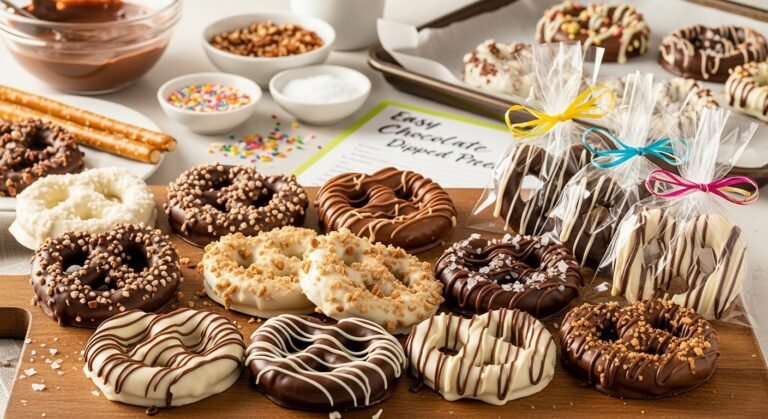
Chocolate-Dipped Shortbread – Dip one end of cooled shortbread in melted dark, milk, or white chocolate. Let set on parchment paper. Elegant and delicious!
Lemon Shortbread – Add 1 tablespoon lemon zest and 1/2 teaspoon lemon extract to the dough for bright, citrusy flavor.
Chocolate Chip Shortbread – Fold in 1/2 cup mini chocolate chips for a modern twist on the classic.
Lavender Shortbread – Add 1 tablespoon dried culinary lavender to the dough for sophisticated, floral notes.
Orange Cardamom Shortbread – Add 1 tablespoon orange zest and 1/2 teaspoon ground cardamom for exotic warmth.
Brown Butter Shortbread – Brown the butter first, let it cool and resolidify slightly, then proceed with the recipe. This adds incredible nutty depth.
Rosemary Shortbread – Add 1 tablespoon finely minced fresh rosemary for a savory-sweet combination that’s stunning with cheese.
Espresso Shortbread – Add 1 tablespoon instant espresso powder to the flour for coffee-lovers.
Almond Shortbread – Replace 1/4 cup flour with almond flour and add 1/2 teaspoon almond extract.
Cornmeal Shortbread – Replace 1/4 cup flour with fine cornmeal for delightful texture and subtle corn flavor.
Millionaire’s Shortbread – Use the shortbread as a base, top with caramel and chocolate for this British favorite.
Gluten-Free Shortbread – Use a 1:1 gluten-free flour blend. No other changes needed!
Vegan Shortbread – Use high-quality vegan butter. The texture won’t be quite as rich but will still be delicious.
Pro Chef Tips
Take your shortbread from homemade to professional bakery-quality:
Tip #1: Temperature is Everything – Room temperature butter (65-68°F) is crucial. Too cold and it won’t cream properly; too warm and your shortbread will spread excessively. The butter should be soft enough to leave an impression when pressed, but still hold its shape.
Tip #2: The Rice Flour Secret – Professional bakers often replace 1/4 cup of all-purpose flour with rice flour. This creates an even more tender, melt-in-your-mouth texture that sets premium shortbread apart. Rice flour has less gluten-forming protein, resulting in supreme tenderness.
Tip #3: Don’t Overmix – Mix just until the dough comes together. Overmixing develops gluten, which creates tough, hard shortbread instead of tender, crumbly perfection. As soon as no flour streaks remain, stop mixing.
Tip #4: The Chill Factor – While not required, chilling shaped shortbread for 15-20 minutes before baking helps maintain clean edges and reduces spreading. This is especially helpful for cut-out shapes and detailed molds.
Tip #5: Low and Slow Baking – Shortbread benefits from gentle baking at a lower temperature. If your shortbread tends to brown too quickly, reduce oven temperature to 300°F and bake slightly longer. The goal is to dry and set the cookies without significant browning.
Tip #6: The Scoring Technique – When making traditional rounds, score your wedges before baking but don’t cut all the way through. After baking, while still warm, re-cut along the score marks with a sharp knife. This prevents cracking that happens if you try to cut cold shortbread.
Tip #7: Superfine Sugar Makes a Difference – Regular granulated sugar can leave a slightly grainy texture. Superfine (caster) sugar dissolves more completely into the butter, creating smoother, more refined shortbread. Make your own by pulsing regular sugar in a food processor for 10 seconds.
Tip #8: The Rest Period – Shortbread actually improves over 24 hours as the butter distributes throughout and the texture becomes more uniform. Don’t judge your shortbread right out of the oven—give it a day to reach its full potential.
Common Mistakes to Avoid
Avoid these pitfalls for perfect shortbread every time:
Mistake #1: Using Salted Butter or Low-Quality Butter – Since shortbread is almost entirely butter, quality matters tremendously. Always use unsalted butter so you can control salt levels, and choose the best butter you can afford. Cheap butter contains more water and less fat, resulting in inferior texture and flavor. European-style butter is worth the investment for shortbread.
Mistake #2: Overbaking – Shortbread should remain pale. Many bakers mistakenly wait for golden-brown cookies, but overbaked shortbread becomes dry, hard, and loses that delicate, tender texture. Remove when edges are barely starting to color and centers look dry but pale.
Mistake #3: Overmixing the Dough – Overworking the dough develops gluten, creating tough, hard cookies instead of tender, crumbly ones. Mix just until ingredients combine, then stop immediately. Handle the dough gently and minimally.
Mistake #4: Rolling Too Thin – Shortbread should be at least 1/2 inch thick, preferably closer to 3/4 inch. Thin shortbread loses that signature tender, crumbly texture and becomes crispy instead. Thicker is better for authentic shortbread.
Mistake #5: Cutting Cold Shortbread – If you’ve baked a large round and try to cut it into wedges after it’s completely cooled, it will shatter. Always re-cut along your score marks while the shortbread is still warm from the oven. This is one of the most common mistakes!
Mistake #6: Not Pricking the Dough – Those traditional fork marks aren’t just decorative—they allow steam to escape during baking. Without them, your shortbread may bubble up or develop an uneven surface.
Mistake #7: Using Too Much Flour – If you add flour to your work surface or hands excessively, you’ll incorporate too much into the dough, making it dry. Use minimal flour for dusting, or better yet, work between sheets of parchment paper.
Storage & Meal Prep
Proper storage keeps shortbread fresh and maintains that perfect texture:
Room Temperature Storage – Store completely cooled shortbread in an airtight container at room temperature for up to 3 weeks. Place parchment paper between layers to prevent sticking. Shortbread actually improves over the first few days as the texture becomes more uniform and flavors develop.
Container Selection – Tin containers are traditional and work beautifully for shortbread storage. They protect from light and air while maintaining just the right humidity level. Glass containers or good-quality plastic containers with tight seals also work well.
Preventing Softening – Shortbread should stay crisp and crumbly. If your environment is humid, add a food-safe silica gel packet to your storage container. Never refrigerate shortbread as the humidity will soften it and diminish texture.
Layering Properly – When stacking shortbread, always use parchment paper or wax paper between layers. This prevents them from sticking together and makes them easier to remove individually.
Reviving Texture – If shortbread loses some of its crispness due to humidity, place cookies on a baking sheet and warm in a 300°F oven for 5-7 minutes. Let cool completely—they’ll be crisp again.
Gift Packaging – Shortbread is one of the best cookies for gifting because it stays fresh so long and is sturdy for shipping. Package in decorative tins lined with parchment paper, wrap individual pieces in cellophane, or arrange in gift boxes with tissue paper. It travels beautifully.
Long-Term Storage – For storage beyond 3 weeks, freezing is recommended. Shortbread stays fresh at room temperature for quite a while, but freezing extends that even further with no quality loss.
Make-Ahead & Freezer Notes
Shortbread is perfect for advance preparation—great for holiday planning!
Freezing Baked Shortbread – Completely cooled shortbread freezes beautifully for up to 3 months with no loss of quality. Wrap individual pieces in plastic wrap, then place in a freezer-safe container or bag with parchment between layers. Thaw at room temperature for 30 minutes before serving. They’ll taste fresh-baked!
Freezing Dough – Unbaked shortbread dough freezes exceptionally well for up to 3 months. Shape it into a disk or log, wrap tightly in plastic wrap, then in aluminum foil. When ready to bake, let thaw in the refrigerator overnight, then bring to room temperature before shaping and baking.
Pre-Shaped Frozen Dough – Cut your shortbread into shapes or fingers, arrange on a parchment-lined baking sheet, and freeze until solid (2 hours). Transfer to a freezer bag. Bake directly from frozen, adding 2-3 minutes to baking time.
Make-Ahead Timeline – Make the dough up to 2 days in advance and refrigerate it tightly wrapped. Let it come to room temperature (30-60 minutes) before shaping—cold dough is difficult to work with.
Holiday Preparation Strategy – Bake shortbread 2-3 weeks before the holidays when you have time. Store in airtight containers. The cookies will stay perfect and actually improve in texture over this time. This spreads out your baking workload beautifully.
Refresh After Freezing – For best results, warm thawed shortbread in a 300°F oven for 3-5 minutes. This restores the fresh-baked texture and aroma perfectly.
Serving Suggestions
Shortbread is wonderfully versatile! Here’s how to serve these elegant cookies:
Traditional Tea Time – The classic way to enjoy shortbread! Serve alongside Earl Grey, English Breakfast, or Darjeeling tea. The buttery richness pairs beautifully with tea’s tannins.
Coffee Pairing – Excellent with black coffee, cappuccino, or espresso. The subtle sweetness and butter complement coffee without overpowering it.
Afternoon Tea Service – Arrange on a tiered stand with scones, finger sandwiches, and petit fours for elegant afternoon tea. This is a traditional British teatime inclusion.
Dessert Wine Pairing – Beautiful with dessert wines like Sauternes, late-harvest Riesling, or tawny Port. The buttery cookie balances the wine’s sweetness perfectly.
With Fresh Berries and Cream – Serve alongside fresh strawberries, raspberries, or blueberries with whipped cream for a simple but elegant dessert.
Ice Cream Accompaniment – Wonderful alongside vanilla bean ice cream, butter pecan, caramel, or strawberry ice cream. Can also be used to make ice cream sandwiches!
Cheese Course Addition – Surprisingly delicious on a cheese board with mild, creamy cheeses like brie, mascarpone, or fresh chèvre. Add honey and fruit preserves.
Breakfast Treat – Not too sweet, making them perfect alongside breakfast with coffee, fruit, and yogurt.
Hot Chocolate Companion – Lovely with thick hot chocolate or hot cocoa during winter months.
Champagne Pairing – Serve with champagne or sparkling wine at celebrations. The butter and bubbles are magical together.
Dessert Plate Base – Use as a base for plated desserts. Place a shortbread round, top with lemon curd and fresh berries, or create layers with mousse.
Gift Presentation – Package in decorative Scottish tartan tins, wrap in cellophane bags with ribbon, or arrange in gift boxes lined with tissue paper. Include a tea bag or small jar of jam for a complete gift set.
FAQs Section
Q: Can I make shortbread without a mixer?
A: Absolutely! Traditional shortbread is often made entirely by hand. Use a wooden spoon to cream the butter and sugar vigorously for 3-4 minutes, then mix in the flour. You can also use your hands to knead everything together—the warmth of your hands helps bind the buttery dough. Many bakers prefer the hand method for its traditional feel.Q: Why is my shortbread hard instead of crumbly and tender?
A: This usually means the dough was overmixed, developing too much gluten. Mix just until the flour is incorporated, then stop immediately. Another cause is overbaking—shortbread should remain pale. Finally, using too much flour (especially when rolling) can create dry, hard cookies. Measure flour by spooning it into cups and leveling off.Q: Can I use salted butter instead of unsalted?
A: While you can technically use salted butter, I strongly recommend unsalted. Salted butter varies in salt content by brand, making it impossible to control the final flavor. Shortbread’s simplicity means every ingredient shines through—too much salt will be noticeable and can overpower the delicate butter flavor.Q: What’s the difference between shortbread and sugar cookies?
A: Shortbread contains only butter, sugar, and flour with no eggs or leavening. This creates a rich, crumbly, melt-in-your-mouth texture. Sugar cookies contain eggs and baking powder/soda, making them lighter, fluffier, and cake-like. Shortbread is much more buttery and dense than sugar cookies.Q: Why did my shortbread spread too much during baking?
A: Excessive spreading usually means your butter was too warm when you mixed the dough, or your kitchen was very hot during shaping. Make sure butter is softened but not melted or greasy. If spreading is a problem, chill the shaped dough for 15-20 minutes before baking. Also ensure your oven temperature is accurate—too low causes spreading.Q: Can I add chocolate chips to shortbread?
A: Yes! Fold in 1/2 to 3/4 cup mini chocolate chips after mixing the dough. However, be aware this makes it less traditional and slightly changes the texture. The chunks interrupt that classic smooth, crumbly texture. Still delicious, just different from authentic shortbread.Q: How thick should I roll shortbread?
A: Shortbread should be at least 1/2 inch thick, preferably closer to 3/4 inch. This thickness is crucial for achieving that perfect tender, crumbly texture. Thinner shortbread becomes too crispy and cookie-like rather than having that signature melt-in-your-mouth quality. Don’t be afraid to keep it thick!Conclusion
And there you have it—everything you need to create authentic, buttery Scottish Shortbread Cookies that would make any grandmother proud! These elegant, simple cookies prove that you don’t need a long ingredient list or complicated techniques to create something truly spectacular. With just butter, sugar, and flour, you can bake cookies that are sophisticated enough for the finest tea party yet comforting enough for an everyday treat.
The beauty of shortbread lies in its timeless simplicity and the way it showcases quality ingredients. Every bite delivers pure butter flavor and that distinctive crumbly texture that literally melts on your tongue. Whether you’re baking them for holiday traditions, creating homemade gifts, serving them at elegant gatherings, or simply keeping your cookie jar stocked with something special, these classic shortbread cookies never disappoint.
I hope this recipe becomes a treasured part of your baking repertoire, one you turn to year after year and perhaps pass down to future generations. There’s something magical about continuing a tradition that dates back centuries, and every time you make these cookies, you’re connecting with generations of Scottish bakers who perfected this simple, perfect treat.
Happy baking, and may your shortbread always be buttery, crumbly, and absolutely delicious! 🏴🍪✨