The Perfect Paloma Recipe – Refreshing, Citrusy & Authentic Mexican Cocktail
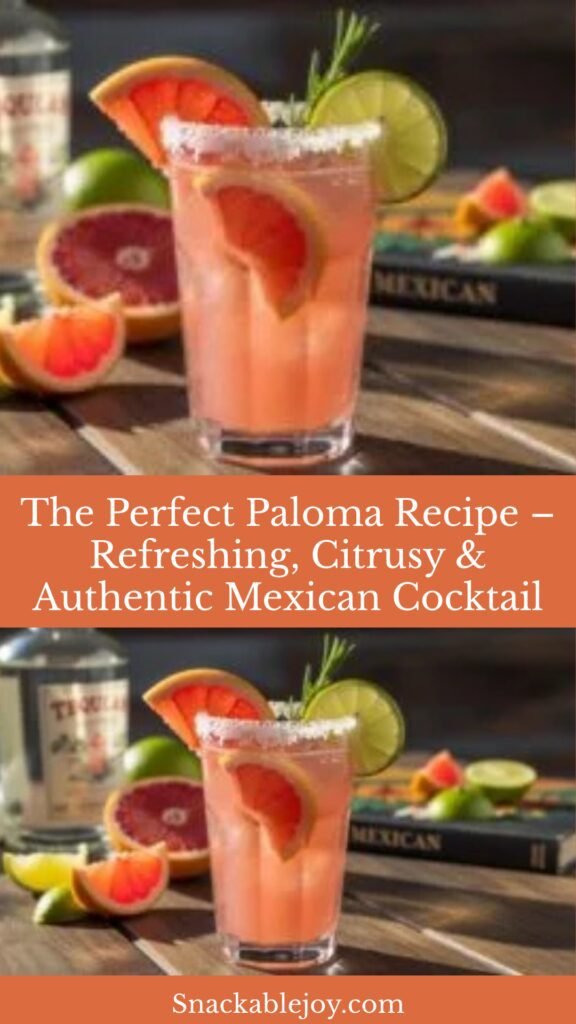
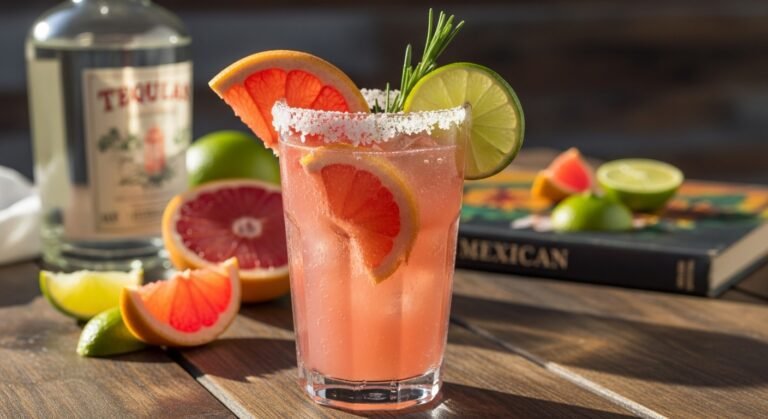
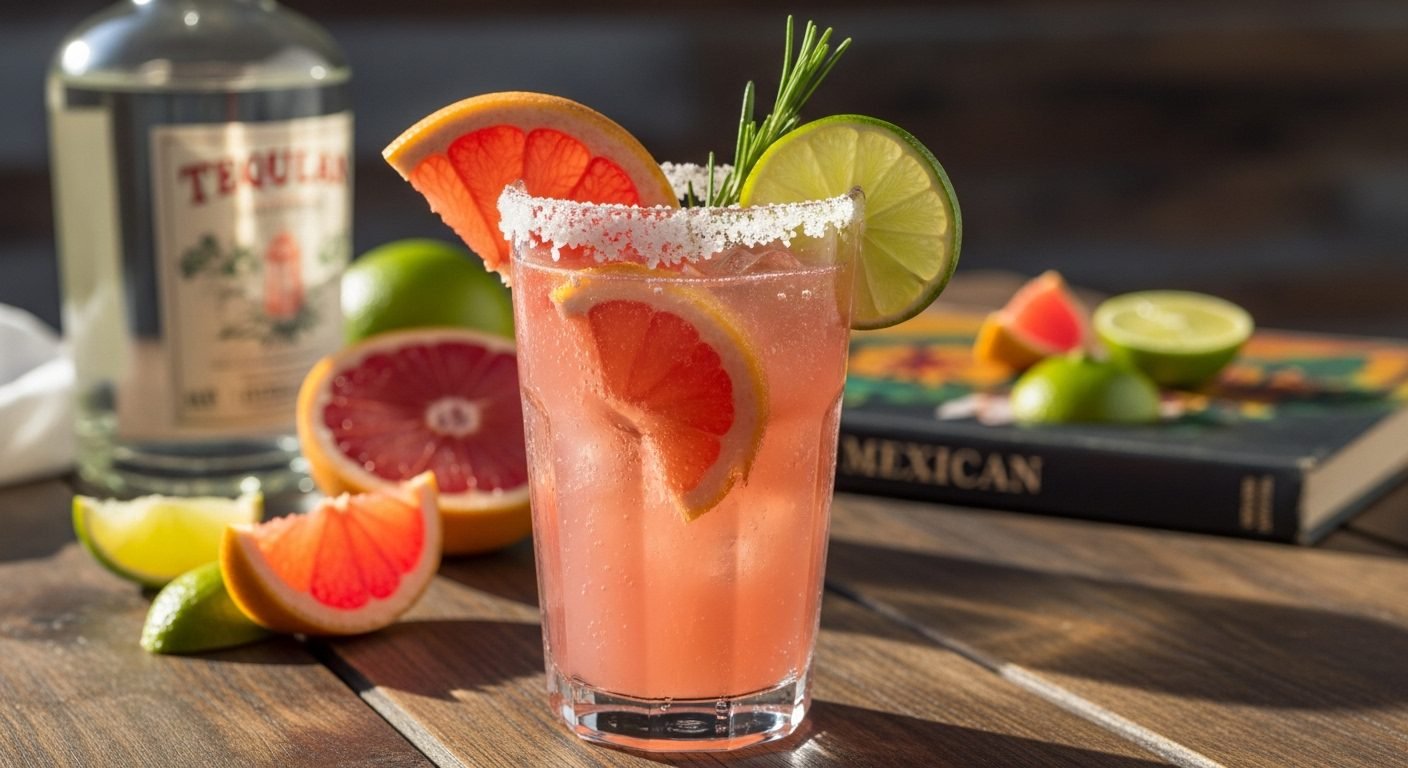
The Paloma is Mexico’s most beloved cocktail, a refreshingly simple combination of tequila, grapefruit, lime, and a splash of fizz that’s even more popular than the margarita in its home country. This bright, citrusy drink perfectly balances tart grapefruit with quality tequila, a squeeze of fresh lime, and bubbly grapefruit soda or club soda, all served over ice with a salted rim. The result is a cocktail that’s incredibly refreshing, dangerously drinkable, and absolutely perfect for warm weather.
The Paloma (which means “dove” in Spanish) is the ultimate crowd-pleaser—it’s easy enough for cocktail beginners yet sophisticated enough to impress serious tequila lovers. Serve it at summer barbecues, Taco Tuesday gatherings, pool parties, or any time you want a refreshing drink that transports you straight to a sunny Mexican beach. Unlike margaritas that require careful balancing of multiple ingredients, the Paloma is wonderfully forgiving and comes together in just minutes. It’s the kind of cocktail that makes you want to sit outside, relax with friends, and enjoy the sunshine.
History / Background
The Paloma’s origins are somewhat mysterious, with several competing stories about its creation. Unlike many cocktails with well-documented histories, the Paloma seems to have emerged organically from Mexican drinking culture rather than being invented by a single bartender at a specific moment.
The most popular origin story credits Don Javier Delgado Corona, owner and bartender at La Capilla in Tequila, Jalisco (the town that gives tequila its name), with creating the drink sometime in the 1950s. La Capilla is a legendary bar that’s still operating today, and locals swear the Paloma was born there. However, there’s no written documentation to definitively prove this claim, and Don Javier himself never publicly took credit for the invention.
What we do know is that the Paloma rose to prominence in Mexico during the mid-20th century, coinciding with the increased availability of grapefruit soda. Jarritos Toronja (grapefruit-flavored soda) launched in 1950, and Squirt (another grapefruit soda) became widely available in Mexico around the same time. These sodas made it incredibly easy for home bartenders and cantina owners to create refreshing tequila cocktails without needing fresh citrus juice or complicated mixing.
The name “Paloma” (dove) adds to the cocktail’s romantic mystery. Some believe it was named after a popular Mexican folk song called “La Paloma,” one of the most widely covered songs in history. Others suggest it references the light, refreshing nature of the drink—as graceful and pleasant as a dove. The true etymology remains unclear, adding to the cocktail’s charm.
What’s fascinating is that while the Paloma is relatively unknown outside of Mexico and the American Southwest, it’s absolutely ubiquitous within Mexico. Walk into virtually any cantina, restaurant, or home in Mexico, and you’ll find people enjoying Palomas, especially during hot weather. It’s estimated that Palomas account for a significant portion of tequila consumption in Mexico, far surpassing margaritas.
The cocktail’s popularity in Mexico can be attributed to several factors: it’s incredibly easy to make, the ingredients are inexpensive and widely available, it’s less sweet than many other tequila cocktails, and it truly refreshes on hot days. The Paloma represents authentic Mexican drinking culture—unpretentious, social, and focused on simple pleasures.
In recent years, the Paloma has finally gained international recognition as craft cocktail culture has embraced more authentic Mexican drinks. Bartenders worldwide now create elevated versions using fresh grapefruit juice, quality tequila, and artisanal touches, though the simple, traditional version remains beloved in its homeland.
Why You’ll Love This Recipe
This authentic Paloma recipe strikes the perfect balance between tradition and quality, giving you a cocktail that tastes like it came from a Mexican cantina but with the refinement of fresh ingredients. You can make it the easy, traditional way with grapefruit soda, or elevate it with fresh-squeezed grapefruit juice and club soda—both versions are absolutely delicious and wonderfully refreshing.
Here’s why this Paloma will become your new favorite cocktail:
- Incredibly Easy – Mix together in under 3 minutes with minimal effort or equipment
- More Refreshing Than a Margarita – The grapefruit and fizz make it lighter and more sessionable
- Flexible & Forgiving – Hard to mess up and easy to adjust to your taste preferences
- Budget-Friendly – Less expensive than margaritas (no triple sec needed)
- Perfect for Crowds – Scales beautifully for parties and gatherings
- Authentically Mexican – The real deal, not a tourist version
- Less Sweet Than Most Cocktails – Appeals to people who don’t like overly sugary drinks
- Showcases Good Tequila – Lets quality tequila shine without masking it
- Year-Round Appeal – Refreshing in summer, bright and uplifting in winter
- Sophisticated Yet Simple – Impressive without being complicated
Ingredient Notes
The beauty of the Paloma lies in its simplicity, but quality ingredients make a noticeable difference in the final drink.
Tequila (Blanco or Reposado) – This is your base spirit, so choose wisely. Blanco (silver) tequila is traditional for Palomas—it’s unaged, crystal clear, and has bright, pure agave flavor with citrus and pepper notes. Excellent blanco options include Espolòn, Cimarron, Olmeca Altos, or El Jimador. Reposado (rested) tequila is aged 2-12 months in oak barrels, giving it a golden color and subtle vanilla and caramel notes that add complexity. Try Herradura or Cazadores reposado for delicious results. Use 100% agave tequila—avoid “mixto” tequilas that contain added sugars and other spirits. You don’t need ultra-premium tequila here, but mid-range quality ($25-40) makes a big difference. Save the expensive stuff for sipping neat.
Fresh Grapefruit – You have two options here, both excellent. For the traditional easy version, use grapefruit soda like Jarritos Toronja, Squirt, or Fresca. These provide grapefruit flavor, sweetness, and carbonation all in one. For a more refined, bartender-style Paloma, use fresh-squeezed grapefruit juice (about half a large grapefruit per drink) plus club soda for fizz, and add a touch of agave syrup for sweetness. Fresh grapefruit creates a brighter, more complex flavor. Ruby red and pink grapefruits are sweeter and less bitter than white grapefruits.
Fresh Lime Juice – Absolutely essential and non-negotiable. Fresh-squeezed lime juice provides the tart brightness that makes the Paloma sing. You’ll need about half a lime per drink. Bottled lime juice tastes flat and artificial and will ruin your cocktail. Room temperature limes yield more juice than cold ones, so leave them on the counter before juicing.
Sweetener (Agave Nectar or Simple Syrup) – Only needed if using fresh grapefruit juice instead of grapefruit soda. Agave nectar is traditional and complements tequila beautifully since both come from agave plants. It dissolves easily and adds a subtle, complex sweetness. Simple syrup (equal parts sugar and water) works too. Start with ½ oz and adjust to taste.
Club Soda or Sparkling Water – Adds refreshing fizz when using fresh grapefruit juice. Plain unflavored club soda or sparkling water works perfectly. Topo Chico is especially popular in Mexico for cocktails.
Salt for Rimming – Coarse salt or flaky sea salt is best for rimming the glass. Some people use a blend of salt and Tajín (Mexican chili-lime seasoning) for extra flavor. The salt rim isn’t just decorative—it enhances the grapefruit flavor and balances the drink’s tartness.
Ice – Large ice cubes are best as they melt slowly and don’t over-dilute the drink. Standard ice cubes work fine too.
Equipment Needed
The Paloma is wonderfully low-maintenance and doesn’t require fancy bar equipment:
- Highball Glass or Rocks Glass – For serving (12-16 oz capacity)
- Citrus Juicer – For squeezing lime (and grapefruit if using fresh juice)
- Jigger or Measuring Cup – For measuring tequila and other liquids
- Small Plate – For salt rim preparation
- Sharp Knife – For cutting lime wedges
- Bar Spoon or Regular Spoon – For stirring
- Optional: Citrus Reamer – Makes juicing easier if making multiple drinks
Print

Paloma Recipe
This authentic Paloma cocktail combines 100% agave tequila with bright grapefruit, fresh lime juice, and a splash of fizz, served over ice with a salted rim. It’s Mexico’s most popular cocktail and more refreshing than a margarita!
- Total Time: 3 minutes
- Yield: 1 cocktail 1x
Ingredients
ScaleTraditional Easy Version (with Grapefruit Soda):
- 2 oz tequila blanco or reposado (60 ml), preferably 100% agave
- ½ oz fresh lime juice (15 ml, about ½ lime)
- 4-5 oz grapefruit soda (120-150 ml) such as Jarritos, Squirt, or Fresca
- Ice cubes
- Coarse salt for rim
- Lime wedge for garnish
- Optional: Tajín seasoning mixed with salt for rim
Fresh Grapefruit Version (Bartender-Style):
- 2 oz tequila blanco or reposado (60 ml)
- 2 oz fresh grapefruit juice (60 ml, about ½ large grapefruit)
- ½ oz fresh lime juice (15 ml)
- ½ oz agave nectar or simple syrup (15 ml)
- 2-3 oz club soda or sparkling water (60-90 ml)
- Ice cubes
- Coarse salt for rim
- Grapefruit wedge and lime wedge for garnish
Instructions
- Prepare the Salt Rim – Run a lime wedge around the rim of your highball or rocks glass, getting it nicely moistened. Pour coarse salt (or a salt-Tajín mixture) onto a small plate. Dip the moistened rim into the salt, rotating to coat evenly. Don’t salt the entire rim if you prefer options while drinking—salting just half the rim is perfectly acceptable.
- Fill Glass with Ice – Fill your prepared glass with ice cubes. Large cubes are ideal but standard ice works great.
For Traditional Version with Grapefruit Soda:
- Add Tequila and Lime – Pour 2 oz tequila directly into the ice-filled glass. Add ½ oz fresh-squeezed lime juice.
- Top with Grapefruit Soda – Pour 4-5 oz of grapefruit soda (Jarritos, Squirt, or Fresca) over the tequila and lime. Pour gently to preserve the carbonation.
- Stir Gently – Give the drink a gentle stir with a bar spoon or straw, just 2-3 times to integrate the ingredients without losing too much fizz.
- Garnish and Serve – Add a lime wedge on the rim and serve immediately with a straw or stirrer.
For Fresh Grapefruit Version:
- Combine Tequila, Juices, and Sweetener – In your ice-filled glass, add 2 oz tequila, 2 oz fresh grapefruit juice, ½ oz fresh lime juice, and ½ oz agave nectar.
- Stir to Combine – Stir well for 5-10 seconds to mix all the ingredients and dissolve the agave nectar.
- Top with Club Soda – Add 2-3 oz of club soda or sparkling water to fill the glass. Pour gently to preserve bubbles.
- Stir Once More – Give one final gentle stir to integrate the club soda.
- Garnish and Serve – Add a grapefruit wedge and lime wedge to the rim of the glass. Serve immediately.
Notes
Tequila Selection: Always use 100% agave tequila for the best flavor. Check the label—it should explicitly say “100% agave.” Mixto tequilas (which contain other spirits and additives) will create an inferior drink and can cause worse hangovers.
Sweetness Adjustment: The traditional version with grapefruit soda is sweeter. The fresh juice version is more tart and sophisticated—adjust the agave nectar from ¼ oz to ¾ oz depending on your grapefruit’s sweetness and your preferences. Taste before adding the club soda and adjust.
Grapefruit Soda Choice: Jarritos Toronja is most authentic and widely available in Mexican grocery stores. Squirt is sweeter and more commonly found in mainstream supermarkets. Fresca is the lightest and least sweet option. All work beautifully.
Salt Rim Optional: While traditional, the salt rim is optional. Some people prefer their Palomas without it. You can also do a half-rim (salt on just one side) so you can choose whether to taste salt with each sip.
Building vs. Shaking: Palomas are traditionally built directly in the glass rather than shaken. This preserves carbonation and keeps the drink light and refreshing. Shaking is unnecessary and will flatten the fizz.
- Prep Time: 3 minutes
- Cook Time: 0 minutes
- Category: Cocktail, Drinks
- Method: Built, Stirred
- Cuisine: Mexican
- Diet: Gluten Free
Nutrition
- Serving Size: 1 cocktail (approximately 8 oz)
- Calories: 165 (traditional version), 155 (fresh version)
- Sugar: 14g (traditional), 11g (fresh)
- Sodium: 45mg (with salted rim, varies)
- Fat: 0g
- Saturated Fat: 0g
- Unsaturated Fat: 0g
- Trans Fat: 0g
- Carbohydrates: 15g
- Fiber: 0g
- Protein: 0g
- Cholesterol: 0mg
Tips & Variations
Spicy Paloma (Paloma Picante): Add 2-3 slices of fresh jalapeño to the glass before adding ice, or muddle them gently. You can also rim the glass with Tajín or chili-lime salt instead of plain salt. Some people add a dash of hot sauce for extra heat.
Rosemary Paloma: Add a sprig of fresh rosemary to the glass and give it a gentle slap to release aromatics. The herbal notes complement grapefruit beautifully. You can also use rosemary-infused simple syrup.
Cucumber Paloma: Add 3-4 thin cucumber slices to the glass before ice. The cooling cucumber enhances the refreshing quality. Muddle gently if you want more cucumber flavor.
Blood Orange Paloma: During winter when blood oranges are in season, substitute blood orange juice for half the grapefruit juice. Creates a stunning crimson color and adds complexity.
Mezcal Paloma: Replace tequila with mezcal for a smokier, more complex version. Reduce the amount slightly (1½ oz) as mezcal is more assertive. This creates a completely different but delicious experience.
Ginger Paloma: Add ½ oz fresh ginger juice or swap the club soda for ginger beer. The spicy ginger notes complement tequila wonderfully.
Tropical Paloma: Add ½ oz pineapple juice along with the grapefruit for a more tropical flavor profile.
Skinny Paloma: Use fresh grapefruit juice, skip the agave nectar entirely, and top with sparkling water. Add a tiny pinch of salt directly to the drink to enhance flavors. This reduces calories and sugar significantly.
Frozen Paloma: Blend all ingredients with 1 cup of ice for a slushy version perfect for poolside. Adjust liquid amounts slightly to account for ice.
Batched Palomas: For parties, multiply the tequila, lime juice, and grapefruit juice (or plan to add soda per serving). Keep the mixture refrigerated, then build individual drinks with ice and soda as guests arrive.
Pro Chef Tips
Fresh Juice Makes All the Difference: Even if you use grapefruit soda (which is completely authentic), always use fresh-squeezed lime juice. This single ingredient makes the difference between an okay Paloma and an outstanding one. Fresh lime juice adds brightness and complexity that bottled juice simply cannot match. Juice your limes just before making drinks for maximum freshness and flavor.
Salt Enhancement Technique: Professional bartenders know that salt doesn’t just garnish—it’s a flavor enhancer. The salt rim actually makes grapefruit taste sweeter and more complex by suppressing bitterness and enhancing other flavors. If you’re not a fan of licking salt, try a half-rim so you can choose to sip with or without salt. The salt transforms the entire drinking experience.
The Right Grapefruit Matters: If using fresh grapefruit juice, pink or ruby red grapefruits are preferable to white grapefruits. They’re sweeter, less bitter, and have a more appealing color. Texas Ruby Reds are especially prized. Taste your grapefruit juice before building the drink—if it’s very tart, you’ll need more sweetener. If it’s very sweet, you may need less.
Temperature Control: Palomas should be ice-cold. Use plenty of ice and don’t let it sit around melting before you drink it. If making multiple Palomas, keep your tequila and juices refrigerated so you start with cold ingredients. Cold ingredients plus lots of ice equals a perfectly refreshing drink that stays cold longer.
The Gentle Pour for Bubbles: When adding grapefruit soda or club soda, pour slowly and from close to the glass surface. This preserves carbonation and prevents excessive fizzing. Aggressive pouring or pouring from height causes the drink to go flat quickly. You want those refreshing bubbles to last through the entire drink.
Quality Tequila Isn’t Negotiable: The Paloma showcases tequila in a way that margaritas don’t, so quality matters. Bad tequila creates a harsh, medicinal drink. Good 100% agave tequila creates a smooth, delicious cocktail with complex agave flavor. You don’t need expensive tequila, but you do need real, quality tequila. Check the label for “100% agave”—if it doesn’t say that, don’t buy it.
Stir, Don’t Shake: Unlike margaritas, Palomas are built directly in the glass with minimal stirring. This keeps the carbonation intact and maintains the drink’s light, refreshing character. Over-stirring or shaking flattens the drink. A gentle 2-3 stirs is sufficient to integrate ingredients while preserving those essential bubbles.
Common Mistakes to Avoid
Using Bottled Lime Juice: This is the fastest way to ruin a Paloma. Bottled lime juice tastes flat, artificial, and slightly bitter. It completely destroys the bright, fresh quality that makes Palomas special. Fresh limes are inexpensive and take just 30 seconds to juice. Always use fresh lime juice—there are no shortcuts here. This single change will elevate your Palomas from mediocre to exceptional.
Over-Pouring the Tequila: While it’s tempting to add extra alcohol, over-pouring throws off the carefully balanced ratios and creates a harsh, boozy drink that masks the grapefruit and lime. Stick to the 2 oz standard. The Paloma is designed to be refreshing and balanced, not a way to get drunk quickly. If you want a stronger drink, it’s better to use higher-proof tequila than to add more volume.
Using Non-100% Agave Tequila: Mixto tequilas (made with less than 100% agave) contain added sugars, colorings, and sometimes other spirits. They taste harsh, create worse hangovers, and produce inferior cocktails. Always check the label for “100% agave” or “100% puro de agave.” Quality tequila makes all the difference. The extra few dollars per bottle is worth it for drinks that taste clean and cause fewer morning regrets.
Adding Too Much Ice or Too Little Ice: Too much ice makes the drink watery as it melts, while too little ice means the drink warms quickly and isn’t refreshing. Fill your glass about two-thirds to three-quarters full with ice—enough to keep the drink cold without having so much that it displaces too much liquid or melts excessively. Use larger ice cubes when possible as they melt more slowly.
Forgetting to Taste Before Serving: Grapefruits vary dramatically in sweetness and tartness. A Paloma made with very tart grapefruit needs more sweetener, while one made with sweet grapefruit may need less. Always taste your drink before adding the club soda (when using fresh juice) or before serving (when using soda). This five-second step ensures your Paloma is perfectly balanced every time. You can always add more sweetener, lime, or soda to adjust.
Storage & Meal Prep
Fresh Lime Juice Storage: Fresh-squeezed lime juice is best used immediately but can be stored in an airtight container in the refrigerator for up to 4 hours while maintaining good flavor. After that, it begins to oxidize and lose its bright, fresh character. For longer storage, you can freeze lime juice in ice cube trays for up to 3 months. Thaw before using, though fresh-never-frozen is always superior.
Fresh Grapefruit Juice Storage: Fresh grapefruit juice keeps better than lime juice and can be refrigerated in an airtight container for up to 24 hours. However, it’s still best used within a few hours of juicing for maximum freshness and flavor. Like lime juice, it can be frozen for up to 3 months if needed.
Prepared Palomas Don’t Store: Mixed Palomas do not store well and should always be made fresh. The carbonation dissipates, the ice melts and dilutes the drink, and the fresh lime juice oxidizes. Never make Palomas more than a few minutes before serving. They take only 3 minutes to mix, so make them to order or in small batches as needed.
Tequila Storage: Tequila is shelf-stable and doesn’t require refrigeration. Store it at room temperature in a cool, dark place with the cap tightly sealed. Opened bottles of tequila maintain quality for years if stored properly. Unlike wine or vermouth, tequila doesn’t oxidize quickly, so don’t worry about finishing bottles within a certain timeframe.
Grapefruit Soda Storage: Unopened grapefruit soda stores at room temperature indefinitely. Once opened, refrigerate and use within 3-4 days while carbonation is still strong. Flat soda makes flat Palomas, so only open what you’ll use relatively soon.
Make-Ahead & Freezer Notes
Pre-Batch the Base: For parties, you can partially prepare Palomas ahead. If using the fresh grapefruit version, combine the tequila, fresh grapefruit juice, fresh lime juice, and agave nectar in a bottle or pitcher (multiply the recipe by your guest count). Refrigerate this mixture for up to 4 hours. When ready to serve, add ice to glasses, pour 4-5 oz of the mixture over ice, and top with club soda. This dramatically speeds up service while maintaining quality.
Pre-Juice Your Citrus: For events, juice all your limes and grapefruits 2-4 hours before the party and store the juices separately in the refrigerator. This saves enormous time during service. Keep them in labeled containers so you don’t mix them up.
Pre-Prepare Salt Rims: You can rim glasses 1-2 hours ahead and set them aside. Don’t fill with ice until right before serving, but having the rims done saves time. Place prepared glasses upside down on a clean surface to keep them sanitary.
Ice Prep: If you’re using large format ice cubes, make them the day before so your freezer has plenty ready. For parties, consider purchasing a large bag of ice to ensure you don’t run out mid-event.
Frozen Grapefruit Juice: Fresh grapefruit juice can be frozen in ice cube trays for up to 3 months. Standard ice cube trays typically hold about 1 oz per well, making measuring easy. Thaw cubes in the refrigerator before using. While frozen juice isn’t quite as bright as fresh, it’s vastly better than not having grapefruit available.
Not Suitable for Complete Pre-Mixing: You cannot make fully prepared Palomas ahead of time because the carbonation dissipates and the ice melts. Always build these drinks fresh, though you can prep components ahead as described above to speed service.
Serving Suggestions
The Paloma is the perfect cocktail for Mexican cuisine and summer entertaining. Its bright, refreshing character complements bold flavors without overwhelming them.
Perfect Food Pairings:
Palomas pair beautifully with Mexican and Tex-Mex food. The grapefruit’s tartness and the drink’s carbonation cut through rich, spicy, and fatty foods while complementing bold flavors. Excellent pairings include tacos (especially fish tacos, carnitas, or carne asada), fresh ceviche, guacamole and chips, quesadillas, enchiladas, tamales, elote (Mexican street corn), chiles rellenos, and fajitas.
The Paloma also works wonderfully with grilled foods—think barbecued chicken, grilled fish, shrimp skewers, or carne asada. The smoky char complements the drink’s citrus profile perfectly.
For lighter fare, try Palomas with fresh salads, especially those featuring citrus or avocado. They also pair well with seafood like grilled shrimp, oysters, or ceviche.
Occasion Ideas:
- Taco Tuesday: The obvious pairing—Palomas and tacos are a match made in heaven
- Cinco de Mayo: Celebrate with authentic Mexican cocktails
- Summer Barbecues: Refreshing alternative to beer that pairs with grilled foods
- Pool Parties: Light, refreshing, and perfect for hot weather
- Beach Days: Bright and citrusy, transports you to a tropical paradise
- Brunch Gatherings: Excellent daytime drinking alternative to mimosas
- Game Day: Easy to batch and serve to crowds watching sports
- Outdoor Weddings: Sophisticated yet approachable for mixed crowds
Serving Style:
Serve Palomas in tall highball glasses (12-16 oz) over plenty of ice, garnished with lime or grapefruit wedges. For a more casual presentation, serve in rocks glasses. Some restaurants serve them in clay cups or copper mugs for visual appeal.
Provide straws or stirrers so guests can mix and sip comfortably. If hosting a party, consider setting up a Paloma bar where guests can build their own drinks with various options—different sodas, fresh juice, Tajín salt, regular salt, jalapeños for spice, and multiple garnishes.
FAQs Section
What’s the difference between a Paloma and a margarita?
While both are tequila-based Mexican cocktails, they’re quite different. Margaritas combine tequila with lime juice and orange liqueur (triple sec or Cointreau), creating a sweet-tart flavor with citrus complexity. They’re typically shaken and served up or on the rocks. Palomas use tequila with grapefruit (either juice or soda) and lime, creating a lighter, more refreshing drink with a bitter-sweet profile. Palomas are built in the glass and always include carbonation. In Mexico, Palomas are far more popular than margaritas and are considered more authentic to everyday Mexican drinking culture.
Can I use a different type of tequila?
Absolutely! Both blanco (silver) and reposado (rested) tequilas work beautifully in Palomas. Blanco is traditional—it’s unaged with bright, pure agave flavor and peppery citrus notes. Reposado is aged 2-12 months in oak barrels, developing golden color and subtle vanilla, caramel, and oak notes that add complexity. Some people even use añejo (aged 1-3 years), though its complexity can be masked by the grapefruit. Mezcal also works wonderfully, creating a smokier variation. Just make sure whatever you use is 100% agave—never use mixto tequilas.
Should I use grapefruit soda or fresh grapefruit juice?
Both versions are authentic and delicious, just different. The traditional Mexican way uses grapefruit soda (Jarritos, Squirt, Fresca), which is easier, more convenient, and provides sweetness and carbonation in one ingredient. This version is sweeter and more approachable. The bartender-style version uses fresh grapefruit juice, agave nectar, and club soda for a more refined, complex drink that’s less sweet and showcases the grapefruit more prominently. Try both and see which you prefer! For parties, the soda version is easier; for impressing guests, the fresh juice version is more sophisticated.
Why does my Paloma taste bitter?
Grapefruit naturally contains some bitterness, which is part of the drink’s appeal, but excessive bitterness usually means one of several things. First, you might be using white grapefruit, which is more bitter than pink or ruby red varieties—switch to sweeter grapefruits. Second, you might have included too much of the bitter white pith when juicing—juice carefully to avoid this. Third, you might not have enough sweetener—add a bit more agave or simple syrup. Fourth, your tequila might be low-quality or mixto—always use 100% agave tequila. Finally, the salt rim actually helps suppress bitterness, so make sure you’re using one!
Can I make a large batch for a party?
Yes, but with some limitations. You can batch the non-carbonated ingredients—multiply the tequila, lime juice, and grapefruit juice (if using fresh) by your guest count, combine in a pitcher, and refrigerate for up to 4 hours. When ready to serve, build individual drinks by pouring the mixture over ice and topping with grapefruit soda or club soda. Never add the carbonated components ahead of time—they’ll go flat. Also keep the ice separate until serving. This method lets you prep ahead while ensuring each Paloma is fresh and bubbly.
Do I have to salt the rim?
No, the salt rim is traditional but completely optional. Some people love it because salt enhances grapefruit flavor and balances bitterness, while others find it too salty or prefer a cleaner drink. A good compromise is a half-rim—salt only one side of the glass so you can choose whether to sip through the salt or not. You can also try a Tajín rim (chili-lime seasoning) for a spicy-salty twist, or skip the rim entirely. The drink is delicious either way!
What’s the best grapefruit soda to use?
All three popular options work well but taste slightly different. Jarritos Toronja is most authentic—it’s Mexican, has natural grapefruit flavor, and is widely available in Mexican grocery stores and many supermarkets. It’s moderately sweet with good grapefruit flavor. Squirt is sweeter and more readily available in mainstream American grocery stores—it creates a sweeter Paloma that’s very approachable. Fresca is the lightest and least sweet option with a more subtle grapefruit flavor—perfect if you prefer less sweet cocktails. Try all three and see which you prefer! You can’t go wrong with any of them.
Conclusion
The Paloma is one of those rare cocktails that’s both ridiculously simple and absolutely delicious. With just a few quality ingredients and three minutes of effort, you can create a refreshing, sophisticated drink that rivals anything you’d order at a high-end bar. Whether you make it the traditional way with grapefruit soda or elevate it with fresh-squeezed juice, you’re treating yourself to Mexico’s favorite cocktail—a drink that’s been perfected over decades of hot afternoons and festive gatherings.
The beauty of the Paloma lies in its honesty and simplicity. There are no complicated techniques to master, no expensive specialty ingredients to track down, just pure refreshment that celebrates quality tequila and bright citrus. It’s the kind of drink that makes you slow down, relax, and enjoy the moment—whether you’re hosting a backyard taco party, cooling down on a hot summer day, or simply want a taste of authentic Mexican culture.
So grab your favorite tequila, pick up some fresh limes and grapefruit (or your favorite grapefruit soda), and mix yourself an authentic Paloma. Take that first sip—tart grapefruit, bright lime, smooth tequila, refreshing bubbles—and you’ll understand why this is Mexico’s most beloved cocktail. It’s not just a drink; it’s liquid sunshine in a glass. Here’s to simple pleasures, good tequila, and the perfect Paloma. ¡Salud!