Dreamy Lavender Latte Recipe (Café-Style at Home!)
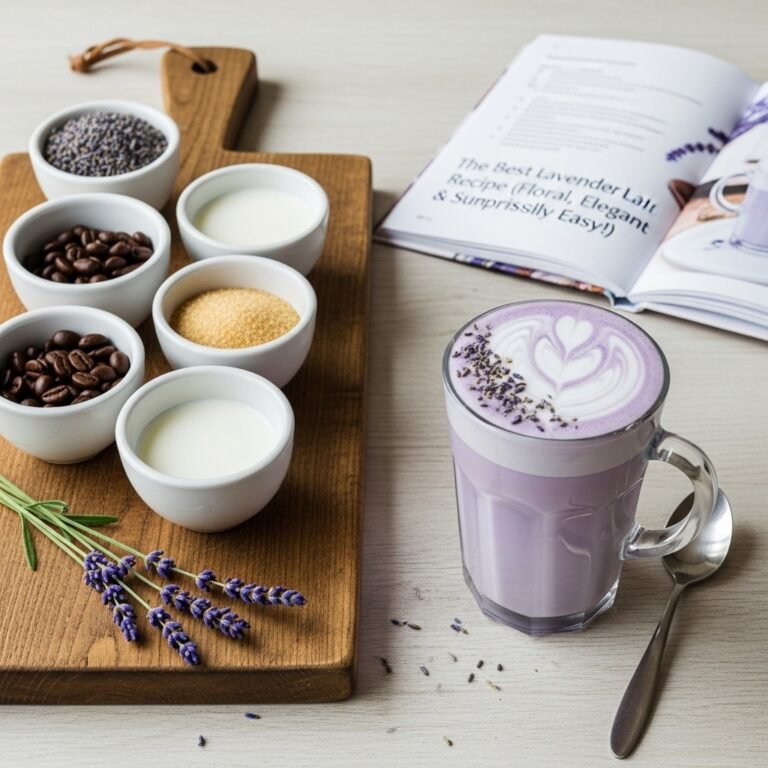
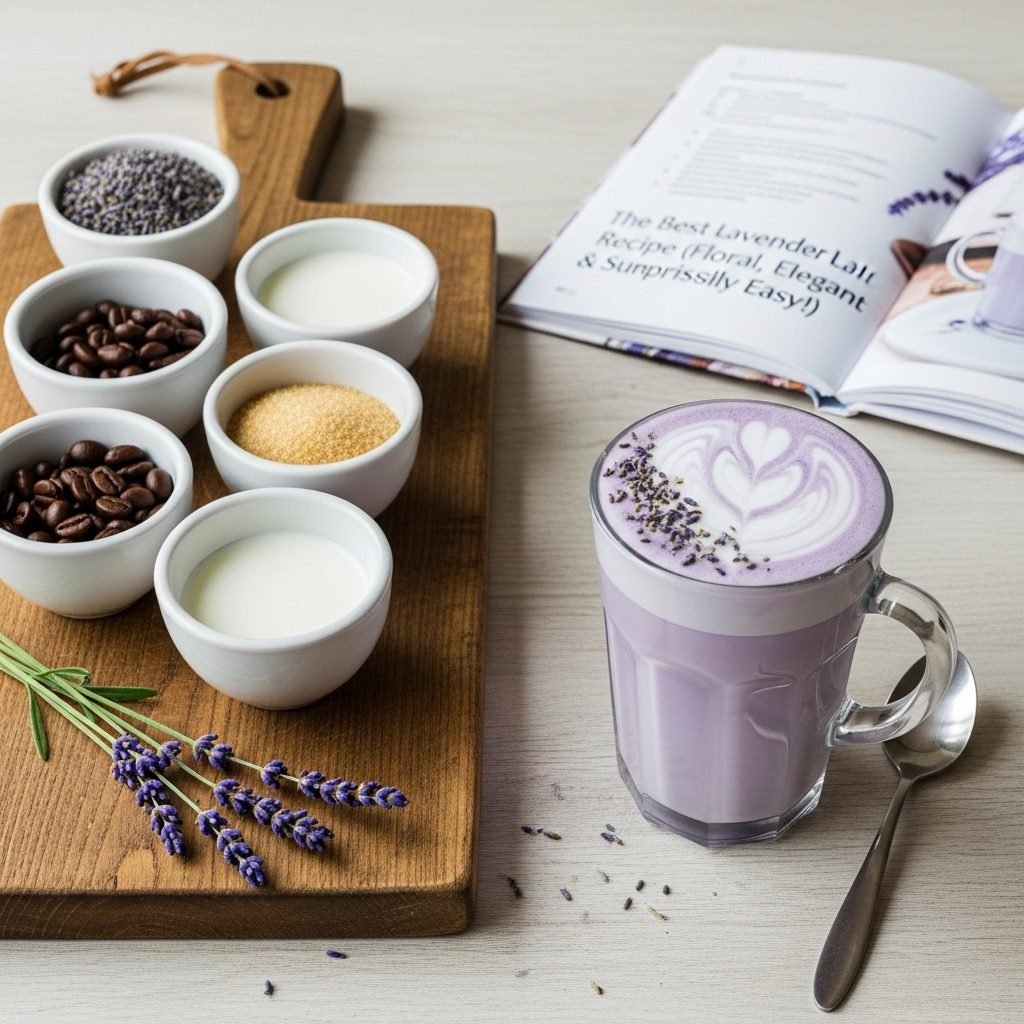
There’s something truly magical about sipping a floral, aromatic lavender latte on a cozy afternoon. This stunning purple-hued beverage combines the calming essence of culinary lavender with rich, creamy espresso for a drink that’s equal parts sophisticated and soothing. Whether you’re looking to recreate your favorite coffee shop experience at home or want to impress guests with an Instagram-worthy drink, this lavender latte recipe delivers café-quality results in just 10 minutes.
Lavender lattes have become a Pinterest sensation and coffee shop favorite for good reason—they offer a gentle floral sweetness that perfectly balances the boldness of espresso without being overpowering. The delicate lavender notes create a spa-like experience in every sip, making this the perfect drink for slow mornings, afternoon pick-me-ups, book club gatherings, or brunch with friends. It’s also wonderful served over ice during warmer months, transforming into a refreshing iced lavender latte that’s just as delicious as the hot version.
History & Background of the Lavender Latte
While lavender has been used in cooking and beverages for centuries across Mediterranean and Middle Eastern cultures, the lavender latte as we know it today is a relatively modern creation born from the third-wave coffee movement. This coffee renaissance, which began in the early 2000s, encouraged baristas and coffee enthusiasts to experiment with unique flavor combinations beyond traditional vanilla and caramel.
Lavender’s culinary use dates back to Roman times, when it was employed not just for its aromatic properties but also as a cooking herb and tea ingredient. The ancient Romans infused lavender into sauces, used it to flavor wines, and appreciated its calming properties. In French and Italian cuisines, lavender has long been a component of the herbes de Provence blend and is used to flavor everything from honey to cookies.
The modern lavender latte likely emerged from progressive coffee shops in the Pacific Northwest and California around the mid-2010s, where baristas began incorporating botanical and floral flavors into their espresso drinks. London Fog tea lattes (Earl Grey with lavender notes) paved the way for purely lavender-based coffee beverages. As Instagram and Pinterest culture grew, the visually stunning purple-tinted latte became a social media darling, spreading to coffee shops worldwide.
Today, lavender lattes are celebrated not just for their unique flavor but also for lavender’s association with relaxation, stress relief, and self-care—making every cup feel like a mini wellness moment. The drink has transcended trend status to become a beloved permanent menu item at many specialty coffee shops and a favorite among home baristas.
Why You’ll Love This Lavender Latte Recipe
This homemade lavender latte brings all the elegance and charm of a specialty coffee shop drink right into your kitchen, and it’s surprisingly simple to make! You’ll love how the gentle floral notes complement rather than overwhelm the rich espresso, creating a perfectly balanced beverage that feels both indulgent and calming.
Here’s why this recipe is a total game-changer:
- Quick & Easy: Ready in just 10 minutes with minimal ingredients and no fancy equipment required
- Budget-Friendly: Costs a fraction of what you’d pay at a coffee shop (save $5+ per drink!)
- Customizable: Easily adjust sweetness levels, milk type, and lavender intensity to your personal taste
- Caffeine with Calm: The espresso energizes while lavender’s natural properties help you feel centered and relaxed
- Impressive Presentation: That gorgeous purple hue and frothy top make it Pinterest-perfect every time
- Dairy-Free Friendly: Works beautifully with any milk alternative—oat milk creates an especially creamy result
- Year-Round Enjoyment: Delicious hot in winter and equally refreshing over ice in summer
- Natural Ingredients: Made with real culinary lavender and natural sweeteners, no artificial flavors needed
Whether you’re a coffee aficionado looking to expand your home barista skills or simply someone who loves trying unique, delicious drinks, this lavender latte will quickly become your new favorite cozy beverage.
Ingredient Notes
Let’s break down what makes this lavender latte so special and talk about each component:
Culinary Lavender: This is the star of the show! Make absolutely sure you’re using food-grade, culinary lavender—not the kind sold for potpourri or crafts, which can be treated with chemicals. Culinary lavender has a sweeter, more delicate flavor than its decorative counterpart. English lavender (Lavandula angustifolia) is the best variety for cooking and beverages. You’ll typically find it in the spice section of specialty grocery stores, health food stores, or online. A little goes a long way—too much can make your latte taste soapy, so precise measuring is key.
Granulated Sugar or Honey: These dissolve into the lavender simple syrup and balance the floral notes beautifully. Honey adds a more complex, rounded sweetness and pairs wonderfully with lavender’s botanical flavor. White sugar creates a cleaner, more neutral sweetness. You can substitute with maple syrup, agave nectar, or even a sugar-free sweetener like monk fruit if you prefer.
Water: Used to create the lavender simple syrup base. Make sure to use filtered water for the best flavor, as tap water with strong mineral content can affect the delicate lavender taste.
Espresso or Strong Coffee: The foundation of any great latte! Freshly brewed espresso gives the most authentic café experience, but you can absolutely use a Moka pot, AeroPress, or even very strong brewed coffee as substitutes. Cold brew concentrate also works wonderfully for iced versions. The key is using a coffee that’s bold enough to stand up to the milk and lavender without getting lost.
Milk of Choice: Whole milk creates the creamiest, most luxurious foam and mouthfeel, but this recipe is incredibly versatile. Oat milk has become a barista favorite for its natural sweetness and excellent frothing capabilities. Almond milk works but tends to be thinner; cashew milk offers great body. Coconut milk adds a subtle tropical note that some people love with lavender. For the best results, choose a barista-style or full-fat version of your preferred milk alternative.
Vanilla Extract (Optional): Just a drop enhances the lavender without competing with it, adding warmth and depth to the overall flavor profile.
Equipment Needed
You don’t need a professional espresso machine to make an amazing lavender latte at home! Here’s what you’ll need:
- Small Saucepan: For making the lavender simple syrup
- Fine-Mesh Strainer: Essential for removing lavender buds from your syrup
- Espresso Maker, Moka Pot, or AeroPress: To brew your coffee (or use strongly brewed coffee from a regular coffee maker)
- Milk Frother or Small Whisk: For creating that beautiful foamy texture (even a jar with a tight lid works for frothing!)
- Measuring Spoons and Cups: For precise ingredient measurements
- Small Jar or Container: To store leftover lavender syrup in the refrigerator
- Coffee Mug (12-16 oz): Your favorite mug for serving
Optional but helpful:
- Kitchen thermometer (to heat milk to the perfect 150-160°F)
- Electric milk frother or steam wand for café-quality foam
Print

Lavender Latte Recipe
This homemade lavender latte features aromatic culinary lavender steeped into a simple syrup, combined with rich espresso and creamy steamed milk for a café-worthy drink you can make in just 10 minutes. The gentle floral notes create a perfectly balanced, Instagram-worthy beverage that’s both energizing and calming.
- Total Time: 10 minutes
- Yield: 1 serving (makes extra lavender syrup for future lattes) 1x
Ingredients
ScaleFor the Lavender Simple Syrup (makes about 1/2 cup):
- 1/2 cup water
- 1/2 cup granulated sugar (or honey)
- 1 tablespoon culinary lavender buds
- 1/4 teaspoon vanilla extract (optional)
For the Latte:
- 2 shots espresso (about 2 ounces) or 1/2 cup strong brewed coffee
- 1 cup milk of choice (whole, oat, almond, or your preference)
- 1-2 tablespoons lavender simple syrup (adjust to taste)
- Dried lavender buds for garnish (optional)
Instructions
- Combine and heat: In a small saucepan, combine the water and sugar over medium heat. Stir occasionally until the sugar completely dissolves, about 2-3 minutes. You’ll know it’s ready when the liquid is clear and there are no sugar granules remaining.
- Steep the lavender: Once the sugar has dissolved, remove the saucepan from heat and immediately add the culinary lavender buds and vanilla extract (if using). Stir gently, then cover the saucepan and let it steep for 5 minutes. Don’t steep longer than 5-7 minutes, as the lavender flavor can become too strong and taste soapy.
- Strain and cool: After steeping, pour the syrup through a fine-mesh strainer into a clean jar or container, pressing gently on the lavender buds to extract all the flavorful liquid. Discard the lavender buds. Let the syrup cool to room temperature, then store it in the refrigerator for up to 2 weeks.
Prepare the Lavender Latte:
- Brew the espresso: Pull 2 shots of espresso using your espresso machine, Moka pot, or AeroPress. If using regular coffee, brew it extra strong—about double your normal coffee-to-water ratio. Keep it hot while you prepare the milk.
- Heat and froth the milk: Pour your milk into a small saucepan and heat over medium heat until it reaches 150-160°F, or until it’s steaming but not boiling. If you don’t have a thermometer, look for small bubbles forming around the edges. Use a milk frother, immersion blender, or whisk vigorously to create foam. Alternatively, pour hot milk into a jar with a tight lid, seal it, and shake vigorously for 30-60 seconds until frothy.
- Assemble your latte: Add 1-2 tablespoons of lavender simple syrup to your favorite coffee mug (start with 1 tablespoon and adjust based on your sweetness preference). Pour in the hot espresso and stir to combine with the syrup.
- Add the milk: Slowly pour the steamed milk into the mug, holding back the foam with a spoon. Once most of the milk is poured, spoon the remaining foam on top to create that signature latte appearance.
- Garnish and serve: If desired, sprinkle a tiny pinch of dried lavender buds on top of the foam for a beautiful presentation. Serve immediately and enjoy your café-quality lavender latte!
Notes
- Lavender intensity: Start with 1 tablespoon of syrup and add more if desired. Lavender flavor can vary in strength depending on the freshness and quality of your buds.
- Making it iced: For an iced lavender latte, let your espresso cool slightly, then pour it over ice in a tall glass with the lavender syrup. Add cold milk and stir well. No need to froth cold milk unless you want to!
- Sweetener substitutions: Honey creates a more complex flavor, while maple syrup adds earthiness. Agave nectar works well for a lighter sweetness.
- Storage: Leftover lavender syrup keeps in an airtight container in the refrigerator for up to 2 weeks, making multiple lattes quick and easy!
- Coffee strength: The espresso flavor should still shine through the lavender and milk, so don’t be shy with your coffee strength.
- Prep Time: 5 minutes
- Cook Time: 5 minutes
- Category: Beverage / Coffee Drink
- Method: Stovetop, Brewed
- Cuisine: American, Café-Style
- Diet: Gluten Free
Nutrition
- Serving Size: 1 latte (16 oz)
- Calories: 185
- Sugar: 24g
- Sodium: 105mg
- Fat: 6g
- Saturated Fat: 3.5g
- Unsaturated Fat: 2g
- Trans Fat: 0g
- Carbohydrates: 26g
- Fiber: 0g
- Protein: 8g
- Cholesterol: 20mg
Tips & Variations
Make It Your Own:
- Iced Lavender Latte: Perfect for summer! Brew espresso and let it cool for 5 minutes, then pour over ice with lavender syrup and cold milk. Add a splash of vanilla sweet cream for extra indulgence.
- Lavender Honey Latte: Substitute all sugar with honey in your simple syrup for a more complex, floral sweetness that pairs beautifully with the lavender.
- Dirty Lavender Latte: Add an extra shot of espresso for a stronger coffee kick when you really need that caffeine boost.
- Lavender Vanilla Latte: Increase vanilla extract to 1/2 teaspoon in the simple syrup for a more pronounced vanilla-lavender combination.
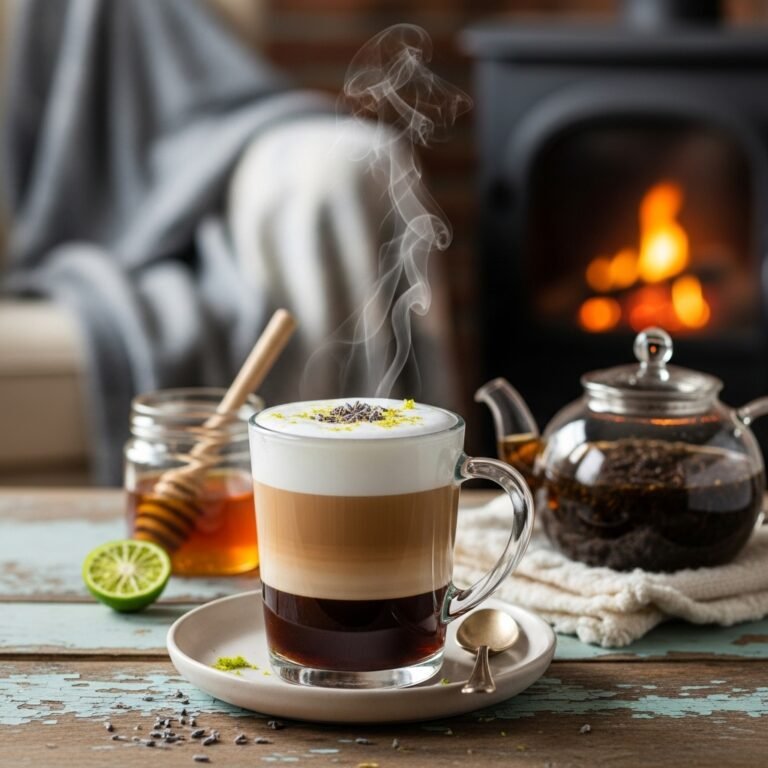
- London Fog Lavender Latte: Replace espresso with strongly brewed Earl Grey tea for a caffeine-lighter, bergamot-enhanced version.
- Coconut Lavender Latte: Use coconut milk and add a tiny pinch of cardamom to the syrup for a tropical twist.
- Maple Lavender Latte: Replace sugar with maple syrup in the simple syrup recipe for an earthy, autumn-inspired version.
- Dairy-Free Options: Oat milk creates the creamiest dairy-free version with excellent foam. Coconut cream (just the thick part from a can) makes it extra luxurious.
Adjust the Sweetness:
Everyone’s palate is different! Start with 1 tablespoon of syrup and taste before adding more. You can always add sweetness, but you can’t take it away. Some people prefer just 1-1.5 tablespoons for a subtler lavender hint, while others love a full 2 tablespoons for a more pronounced floral flavor.Pro Chef Tips
Perfect Your Lavender Infusion: The quality and freshness of your culinary lavender makes a massive difference in the final flavor. Store lavender buds in an airtight container away from light and heat, and they’ll stay fragrant for up to a year. If your lavender smells musty or weak, it’s time for fresh buds. Also, always crush the buds slightly between your fingers before steeping to release more essential oils.
Master the Milk Temperature: Professional baristas know that milk tastes sweetest and creates the best microfoam between 150-160°F. Any hotter and you’ll scald the milk, creating a burnt flavor and breaking down the proteins that create good foam. If you’re using a thermometer, stop heating at 155°F—the temperature will continue rising a few degrees off the heat.
Create Microfoam, Not Bubbles: The secret to café-quality foam is creating tiny, velvety microfoam rather than large bubbles. When frothing, keep the frother or steam wand just below the milk’s surface and create a whirlpool motion. The result should look glossy and paint-like, not bubbly and dry. Barista-blend oat milk and whole milk both create superior foam compared to low-fat alternatives.
Layer for Visual Appeal: For that gorgeous Pinterest-worthy appearance, pour your steamed milk slowly from about 3-4 inches above the cup, allowing it to sink through the espresso and create natural layers. As you fill the cup, lower your pour closer to the surface and increase the pour speed to bring the foam to the top.
Balance Is Everything: The lavender should enhance, not overpower, the coffee. If your latte tastes too perfume-y or soapy, you’ve used too much lavender. Dial it back slightly next time. Conversely, if you can barely detect the lavender, steep it a bit longer (but not beyond 7 minutes) or add an extra half-tablespoon to your syrup.
Bloom Your Espresso: If using freshly ground beans, let your espresso “bloom” for 15-20 seconds after brewing before adding milk. This allows the coffee’s aromatics to fully develop, creating a more complex, layered flavor in your finished latte.
Common Mistakes to Avoid
Using Decorative Lavender: This is the number one mistake! Only use culinary-grade lavender that’s specifically labeled as food-safe. Craft lavender or potpourri lavender may be treated with pesticides, essential oils, or other chemicals that are unsafe to consume. When in doubt, purchase from the spice section or a reputable culinary herb supplier.
Over-Steeping the Lavender: Leaving lavender buds in your simple syrup for too long will result in a bitter, soapy, or overly perfumed taste that ruins the entire drink. Set a timer for 5 minutes and strain immediately. Think of it like tea—steeping longer doesn’t always mean better flavor.
Boiling the Milk: Bringing milk to a full boil destroys its sweet flavor, creates a “cooked” taste, and prevents proper foam formation. Heat it gently until steaming (150-160°F) for the best texture and flavor. If you see rapid bubbling, you’ve gone too far.
Adding Syrup After the Milk: Always add your lavender syrup to the espresso before pouring in the milk. This ensures even distribution of flavor throughout the latte. Adding syrup on top means it’ll just sink to the bottom, creating an unbalanced drink.
Using Stale Coffee: Since this drink highlights coffee as much as lavender, using old, stale beans or pre-ground coffee that’s been sitting for months will noticeably diminish the quality. For the best results, use freshly ground beans and brew your espresso or coffee immediately before making your latte.
Wrong Milk-to-Coffee Ratio: A proper latte should be about 1 part espresso to 3-4 parts milk. Too much milk and you’ll lose the coffee flavor entirely; too little and the drink will be too strong and bitter. The standard 2 oz espresso to 8 oz milk creates the perfect balance.
Storage & Meal Prep
Lavender Simple Syrup Storage: This is what makes the recipe so convenient for regular enjoyment! Once your lavender simple syrup has cooled completely, transfer it to a clean glass jar or airtight container. Store it in the refrigerator where it will keep beautifully for up to 2 weeks. The sugar acts as a natural preservative, preventing bacterial growth. Always use a clean spoon when portioning out syrup to prevent contamination.
Signs Your Syrup Has Gone Bad: If you notice any cloudiness, mold, fermentation bubbles, or an off smell, discard the syrup immediately. Properly stored syrup should remain clear (or slightly purple-tinted if you used darker lavender) and smell pleasantly floral.
Batch Prep for Busy Mornings: You can double or even triple the lavender syrup recipe and keep a larger batch on hand. Having syrup pre-made means you can whip up a lavender latte in under 5 minutes on busy mornings—just as fast as a regular latte!
Reheating: Lattes don’t reheat well, as the milk texture changes and can become grainy when microwaved. It’s best to make each latte fresh when you want to drink it. However, you can brew extra espresso and refrigerate it for up to 3 days, then reheat just the espresso before adding fresh steamed milk.
Coffee Storage: If you’re grinding your own beans, only grind what you need for immediate use. Whole beans stay fresh much longer than ground coffee. Store beans in an airtight, opaque container at room temperature (not the refrigerator or freezer, which introduces moisture).
Make-Ahead & Freezer Notes
Advance Preparation: The beauty of this recipe is that you can prepare the lavender simple syrup up to 2 weeks ahead, making weekday lattes incredibly quick and easy. On a Sunday evening, spend 10 minutes making a batch of syrup, and you’ll have the foundation for 8-12 lavender lattes ready to go throughout the week.
Syrup Freezing: Lavender simple syrup freezes beautifully for up to 3 months! Pour cooled syrup into ice cube trays, freeze until solid, then transfer the cubes to a freezer-safe bag. Each cube equals about 1-2 tablespoons, so you can thaw just what you need for each latte. Alternatively, freeze in small mason jars, leaving 1 inch of headspace for expansion. Thaw overnight in the refrigerator or at room temperature for 1-2 hours.
Pre-Portioned Syrup: For ultimate convenience, consider freezing the syrup in 1-tablespoon portions using a silicone mini muffin pan or small ice cube tray. Pop out a cube, add to your espresso, and it’ll melt instantly without needing to thaw.
Espresso Ice Cubes: Here’s a pro tip for iced lavender lattes: freeze leftover espresso or strong coffee in ice cube trays. When making an iced version, use coffee ice cubes instead of regular ice so your latte doesn’t get watered down as it melts!
Not Recommended for Freezing: Don’t freeze the completed latte itself. The milk separates upon thawing and the texture becomes grainy and unappealing. Always prepare the milk fresh for each drink.
Morning Routine Hack: If you make lattes every morning, keep your lavender syrup in a small squeeze bottle in the refrigerator for easy, mess-free dispensing. This saves time and keeps your counter clean.
Serving Suggestions
A lavender latte is delightful on its own, but pairing it with complementary foods elevates the entire experience into a café-style moment at home.
Perfect Breakfast Pairings:
- Buttery croissants or pain au chocolat for a French-inspired breakfast
- Lemon poppyseed muffins or blueberry scones—the citrus complements lavender beautifully
- Vanilla or almond biscotti for dipping
- Greek yogurt parfait with honey and fresh berries
- Avocado toast with everything bagel seasoning
Brunch Companions:
- Fluffy pancakes or waffles drizzled with lavender honey
- Eggs Benedict or a veggie frittata
- Fresh fruit salad with mint
- Smoked salmon bagels with cream cheese
- Quiche Lorraine or spinach quiche
Afternoon Treats:
- Shortbread cookies or butter cookies
- Macarons (especially lavender, vanilla, or lemon flavors)
- Pound cake or angel food cake
- Madeleines for a truly French experience
- Dark chocolate truffles—the bitterness balances the floral sweetness perfectly
Seasonal Ideas:
- In spring: pair with strawberry shortcake or lemon bars
- In summer: enjoy with iced sugar cookies or fruit tarts
- In fall: complement with apple cinnamon bread or pumpkin muffins
- In winter: serve alongside gingerbread or spice cookies
Creating the Moment:
Lavender lattes are as much about the experience as the flavor. Serve yours in your favorite cozy mug, perhaps with a small plate of treats, a good book, or during a catch-up session with friends. The ritual of making and savoring this special drink transforms an ordinary break into a luxurious self-care moment.Frequently Asked Questions
Can I use lavender essential oil instead of dried lavender buds?
No, absolutely not! Essential oils are highly concentrated and most are not food-grade or safe for internal consumption. Even “pure” essential oils can contain compounds that are unsafe to ingest and will taste terrible—far too intense and often chemical-like. Always use culinary lavender buds, which are specifically grown and processed for cooking and beverages.Why does my lavender latte taste soapy?
This usually happens when you’ve used too much lavender or steeped it too long. Lavender contains compounds that can taste soapy when overconcentrated. Reduce the steeping time to 5 minutes maximum, use a bit less syrup, or dilute your existing syrup with a little extra simple syrup (sugar and water) to mellow the intensity. Also ensure you’re using fresh, high-quality culinary lavender—old lavender can develop off flavors.What’s the best milk for making lavender lattes?
Whole milk creates the creamiest texture and most luxurious foam, but oat milk has become the barista favorite for dairy-free options because it froths beautifully and has natural sweetness that pairs wonderfully with lavender. Look for “barista edition” plant milks that are specifically formulated for steaming. Almond milk works but creates thinner foam, while cashew milk offers good body. Experiment to find your favorite!Can I make this without an espresso machine?
Absolutely! While espresso creates the most authentic latte experience, you have several options: use a Moka pot (stovetop espresso maker), AeroPress, strongly brewed French press, or even regular drip coffee made extra strong (double your normal coffee grounds). The key is using a concentrated, bold coffee that won’t get lost among the milk and lavender flavors. Cold brew concentrate also works wonderfully.How long does lavender simple syrup last?
When stored properly in an airtight container in the refrigerator, lavender simple syrup lasts up to 2 weeks. The high sugar content acts as a natural preservative. For longer storage, freeze it in ice cube trays for up to 3 months. Always use clean utensils when scooping out syrup to prevent introducing bacteria.Can I make this latte sugar-free?
Yes! You can create a sugar-free lavender syrup using sugar substitutes like erythritol, allulose, or monk fruit sweetener. Follow the same method, using a 1:1 sugar replacement. Keep in mind that sugar alternatives may crystallize or have slightly different dissolution properties, and the syrup may have a shorter shelf life. For keto-friendly versions, use heavy cream or unsweetened nut milk.Is lavender latte safe during pregnancy?
Culinary lavender in small amounts (like what’s used in a latte) is generally considered safe during pregnancy, but you should always consult with your healthcare provider about any herbal ingredients. Some people prefer to avoid herbal preparations during pregnancy out of an abundance of caution. The caffeine from the espresso is a separate consideration—most doctors recommend limiting caffeine to 200mg or less per day during pregnancy. You could make a decaf or half-caf version if you’re concerned about caffeine intake.Can I taste the lavender, or is it just for smell?
You absolutely taste the lavender! It provides a delicate, slightly sweet, floral flavor that’s distinct but not overpowering when done right. It’s similar to adding vanilla to your latte—you both taste and smell the flavor. The lavender should enhance the coffee experience with gentle botanical notes rather than dominating it. If you only smell lavender but don’t taste it, you may need to add a bit more syrup or steep your next batch slightly longer.Conclusion
There you have it—everything you need to create your own stunning, café-quality lavender latte at home! This dreamy beverage brings together the comforting ritual of coffee with the sophisticated, calming essence of lavender for a drink that’s truly special. Whether you’re treating yourself to a quiet morning moment, impressing brunch guests, or simply looking to elevate your daily coffee routine, this lavender latte delivers on both flavor and experience.
The best part? Once you’ve made that batch of lavender simple syrup, you’re just minutes away from a luxurious latte whenever the craving strikes. No more $6 coffee shop runs—you’ve got the skills to create this botanical beauty right in your own kitchen, customized exactly to your taste preferences.
I’d absolutely love to hear how your lavender latte turns out! Did you make it iced or hot? Did you try any fun variations? Drop a comment below sharing your experience, and don’t forget to rate this recipe if you loved it. Your feedback helps other home baristas find their way to this delicious drink!
📌 Pin this recipe to your Coffee Recipes or Drinks board on Pinterest so you can find it easily whenever you need a special pick-me-up! Share it with your coffee-loving friends who would appreciate this floral twist on their usual latte. Here’s to creating café moments at home—one beautifully fragrant, perfectly balanced lavender latte at a time! ☕💜