Creamy Hokkaido Milk Tea Recipe (Royal Milk Tea at Home!)
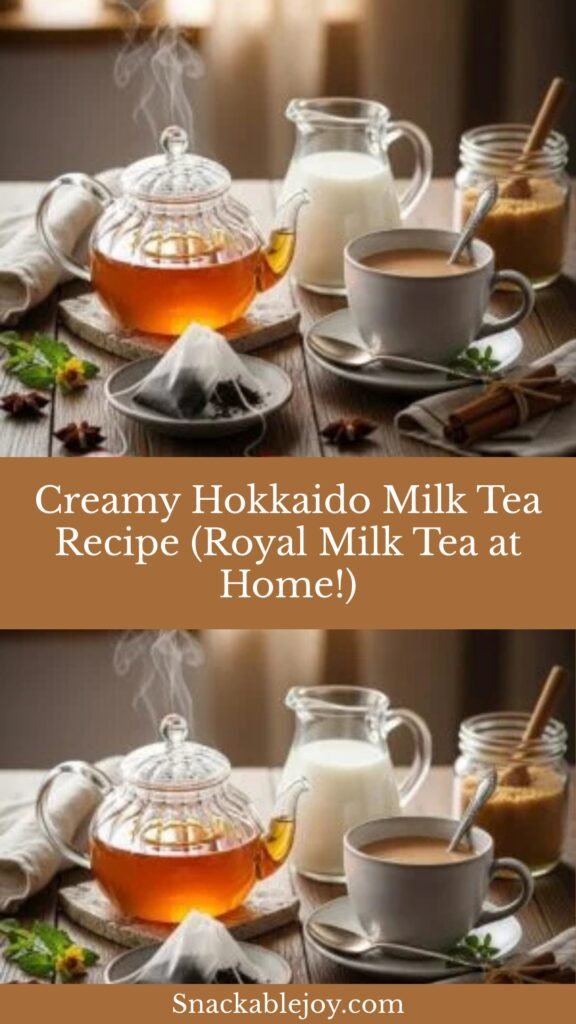
Get ready to fall in love with one of Japan’s most beloved drinks—Hokkaido Milk Tea! If you’ve been captivated by that incredibly creamy, smooth, perfectly balanced milk tea you’ve tried at Japanese cafés or Asian tea shops, and you’ve been spending $6-8 every time you crave it, I’m about to show you how to make an even better version at home. This is the drink that converts non-tea-drinkers into tea enthusiasts, and once you taste it, you’ll understand why!
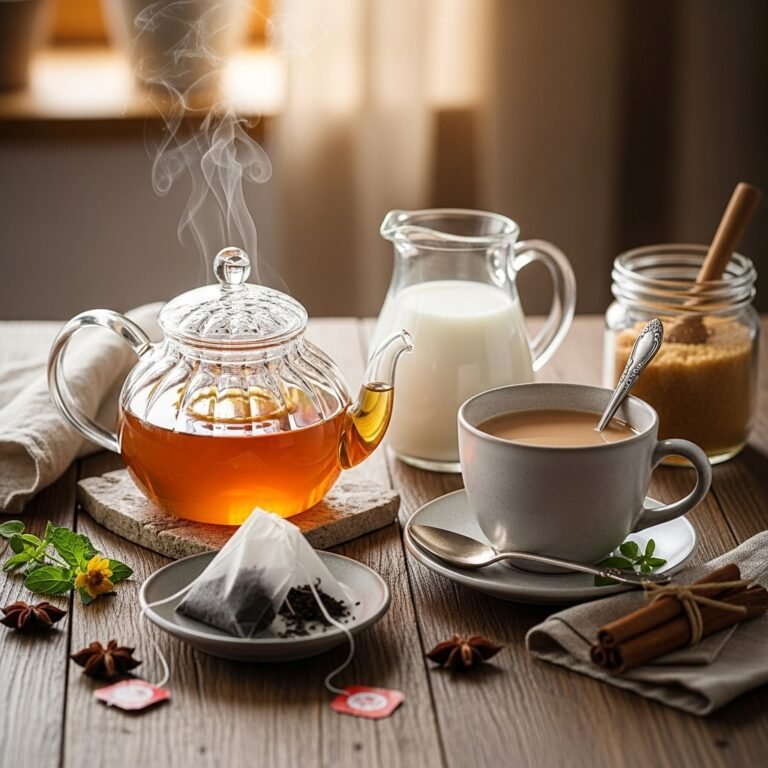
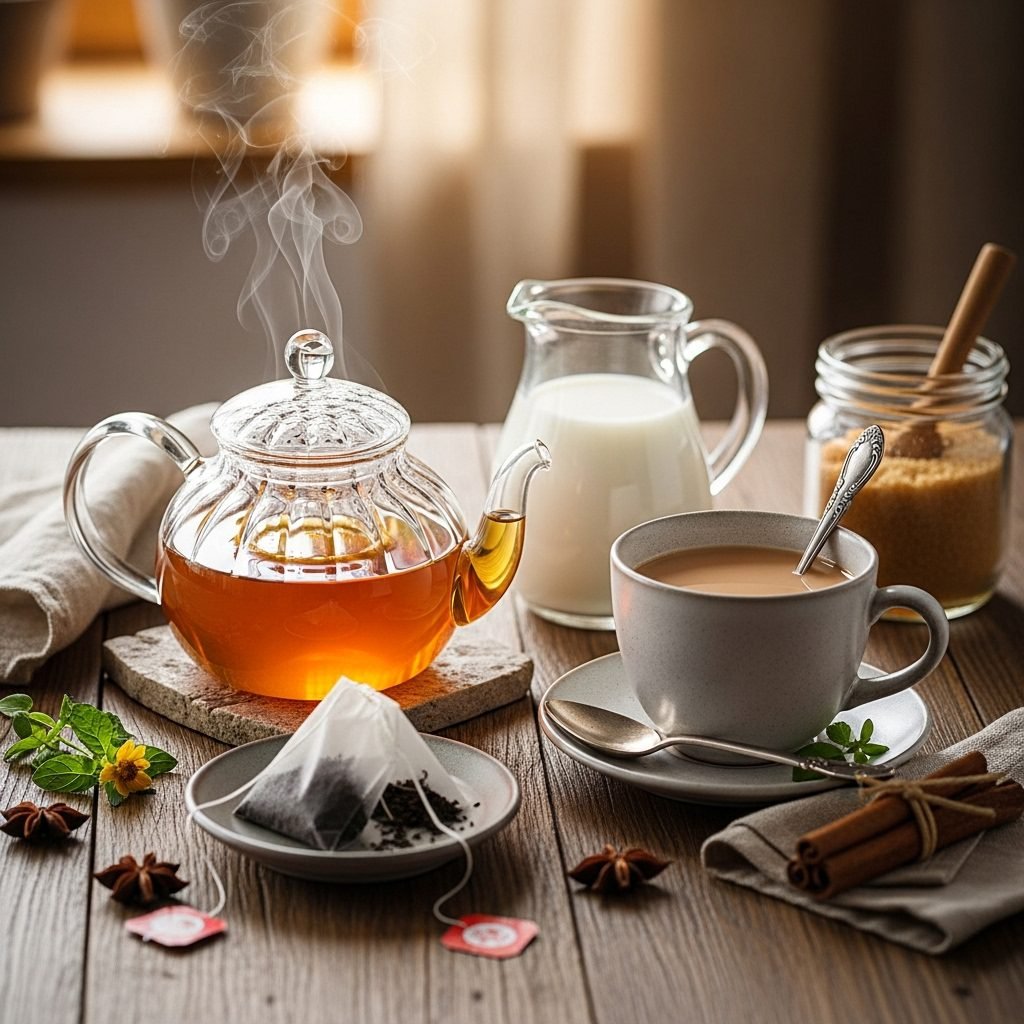
Hokkaido Milk Tea (also called Royal Milk Tea or Japanese Milk Tea) is a luxuriously creamy, lightly sweetened tea beverage that originated in Japan. Unlike regular milk tea where you just add a splash of milk to brewed tea, Hokkaido Milk Tea is made by simmering tea leaves directly in milk and water together, creating an incredibly rich, velvety texture with deep tea flavor perfectly balanced by creamy sweetness. The result is a drink that’s warming and comforting, not too sweet, with a sophisticated tea taste that’s never bitter—just pure, silky perfection.
This incredible drink is perfect for cozy mornings when you want something more special than regular tea, as an afternoon pick-me-up that feels like a warm hug, when you’re craving bubble tea but want something simpler and more elegant, for impressing guests with your Japanese tea expertise, or simply when you want café-quality tea at home. It’s become incredibly popular in Western countries over the past decade as people discover the Japanese approach to milk tea—which is all about quality, balance, and that signature creaminess.
What makes this homemade version truly special is the control and quality you get—you choose premium tea leaves, adjust the sweetness exactly to your preference, and create that authentic Japanese tea shop experience in your kitchen. Plus, making it at home costs about $1-2 per serving versus $6-8 at cafés. You can batch the concentrate, keep it ready in your fridge, and have Royal Milk Tea anytime!
History / Background
Hokkaido Milk Tea has a fascinating history that beautifully illustrates how Japanese culture adapts and perfects foreign influences, creating something uniquely their own. This drink represents the marriage of British tea culture with Japanese dairy excellence and the Japanese pursuit of perfection.
Tea arrived in Japan from China in the 9th century, but it was traditionally consumed green and unsweetened, often as part of formal tea ceremonies. Black tea and the concept of adding milk to tea came much later, introduced by the British during Japan’s Meiji period (1868-1912) when Japan opened to Western influence after centuries of isolation. The British custom of afternoon tea with milk became fashionable among Japanese elites who wanted to appear cosmopolitan and modern.
However, the Japanese didn’t simply copy British milk tea—they refined it and made it their own. The term “Royal Milk Tea” (ロイヤルミルクティー) was actually coined in Japan in the 1960s by the tea company Lipton Japan as a marketing term for their premium milk tea product. The “Royal” designation suggested luxury and quality, implying this was milk tea fit for royalty. While the term sounds British, it’s actually a Japanese-English creation (known as “wasei-eigo”) that doesn’t exist in Britain!
But why “Hokkaido” specifically? Hokkaido, Japan’s northernmost island, is renowned throughout Asia for producing some of the world’s finest dairy products. The region’s cool climate, vast pasturelands, and rigorous quality standards create milk, cream, and butter that’s exceptionally rich, pure, and flavorful. When Japanese tea companies wanted to emphasize the superior creaminess and quality of their milk tea, they associated it with Hokkaido’s premium dairy reputation. Thus, “Hokkaido Milk Tea” became synonymous with the creamiest, most luxurious version of Japanese milk tea.
The preparation method—simmering tea leaves directly in milk and water rather than brewing tea separately and adding milk—is distinctly Japanese. This technique extracts maximum flavor from the tea leaves while the milk proteins bind with tea tannins, creating a smooth texture without bitterness. It’s similar to how chai is made in India, but the Japanese version is more delicate and refined, focusing on achieving perfect balance rather than bold spice.
Hokkaido Milk Tea became a staple in Japanese kissaten (traditional coffee houses) and yoshoku (Western-style) restaurants throughout the 20th century. It represented sophistication and was often served at upscale establishments. The drink also became popular in vending machines and convenience stores throughout Japan—you can buy hot or cold Royal Milk Tea from vending machines on nearly every street corner in Japan, a testament to its everyday appeal.
The drink gained international recognition in the 2000s and 2010s as Japanese food culture became globally trendy. Bubble tea shops began offering “Hokkaido milk tea” as a premium, creamy base option. Coffee shops started featuring “Royal Milk Tea Lattes.” Food bloggers and home cooks discovered the technique and began recreating it, spreading knowledge of this delicious beverage worldwide.
What makes Hokkaido Milk Tea culturally significant is how it represents Japanese perfectionism—taking a foreign concept (British milk tea) and refining it to the absolute pinnacle of what it can be through attention to ratio, technique, and quality ingredients. It’s not flashy or complicated, but it’s executed with such precision that the result is transcendent. That’s very Japanese!
Today, Hokkaido Milk Tea represents accessible luxury—a simple drink made extraordinary through quality and technique. Making it at home connects you to this beautiful tradition of taking everyday moments and elevating them through care and attention to detail.
Why You’ll Love This Recipe
This homemade Hokkaido Milk Tea recipe is about to become your new comfort drink obsession, and I’m genuinely excited to share why! Not only does it taste absolutely divine—creamy, smooth, perfectly balanced between tea and milk with just the right sweetness—but it’s surprisingly simple to make once you understand the technique. No special equipment needed, just a saucepan and 10 minutes of your time!
Making Hokkaido Milk Tea at home means you control the tea strength (want it bolder? use more tea!), sweetness level (many cafés make it too sweet, drowning the delicate tea flavor), milk richness (whole milk for luxury, or alternatives for dietary needs), and you save a fortune compared to buying at Japanese tea shops or bubble tea cafés. Plus, there’s something incredibly soothing about the process—watching tea leaves simmer gently in milk, filling your kitchen with the most wonderful aroma!
Here’s why this recipe will transform your tea-drinking life:
- Incredibly Creamy: That signature velvety texture is unmatched by regular milk tea
- Perfectly Balanced: Not too sweet, not bitter—just pure, harmonious tea flavor
- Super Budget-Friendly: Costs $1-2 per serving versus $6-8 at cafés
- Surprisingly Simple: Just 10 minutes and basic ingredients create café-quality results
- Elegant & Sophisticated: Feels special and luxurious without being complicated
- Warming & Comforting: Perfect for cozy moments, relaxation, and self-care
- Naturally Smooth: Never bitter thanks to the milk-simmering technique
- Highly Customizable: Adjust every element to your exact preferences
- Works Hot or Iced: Delicious in any season, any temperature
- Impressive for Guests: People are always amazed you made this at home
- Moderate Caffeine: Gentle energy boost without coffee-level jitters
- Kid-Friendly: The mild, sweet flavor appeals to all ages
- Make-Ahead Friendly: Batch the concentrate for instant tea all week
- No Special Equipment: Just a saucepan, strainer, and measuring tools
- Authentic Japanese Experience: True to traditional Royal Milk Tea technique
Ingredient Notes
Let’s explore the simple but crucial ingredients that create this luxurious drink!
Black Tea Leaves: This is your flavor foundation! Hokkaido Milk Tea traditionally uses strong black tea that can stand up to milk without being overwhelmed. Best options:
Assam Tea: My top recommendation! Assam from India is full-bodied, malty, robust, and stands up beautifully to milk. It’s the traditional choice for Japanese Royal Milk Tea.
Ceylon Tea: From Sri Lanka, slightly lighter than Assam, with bright, citrusy notes. Creates a more delicate milk tea.
English Breakfast Blend: A blend usually containing Assam, Ceylon, and Kenyan teas—specifically designed for milk!
Earl Grey: For a floral, bergamot-scented variation that’s elegant and aromatic.
You’ll need 2-3 teaspoons of loose leaf tea (or 2-3 tea bags) per serving. Loose leaf is preferred for best flavor, but quality tea bags work! Avoid green tea, white tea, or delicate teas—they don’t have the strength needed. Store tea in an airtight container away from light and moisture.
Milk: The star ingredient that makes this “Hokkaido” style! Traditional Japanese Royal Milk Tea uses whole milk for maximum creaminess, but you have options:
Whole Milk: Traditional, creates the richest, most authentic texture 2% Milk: Lighter but still creamy Half-and-Half or Light Cream: Ultra-luxurious for special occasions (traditional in some Japanese tea houses!) Oat Milk: Best plant-based option—naturally creamy and sweet Soy Milk: Traditional in Asian cafés, good protein content Almond or Cashew Milk: Works but can be thin—choose unsweetened “barista blend” versions
You’ll need about ¾ to 1 cup per serving. The milk-to-water ratio is crucial—traditionally it’s about 2:1 (milk:water).
Water: You’ll need about ½ cup of water per serving. The water helps extract tea flavor more efficiently than milk alone, then the milk adds creaminess.
Sweetener: Hokkaido Milk Tea is lightly sweet—just enough to enhance the tea’s natural flavors without overwhelming. Options:
Granulated Sugar: Traditional, dissolves easily in hot liquid Simple Syrup: Pre-dissolved sugar (1:1 sugar to water), blends seamlessly Honey: Adds floral notes, natural sweetness Condensed Milk: Traditional Japanese addition—adds sweetness AND extra creaminess (use 1-2 tablespoons instead of sugar) Brown Sugar: Adds caramel notes Agave or Maple Syrup: Alternative natural sweeteners
Start with 1-2 teaspoons per serving and adjust to taste. Japanese milk tea is subtly sweet, not sugary!
Optional Flavor Enhancers: Vanilla extract (¼ teaspoon adds depth), pinch of sea salt (enhances sweetness perception), or cinnamon stick (adds warmth).
Equipment Needed
Making Hokkaido Milk Tea requires minimal, basic equipment!
- Small to medium saucepan: For simmering tea in milk and water
- Fine-mesh strainer or tea strainer: For removing tea leaves after steeping
- Measuring cups and spoons: For precise ratios (this matters!)
- Whisk or spoon: For stirring
- Teacups or mugs: 8-10 oz cups are traditional
- Timer: To track steeping time precisely
- Optional: Tea infuser or sachet: Makes removing leaves easier
- Optional: Milk frother: For creating foam on top (fancy!)
- Optional: Thermometer: To ensure you don’t boil the milk
Print

Hokkaido Milk Tea Recipe
This authentic Hokkaido Milk Tea (Royal Milk Tea) is incredibly creamy, smooth, and perfectly balanced. Made by simmering black tea leaves directly in milk and water, it creates a luxurious, velvety texture with deep tea flavor that’s never bitter. This is the Japanese tea shop experience at home!
- Total Time: 10 minutes
- Yield: 1 serving (10-12 oz) or 2 small servings 1x
Ingredients
Scale- ½ cup water
- 2-3 teaspoons loose leaf black tea (Assam or English Breakfast) OR 2-3 tea bags
- ¾ to 1 cup whole milk (or milk of choice)
- 1-2 teaspoons sugar, honey, or sweetener of choice (adjust to taste)
- Optional: ¼ teaspoon vanilla extract
- Optional: Pinch of sea salt
Instructions
Step 1: Bring Water to Boil
- Pour ½ cup of water into a small to medium saucepan.
- Bring to a full, rolling boil over medium-high heat (about 2-3 minutes).
Step 2: Add Tea and Steep
- Once water is boiling vigorously, add 2-3 teaspoons of loose leaf black tea (or 2-3 tea bags).
- Reduce heat to medium-low immediately to prevent boiling over.
- Let the tea simmer gently for 2-3 minutes. The water will become very dark—this is perfect! You’re creating a strong tea concentrate. Stir occasionally to ensure even extraction.
Step 3: Add Milk
- After tea has steeped for 2-3 minutes, pour in ¾ to 1 cup of milk (start with ¾ cup for stronger tea flavor, use 1 full cup for creamier, milder tea).
- Stir gently to combine the milk with the tea-infused water.
- Continue heating over medium-low heat. Watch carefully—you want to heat the milk until it’s steaming and small bubbles form around the edges, but DO NOT let it boil! Boiling milk creates skin on top and can scorch, affecting taste. This takes about 3-4 minutes.
- The mixture should reach about 160-180°F—hot enough to be steaming but not bubbling vigorously.
Step 4: Strain and Sweeten
- Once the milk is heated through (steaming with tiny bubbles at the edges), remove from heat immediately.
- Place a fine-mesh strainer over your serving cup or mug.
- Pour the hot milk tea through the strainer to catch all the tea leaves (or remove tea bags with a spoon).
- Add 1-2 teaspoons of sugar, honey, or your preferred sweetener to the hot tea. Stir until completely dissolved. Taste and adjust—you want subtle sweetness that enhances the tea without overwhelming it.
- Optional: Add ¼ teaspoon vanilla extract and a tiny pinch of sea salt for enhanced flavor depth.
Step 5: Serve and Enjoy
- Pour into your favorite teacup or mug (strain again if any tea leaves escaped).
- Optional: Use a milk frother to create a thin layer of foam on top for that café-style presentation.
- Serve immediately while hot. The first sip should be creamy, smooth, with perfect tea-milk balance and gentle sweetness.
- For iced version: Let the tea cool to room temperature, then refrigerate until cold and serve over ice.
Notes
- Don’t boil the milk: Watch carefully once milk is added. Boiling creates skin, scorched flavor, and can curdle milk. Heat until steaming with small bubbles at edges, then remove immediately.
- Tea strength matters: 2 teaspoons creates mild, creamy tea; 3 teaspoons creates stronger, more robust tea. Adjust to preference!
- Steep time is crucial: 2-3 minutes in boiling water extracts flavor perfectly. Longer creates bitterness; shorter is too weak.
- Ratio is key: Traditional Hokkaido Milk Tea uses about 2:1 milk to water ratio. More milk = creamier; more water = stronger tea taste.
- Quality tea makes a difference: Use good black tea! Cheap, stale tea creates flat, bitter flavor.
- Sweetness is personal: Japanese style is subtly sweet. Start with 1 teaspoon sugar, taste, adjust. Should enhance, not overpower.
- Make it iced: Perfect for summer! Prepare as directed, chill completely, serve over ice. Still creamy and delicious cold!
- Prep Time: 2 minutes
- Cook Time: 8 minutes
- Category: Beverage
- Method: Stovetop
- Cuisine: Japanese
- Diet: Gluten Free
Nutrition
- Serving Size: Hokkaido Milk Tea (10 oz, made with whole milk)
- Calories: 150
- Sugar: 14g
- Sodium: 95mg
- Fat: 6g
- Saturated Fat: 4g
- Unsaturated Fat: 2g
- Trans Fat: 0g
- Carbohydrates: 17g
- Fiber: 0g
- Protein: 7g
- Cholesterol: 20mg
Tips & Variations
Customize Your Perfect Hokkaido Milk Tea:
- Iced Hokkaido Milk Tea: Prepare as directed, let cool to room temperature, refrigerate until cold, serve over ice. Stays creamy even when cold—perfect for summer!
- Royal Milk Tea Latte: Use half-and-half or add 2 tablespoons heavy cream for ultra-luxurious, dessert-like richness. This is how high-end Japanese tea houses serve it!
- Hokkaido Brown Sugar Milk Tea: Use brown sugar or add 1 tablespoon of brown sugar syrup for caramel notes reminiscent of brown sugar boba.
- Earl Grey Royal Milk Tea: Use Earl Grey tea instead of Assam for floral, bergamot-scented elegance. Pairs beautifully with vanilla or lavender.
- Chai-Spiced Version: Add a cinnamon stick, 2-3 cardamom pods, 2 cloves, and slice of fresh ginger while simmering for Japanese-style chai.
- Hokkaido Vanilla Milk Tea: Add ½ teaspoon vanilla extract and use vanilla sugar for extra vanilla depth.
- Condensed Milk Version: Traditional Japanese style! Use 1-2 tablespoons sweetened condensed milk instead of sugar—adds sweetness AND extra creaminess simultaneously.
- Matcha Hokkado Fusion: Add ½ teaspoon matcha powder whisked into the milk for a green-black tea hybrid with double antioxidants.
- Coconut Hokkaido: Use coconut milk and add ¼ teaspoon coconut extract for tropical twist.
- Less Sweet/Sugar-Free: Reduce or omit sweetener entirely—quality tea and milk are naturally subtly sweet. Or use stevia/monk fruit.
- Extra Strong: Use 4 teaspoons of tea or steep for 4 minutes for bold, robust flavor perfect for milk.
- Bubble Tea Base: Make Hokkaido Milk Tea, chill, serve over tapioca pearls for premium bubble tea!
Pro Chef Tips
Professional Secrets for Perfect Hokkaido Milk Tea:
- The Two-Stage Infusion Method: Professional Japanese tea houses use a specific technique—steep tea in boiling water FIRST to extract maximum flavor and caffeine, THEN add milk to mellow and create creaminess. This two-stage process prevents the milk proteins from interfering with tea extraction while still achieving that signature smooth texture. If you steep tea directly in milk from the start, you get weaker tea flavor because milk fat coats the leaves and inhibits extraction. The water-then-milk method is the secret to strong tea taste with creamy texture!
- Watch for the “Small Bubbles” Stage: Professional baristas and tea masters know the exact moment to remove milk from heat—when tiny bubbles form around the edges and the surface starts to tremble slightly. This is called “scalding” temperature (around 180°F)—hot enough to be perfectly drinkable but not so hot that it boils or scorches. Boiling milk (212°F) creates a skin on top, causes proteins to denature (weird texture), and can scorch (burnt taste). Remove from heat the moment you see that ring of tiny bubbles and slight surface movement!
- Quality Tea is Non-Negotiable: The difference between mediocre and exceptional Hokkaido Milk Tea comes down to tea quality. Professional establishments use premium Assam or Ceylon loose leaf tea—fresh, aromatic, full-bodied. Cheap tea bags with dust and fannings create flat, bitter flavor no amount of milk can save. Invest in good loose leaf black tea from a tea specialist or quality brand. Store it properly in an airtight container away from light, heat, and moisture. Fresh tea should smell fragrant and rich; stale tea smells like cardboard.
- The Milk-to-Water Ratio is Sacred: Traditional Royal Milk Tea uses approximately 2:1 milk to water ratio—this specific ratio creates perfect balance between tea strength and creaminess. Too much water makes it taste like weak tea with milk; too much milk and you can’t taste the tea. Professionals measure precisely: for every ½ cup water, use ¾-1 cup milk (which equals 1.5:1 to 2:1 ratio). This ratio has been perfected over decades in Japanese tea houses—trust it!
- Steep Time Creates Balance: Exactly 2-3 minutes of steeping in boiling water extracts optimal flavor from black tea without bitterness. Under 2 minutes = weak, underwhelming tea; over 3 minutes = bitter, astringent tea even milk can’t save. Professional tea masters use timers religiously. The tannins that create bitterness require time to extract—by keeping steeping brief and then adding milk (which binds tannins), you get deep flavor without harshness.
- Sweetness Should Enhance, Not Dominate: In Japanese tea culture, sweetness is used to enhance and balance flavors, never to dominate. Professional Hokkaido Milk Tea is subtly sweet—you should taste TEA first, then creaminess, with sweetness as a supporting note. Start with 1 teaspoon of sugar, taste, and add more only if needed. Many Western cafés over-sweeten to appeal to customers used to dessert-level sweetness, but authentic Japanese style is refined and balanced. The tea itself has natural sweetness when prepared correctly!
- Fresh Milk Temperature Matters: Professional establishments know that milk straight from the refrigerator (around 40°F) takes longer to heat and gives you more control over the process. Room temperature milk heats too quickly and is easier to overheat or boil accidentally. Use cold milk from the fridge and heat gradually over medium-low heat while watching carefully. This gives you that 3-4 minute window where you can monitor and remove from heat at the perfect moment!
Common Mistakes to Avoid
- Boiling the Milk: This is the #1 mistake that ruins Hokkaido Milk Tea! Once you add milk, you must keep the heat at medium-low and watch carefully. Boiling milk (reaching 212°F with large bubbles) causes several problems: creates an unpleasant skin on top that’s unappetizing, denatures milk proteins causing weird texture and mouthfeel, can scorch the milk against the pot bottom creating burnt taste, and makes the tea taste “cooked” rather than fresh and clean. The moment you see tiny bubbles forming around the edges and slight surface movement, remove from heat immediately! It should steam gently, never bubble vigorously.
- Using Weak or Cheap Tea: Hokkaido Milk Tea depends entirely on quality black tea for its flavor—there are no other flavors to hide behind! Using cheap tea bags with dust and fannings, old stale tea that’s been open for months, or delicate teas like green or white tea creates disappointing results. The tea needs to be robust enough to stand up to milk without being overwhelmed. Weak tea plus milk = expensive flavored milk with no tea taste. Invest in decent loose leaf Assam or English Breakfast tea from a reputable source. The difference is dramatic!
- Wrong Milk-to-Water Ratio: The traditional 2:1 (milk:water) ratio exists for a reason—it creates perfect balance! Too much water (like 1:1 ratio) makes it taste like regular weak tea with milk added, not Royal Milk Tea. Too much milk (like 3:1 or using only milk) prevents proper tea extraction because milk proteins coat the tea leaves and inhibit flavor release, plus it’s overly rich and fatty. The water is essential for extracting tea flavor; the milk adds creaminess. Both are necessary in the correct ratio. Measure precisely, especially when learning!
- Steeping Too Long or Too Short: Black tea has a very specific sweet spot for steeping—2-3 minutes in boiling water extracts maximum flavor without bitterness. Under 2 minutes and you get weak, watery tea that disappears under the milk. Over 3-4 minutes and you extract excessive tannins that create bitter, astringent tea even milk can’t save. Set a timer! Those 60 seconds of difference genuinely matter. Professional tea masters are meticulous about timing because they know it’s the difference between good and great.
- Over-Sweetening: Western palates often expect sweetness levels similar to flavored coffee drinks or bubble tea, but authentic Japanese Royal Milk Tea is subtly sweet—just enough to enhance the tea’s natural flavors and balance any bitterness, not enough to taste like dessert. Over-sweetening drowns the delicate tea flavor you worked to extract and masks the quality of your ingredients. Start with just 1 teaspoon of sugar, taste carefully, and add more only if truly needed. You can always add sweetness but can’t remove it! The goal is tea-forward balance, not sugar-forward sweetness.
Storage & Meal Prep
Storing Your Hokkaido Milk Tea:
- Prepared Milk Tea: Best enjoyed fresh and hot! However, you can refrigerate prepared (strained) milk tea in an airtight container for up to 2 days. The flavors will mellow and some separation may occur. Shake or stir before reheating or serving cold.
- Reheating: Gently reheat in a saucepan over low heat, stirring frequently. DO NOT boil during reheating. Alternatively, microwave at 50% power in 30-second intervals, stirring between each, until steaming. Never microwave at full power—it can boil over or create hot spots.
- Tea Concentrate: Smart meal prep! Make a strong tea concentrate by steeping 4-6 teaspoons of tea in 1 cup boiling water for 3 minutes, strain, and refrigerate in a jar for up to 5 days. When you want milk tea, heat milk, add 2-3 tablespoons of concentrate per cup of milk, sweeten, done! This cuts your daily prep time to under 5 minutes.
- Loose Leaf Tea Storage: Store tea in an airtight container in a cool, dark place. Properly stored, loose leaf black tea stays fresh for 6-12 months. Signs of stale tea: flat aroma, dusty smell, loss of depth.
Batch Cooking:
While you can’t really store the finished drink long-term, you CAN prep components:
- Make tea concentrate (stores 5 days)
- Pre-measure tea portions into individual containers
- Pre-make simple syrup (stores 2 weeks refrigerated)
Make-Ahead & Freezer Notes
Smart Preparation Strategies:
- Tea Concentrate Method: The best make-ahead strategy! Brew a concentrated tea base: steep 6-8 teaspoons of loose leaf tea in 2 cups boiling water for 3 minutes, strain, and store in an airtight container in the fridge for up to 5 days. When you want Hokkaido Milk Tea, heat 1 cup milk, add ¼ cup of concentrate, sweeten, stir—done in 3 minutes! This is how busy Japanese tea shops handle rushes.
- Pre-Portioned Tea: Measure individual servings of loose leaf tea (2-3 teaspoons each) into tea sachets or small containers. When you want tea, just grab one portion and follow the recipe—no measuring needed!
- Simple Syrup Prep: Make a batch of simple syrup (1 cup sugar + 1 cup water, heated until dissolved) and store in a squeeze bottle in the fridge for up to 2 weeks. Easier to incorporate into tea than granulated sugar, especially for iced versions.
- Freeze Milk Tea: You CAN freeze prepared milk tea in ice cube trays. The texture won’t be perfect when thawed (some separation occurs), but it works in a pinch. Thaw in fridge overnight, shake or blend to recombine, then gently reheat or serve cold.
- Iced Tea Cubes: Freeze leftover milk tea in ice cube trays. Use these cubes in iced milk tea—as they melt, they add flavor instead of diluting your drink!
Best Make-Ahead System:
Keep a jar of tea concentrate in your fridge and a bottle of simple syrup. Morning routine: heat milk (2 minutes), add concentrate (10 seconds), sweeten and stir (20 seconds). Total time: under 3 minutes for authentic Hokkaido Milk Tea!
Serving Suggestions
Hokkaido Milk Tea is elegant enough to stand alone, but here’s how to create a complete Japanese tea experience:
Perfect Food Pairings:
- Japanese Sweets: Serve alongside mochi, dorayaki (red bean pancakes), castella cake, or matcha cookies
- Western Pastries: Pair with scones, shortbread, butter cookies, or pound cake
- Breakfast: Enjoy with Japanese milk bread, croissants, or toast with jam
- Afternoon Tea: Create a Japanese-British fusion tea service with finger sandwiches and petit fours
- Asian Snacks: Pair with Pocky, hi-chew, rice crackers, or manju (sweet buns)
Occasion Ideas:
- Morning Ritual: More special than regular tea, less intense than coffee—perfect balanced start
- Afternoon Tea Time: Create a mindful pause in your day with this elegant drink
- Cozy Evenings: Warming and comforting before bed (moderate caffeine—enjoy earlier evening)
- Brunch Hosting: Impress guests with Japanese tea service
- Study/Work Sessions: Provides focused energy without coffee jitters
- Cold Weather Comfort: Ultimate warming drink for fall and winter
- Cultural Exploration: Pair with Japanese movies, books, or anime for immersive experience
Create a Japanese Tea Experience:
- Use beautiful teacups (Japanese yunomi or British teacups)
- Serve on a small tray with a sweet treat
- Practice mindful drinking—sip slowly, appreciate aroma and flavor
- Pair with quiet activities: reading, journaling, gentle conversation
FAQs Section
Q: What’s the difference between Hokkaido Milk Tea and regular milk tea?
A: Regular milk tea is typically brewed tea with milk added afterward—the tea and milk are prepared separately then combined. Hokkaido Milk Tea (Royal Milk Tea) is made by simmering tea leaves directly in a mixture of water and milk together. This technique creates a completely different result—much creamier, smoother, more integrated flavor where tea and milk taste like one cohesive drink rather than two separate elements combined. The milk-simmering method also prevents bitterness because milk proteins bind with tea tannins. Hokkaido Milk Tea is richer, more velvety, and has a signature smooth mouthfeel that regular milk tea can’t achieve!
Q: Can I use tea bags instead of loose leaf tea?
A: Yes! While loose leaf tea is preferred by purists for maximum flavor, quality tea bags work perfectly fine for Hokkaido Milk Tea. Use 2-3 tea bags per serving (depending on desired strength). Choose quality brands—cheap tea bags with dust create inferior flavor. Good options: Twinings English Breakfast, PG Tips, Yorkshire Tea, or Harney & Sons. Remove the tea bags after steeping (2-3 minutes) before adding milk, or leave them in while simmering if you want extra-strong tea. The key is using GOOD tea bags, not the bottom-shelf stuff. Quality matters more than format (loose vs. bag)!
Q: How much caffeine is in Hokkaido Milk Tea?
A: A typical serving contains about 40-60mg of caffeine (using 2-3 teaspoons of black tea). For comparison, that’s roughly half the caffeine of a cup of coffee (80-100mg) but more than green tea (25-35mg). The caffeine level is moderate—enough to provide gentle energy and alertness without jitters or anxiety. Black tea also contains L-theanine, an amino acid that promotes calm focus, so the caffeine feels smoother than coffee. If you’re sensitive to caffeine, enjoy earlier in the day, use less tea (1-2 teaspoons), or use decaf black tea (works perfectly—flavor stays great, just no caffeine!).
Q: Why can’t I just microwave milk and add tea bags?
A: You technically COULD, but you won’t get authentic Hokkaido Milk Tea! The traditional simmering method creates specific chemical reactions: steeping tea in boiling water first extracts maximum flavor compounds and essential oils from the leaves, then adding milk allows milk proteins to bind with tea tannins (which cause bitterness), creating smooth flavor and creamy mouthfeel. Microwaving milk and steeping tea bags doesn’t extract tea properly (milk fat coats leaves and inhibits extraction) and doesn’t create the same smooth, integrated flavor. The result tastes like weak tea with milk rather than Royal Milk Tea. The traditional method takes 10 minutes but creates something genuinely special!
Q: Can I make this dairy-free/vegan?
A: Absolutely! Hokkai do Milk Tea works beautifully with plant-based milks, though the creaminess varies by type. Best dairy-free options: Oat milk is my #1 recommendation—naturally creamy, slightly sweet, doesn’t curdle when heated, and tastes most similar to dairy milk. Soy milk is traditional in Asian cafés and works excellently (choose unsweetened for control over sweetness). Cashew milk is luxuriously creamy and rich. Acceptable options: Almond milk works but can be thin—choose “barista blend” versions with added fat for better texture. Coconut milk adds subtle tropical notes. Avoid: Rice milk (too thin and watery). Use the exact same method with plant milk—it simmers just like dairy milk. The flavor won’t be identical to traditional Hokkaido Milk Tea, but it’s still delicious and creamy!
Q: My milk tea tastes bitter. What did I do wrong?
A: Bitterness comes from one of three issues: (1) Steeping too long—black tea should steep only 2-3 minutes in boiling water. Beyond that, you extract excessive tannins that create harsh bitterness even milk can’t mask. Set a timer! (2) Water too hot when adding milk—if your tea water is still at a rolling boil when you add milk, it can over-extract tea and scorch milk simultaneously, creating bitterness. Reduce heat to medium-low BEFORE adding milk. (3) Low-quality or stale tea—cheap tea or tea that’s been open for months develops off-flavors and bitterness. Use fresh, quality black tea. The fix: If your finished tea is bitter, add a bit more sweetener and a tiny pinch of salt—both help mask bitterness. But prevention through proper timing and temperature is best!
Q: Can I make Hokkaido Milk Tea iced/cold?
A: Definitely! Iced Hokkaido Milk Tea is incredibly popular in Japan during summer. Prepare the tea exactly as described in the hot version (steep tea in boiling water, add milk, heat until steaming, strain, sweeten). Then let it cool to room temperature (about 30 minutes), refrigerate until completely cold (1-2 hours or overnight), and serve over ice. The tea stays creamy even when cold, which is part of the magic of the milk-simmering method! Some people make it extra-strong (using 3-4 teaspoons of tea) because ice will slightly dilute it. You can also make “Royal Milk Tea ice cubes” by freezing prepared milk tea in ice cube trays—use those instead of regular ice to prevent dilution!
Q: What kind of black tea is best for Hokkaido Milk Tea?
A: The best black teas for Hokkaido Milk Tea are robust, full-bodied varieties that can stand up to milk without being overwhelmed: Assam (my top choice!) from India is the traditional choice—malty, bold, robust, with natural sweetness. English Breakfast is specifically blended for milk (usually contains Assam, Ceylon, and Kenyan teas). Ceylon from Sri Lanka is slightly lighter, brighter, with citrus notes. Avoid: Delicate teas like Darjeeling (too subtle for milk), green tea (completely different category), Earl Grey (works but bergamot can clash—save for variations). Look for “breakfast tea” or “tea for milk” on labels. If using a tea you’ve never tried, brew a small test batch—it should taste strong and robust even before adding milk!
Conclusion
And there you have it—your complete guide to making authentic, luxurious Hokkaido Milk Tea (Royal Milk Tea) right in your own kitchen! This recipe isn’t just about saving money (though you’ll save significantly—$4-6 per drink adds up fast!), it’s about bringing a piece of Japanese tea culture into your home and mastering a technique that transforms simple ingredients into something genuinely special. That first sip of perfectly creamy, smooth, balanced milk tea is pure comfort and elegance combined!
The real beauty of homemade Hokkaido Milk Tea is how it elevates your everyday moments. It’s more special than regular tea but less intense than coffee. It’s comforting without being heavy. It’s sophisticated without being complicated. And once you master the simple technique—steep tea in water first, then add milk and heat gently—you’ll wonder why you ever paid $6-8 for this at cafés when it takes just 10 minutes and basic ingredients to make at home!
Remember the essential keys to success: use quality black tea (Assam is perfect!), maintain that crucial 2:1 milk-to-water ratio, steep tea in boiling water for exactly 2-3 minutes before adding milk, never let the milk boil (just heat until tiny bubbles form at the edges), and keep the sweetness subtle to let the tea-milk harmony shine. Follow these principles and you’ll create café-quality Royal Milk Tea that’s perfectly creamy, never bitter, and absolutely delicious every single time!
Now it’s time to create your own cup of Japanese comfort! I’m genuinely excited to hear about your Hokkaido Milk Tea experience. Did you use Assam or English Breakfast tea? How did you find the creaminess—perfectly balanced or did you adjust the milk ratio? Did you make it hot or iced? What’s your preferred sweetness level? Drop a comment below and share your Royal Milk Tea journey—I read every comment and love hearing from you! And if you successfully created that silky-smooth, perfectly balanced, luxuriously creamy tea that makes you feel like you’re sitting in a cozy Tokyo kissaten, please pin this recipe to your favorite Pinterest board so your friends can discover the joy of authentic Japanese milk tea at home. Your shares help our community grow and spread the tea love!
Here’s to creamy comfort in a cup, to Japanese precision and elegance in everyday moments, to quality tea steeped with care, to that perfect balance where neither tea nor milk dominates but both shine together, and to the pure satisfaction of creating café-quality beverages at home. May your tea always be robust, your milk perfectly heated, your ratios precise, and your Hokkaido Milk Tea always bring you that signature smooth, warming, sophisticated comfort that only Royal Milk Tea can provide. Happy brewing and sipping, tea lovers! 🥛☕🇯🇵✨