Homemade Hazelnut Latte Recipe (Better Than Starbucks!)

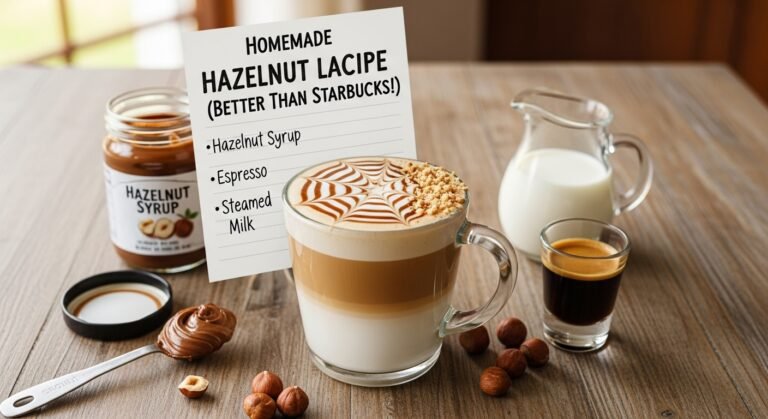
There’s something irresistibly cozy about wrapping your hands around a warm hazelnut latte on a chilly morning. This homemade hazelnut latte recipe brings the coffeehouse experience right into your kitchen, combining rich espresso with creamy steamed milk and the sweet, nutty flavor of hazelnut syrup. Whether you’re looking to save money on your daily coffee run or simply want to master the art of making café-quality drinks at home, this recipe is your new best friend.
Perfect for busy weekday mornings, lazy weekend brunches, or as an afternoon pick-me-up, this hazelnut latte is endlessly customizable and surprisingly simple to make. You don’t need to be a trained barista to pull this off—just a few quality ingredients and basic equipment will have you sipping on coffeehouse-worthy lattes whenever the craving strikes. Serve it hot for maximum comfort or pour it over ice for a refreshing summer treat.
History / Background
The hazelnut latte has become one of the most beloved coffee drinks in America, particularly after Starbucks introduced their hazelnut syrup as a permanent menu option in the 1990s. However, the marriage of coffee and hazelnuts has much deeper European roots, particularly in Italy and France, where hazelnut has long been a cherished flavoring in desserts and beverages.
In Italy, where espresso culture reigns supreme, the combination of caffè and nocciola (hazelnut) has been enjoyed for generations. Italian cafés have served hazelnut-flavored coffees and hot chocolates since the early 20th century, drawing inspiration from the abundant hazelnut groves of Piedmont, particularly around the town of Alba. This region is famous for producing some of the world’s finest hazelnuts, which find their way into everything from gianduja chocolate to Frangelico liqueur.
The American coffee revolution of the 1980s and 1990s transformed coffee from a simple morning ritual into an artisanal experience. As specialty coffee shops proliferated across the United States, flavored lattes became a signature offering, with hazelnut emerging as one of the most popular choices alongside vanilla and caramel. The sweet, buttery notes of hazelnut complement the bitter richness of espresso perfectly, creating a balanced drink that appeals to both coffee purists and those who prefer their caffeine with a touch of sweetness.
Today, the hazelnut latte remains a coffeehouse staple and has inspired countless home baristas to recreate this comforting beverage in their own kitchens. Making it at home not only saves money but also allows you to control the quality of ingredients and customize the sweetness level to your exact preference.
Why You’ll Love This Recipe
This homemade hazelnut latte recipe is about to become your go-to morning ritual. It delivers all the coffeehouse flavor you crave without the premium price tag, and it’s so simple that you’ll wonder why you didn’t start making it sooner. The combination of freshly brewed espresso, velvety steamed milk, and aromatic hazelnut syrup creates a drink that’s both indulgent and energizing.
Here’s why this recipe deserves a permanent spot in your morning routine:
- Budget-friendly: Save $5-7 per drink by making it at home—that’s over $100 per month if you’re a daily coffee drinker
- Ready in 5 minutes: Faster than driving to the coffee shop and waiting in line
- Customizable sweetness: Control exactly how much hazelnut flavor and sweetness you prefer
- Café-quality results: Achieve that perfect foam and rich flavor without professional equipment
- No special skills required: Even beginners can master this with basic kitchen tools
- Year-round versatility: Enjoy it hot in winter or iced during summer months
- Impressive for guests: Serve at brunch gatherings and watch everyone ask for the recipe
- Healthier option: Know exactly what goes into your drink—no mystery ingredients or excessive sugar
Ingredient Notes
The beauty of a great hazelnut latte lies in its simplicity. You only need a handful of quality ingredients to create coffeehouse magic. Let’s break down each component and why it matters.
Espresso or Strong Coffee: The foundation of any great latte is quality coffee. Espresso provides the most authentic flavor with its concentrated, bold taste, but strong brewed coffee works wonderfully too. If using regular coffee, brew it double-strength for the best results. Dark roast varieties complement hazelnut particularly well, while medium roasts offer a more balanced flavor profile. Instant espresso powder dissolved in hot water works in a pinch.
Milk: Whole milk creates the creamiest, most luxurious foam with its higher fat content, delivering that velvety texture you expect from a premium latte. However, 2% milk also froths beautifully if you’re watching calories. For dairy-free options, oat milk is the gold standard for barista-style foam, followed by almond milk. Avoid coconut milk unless you enjoy that distinct tropical flavor, as it can overpower the hazelnut notes.
Hazelnut Syrup: This is where the magic happens. You can purchase commercial hazelnut syrup from brands like Torani or Monin, or make your own homemade version by simmering equal parts sugar and water with hazelnut extract. Homemade syrup lets you control sweetness and avoid corn syrup or artificial ingredients. Look for syrups that list natural hazelnut flavoring rather than artificial flavors for the best taste.
Optional Toppings: Whipped cream adds decadence, while a sprinkle of cocoa powder or cinnamon provides visual appeal and complementary flavor. Crushed hazelnuts on top aren’t traditional but add a delightful textural contrast and reinforce the hazelnut theme.
Equipment Needed
You don’t need a professional espresso machine to make an amazing hazelnut latte at home, though it certainly helps. Here’s what you’ll need:
- Espresso machine or coffee maker: For brewing your coffee base
- Milk frother: A handheld electric frother ($10-20) works perfectly; alternatively, use a French press or a jar with a tight lid for manual frothing
- Small saucepan: For heating milk if you don’t have a frother with heating capability
- Kitchen thermometer: Optional but helpful to heat milk to the ideal temperature (150-155°F)
- Measuring spoons and cup: For accurate proportions
- Coffee mug (12-16 oz): Choose your favorite large mug for the perfect latte experience
- Spoon: For stirring and creating patterns if you’re feeling artistic
Print

Hazelnut Latte Recipe
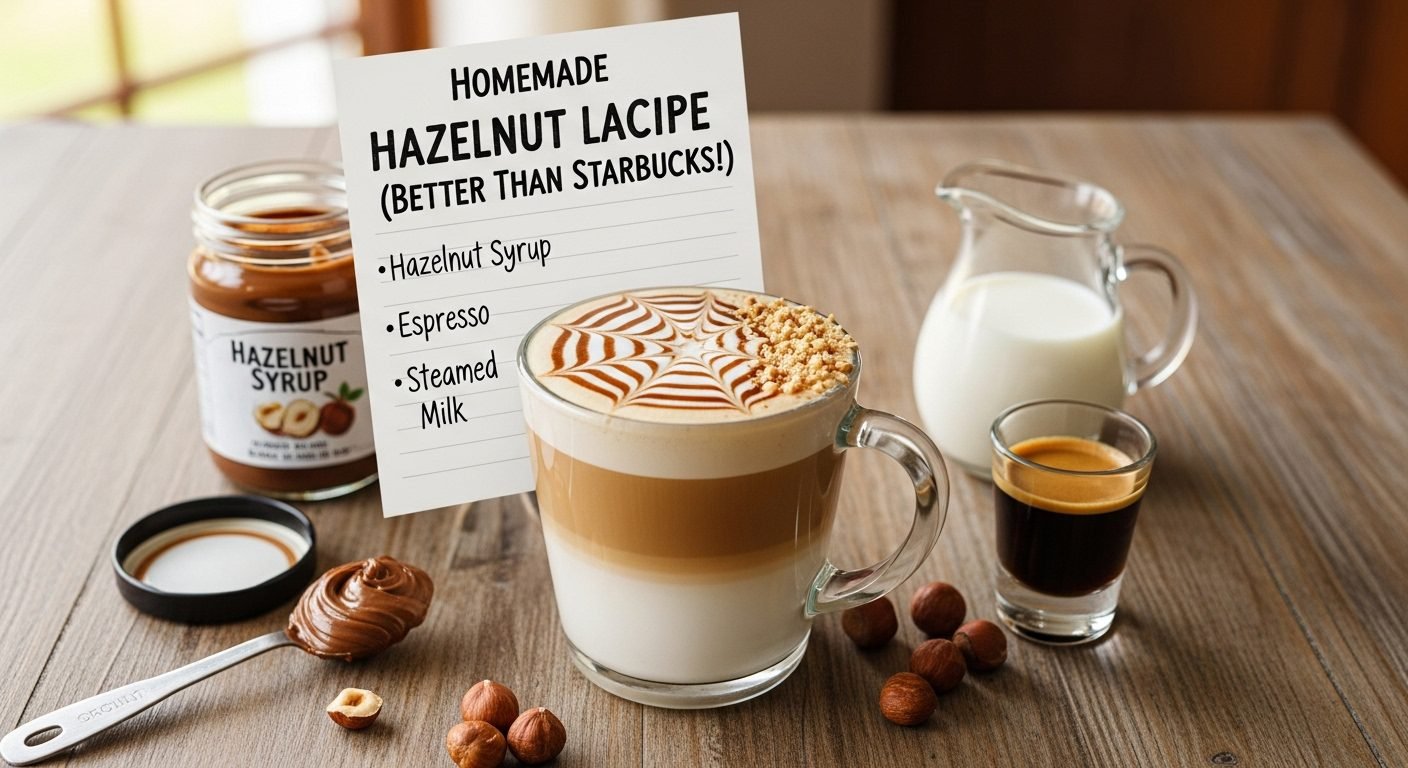
This homemade hazelnut latte rivals anything you’d order at your favorite coffee shop. Rich espresso combines with sweet hazelnut syrup and creamy steamed milk to create the perfect morning pick-me-up or afternoon treat. Customize the sweetness to your liking and top with foam for that authentic café experience.
- Total Time: 5 minutes
- Yield: 1 serving 1x
Ingredients
Scale- 2 shots espresso (or ½ cup strong brewed coffee)
- 1 cup whole milk (or milk of choice)
- 2 tablespoons hazelnut syrup (adjust to taste)
- Whipped cream (optional, for topping)
- Cocoa powder or cinnamon (optional, for garnish)
- Crushed hazelnuts (optional, for garnish)
Instructions
- Brew the espresso: Pull 2 shots of espresso using your espresso machine, or brew ½ cup of strong coffee using your preferred method. If using a regular coffee maker, use twice the amount of coffee grounds you normally would for a bolder flavor. Pour the hot espresso into your serving mug.
- Add hazelnut syrup: Immediately stir in 2 tablespoons of hazelnut syrup while the espresso is hot. This helps the syrup dissolve completely and distribute evenly throughout the drink. Taste and adjust sweetness if needed—you can always add more but can’t take it away.
- Heat the milk: Pour 1 cup of milk into a small saucepan and heat over medium heat, stirring occasionally, until it reaches 150-155°F (just before it begins to simmer). You’ll see small bubbles forming around the edges, but don’t let it boil. If you’re using a milk frother with a heating function, follow the manufacturer’s instructions.
- Froth the milk: Remove the saucepan from heat. If using a handheld frother, insert it into the milk and turn it on, moving it up and down slightly to incorporate air and create foam. Froth for 30-45 seconds until the milk becomes creamy and develops a light foam layer on top. For manual frothing, pour hot milk into a French press and pump the plunger vigorously for 30 seconds, or pour into a jar with a tight lid and shake vigorously for 30-60 seconds.
- Combine and serve: Pour the steamed milk into the mug with espresso and hazelnut syrup, holding back the foam with a spoon. Once most of the milk is poured, spoon the foam on top. The ideal ratio is about 1 part espresso to 3 parts milk with a thin layer of foam.
- Garnish: If desired, top with a dollop of whipped cream and dust with cocoa powder, cinnamon, or crushed hazelnuts. Serve immediately while hot and enjoy your homemade coffeehouse creation.
Notes
- For an iced hazelnut latte, brew espresso or coffee and let it cool slightly. Stir in hazelnut syrup, then pour over ice and add cold milk. Skip the frothing step.
- Adjust the hazelnut syrup to taste—start with 1 tablespoon if you prefer less sweetness, or go up to 3 tablespoons for an extra-sweet treat.
- The key to good foam is using cold milk from the refrigerator and incorporating air while heating.
- If your milk gets too hot (over 160°F), it can develop a burnt taste and won’t froth as well.
- For a sugar-free version, use sugar-free hazelnut syrup.
- Prep Time: 2 minutes
- Cook Time: 3 minutes
- Category: Beverage
- Method: Stovetop/Espresso Machine
- Cuisine: Italian
- Diet: Gluten Free
Nutrition
- Serving Size: 1 latte (12 oz)
- Calories: 210
- Sugar: 22g
- Sodium: 105mg
- Fat: 8g
- Saturated Fat: 5g
- Unsaturated Fat: 2g
- Trans Fat: 0g
- Carbohydrates: 25g
- Fiber: 0g
- Protein: 9g
- Cholesterol: 30mg
Tips & Variations
Make it iced: For a refreshing summer version, brew your espresso and let it cool for 5 minutes. Add hazelnut syrup and stir well, then pour over a glass filled with ice. Top with cold milk (no need to heat or froth) and stir. You can also add a splash of cream for extra richness.
Dairy-free perfection: Oat milk creates the best dairy-free foam and has a naturally sweet, creamy taste that complements hazelnut beautifully. Barista-blend oat milk is specifically formulated for frothing. Almond milk works well too, though it produces lighter foam. Soy milk froths excellently but can curdle if your espresso is too acidic.
Double hazelnut delight: Add ½ teaspoon of hazelnut extract along with the syrup for an even more pronounced hazelnut flavor. You can also rim your mug with melted Nutella for an extra-indulgent experience.
Spiced version: Add a pinch of cinnamon, nutmeg, or cardamom to the milk while heating for a warming, spiced variation perfect for fall and winter months.
Chocolate hazelnut latte: Stir in 1 tablespoon of cocoa powder or chocolate syrup along with the hazelnut syrup for a drink that tastes like liquid Ferrero Rocher candy.
Sugar-free option: Use sugar-free hazelnut syrup (Torani and Jordan’s Skinny Syrups both make excellent versions) to reduce calories and carbs while maintaining that delicious hazelnut flavor.
Protein boost: Add a scoop of vanilla protein powder to the milk before frothing for a post-workout treat that keeps you fueled.
Stronger coffee flavor: Use 3 shots of espresso instead of 2, or reduce the milk to ¾ cup for a more espresso-forward drink.
Pro Chef Tips
Temperature is everything: The ideal temperature for steamed milk is between 150-155°F. Any hotter and you’ll scorch the milk, creating a burnt taste that ruins the delicate hazelnut flavor. Invest in a simple thermometer if you’re serious about perfecting your lattes.
Cold milk froths best: Always start with cold milk straight from the refrigerator. The temperature difference between cold milk and the heat source creates better microfoam—those tiny, velvety bubbles that make lattes so creamy. Room temperature milk won’t achieve the same results.
Quality syrup makes a difference: Not all hazelnut syrups are created equal. Look for brands that use natural flavoring rather than artificial. Torani, Monin, and DaVinci are professional-grade options that baristas actually use. The ingredient list should be short and recognizable.
Layer like a pro: When pouring steamed milk into espresso, pour from a height at first to mix the layers, then lower your pitcher close to the surface of the drink to create that signature foam top. This technique creates a better integrated flavor while maintaining that Instagram-worthy appearance.
Fresh espresso matters: Espresso begins losing its flavor within seconds of brewing, so work quickly. Have your syrup and milk ready to go before you pull your shots. This ensures you’re capturing all those rich coffee oils and aromatic compounds at their peak.
Create microfoam, not bubbles: The goal is to create tiny, uniform bubbles (microfoam) rather than large, soapy bubbles. Keep your frother just below the surface of the milk and avoid incorporating too much air too quickly. The milk should look glossy and have a paint-like consistency when you’re done.
Common Mistakes to Avoid
Over-heating the milk: This is the number one mistake home baristas make. Milk scalded above 160°F tastes burnt and loses its natural sweetness. It also won’t froth properly because the proteins begin to break down. Remove from heat as soon as you see steam rising and tiny bubbles forming around the edges.
Using pre-ground coffee that’s gone stale: Coffee begins losing flavor within minutes of grinding. If you’re using pre-ground coffee that’s been sitting in your pantry for weeks, you’re starting with a compromised base. For the best results, grind whole beans immediately before brewing, or at least buy smaller quantities of pre-ground coffee and store it in an airtight container.
Adding syrup to cold espresso: Always add your hazelnut syrup while the espresso is piping hot. This helps it dissolve completely and prevents that sticky, undissolved syrup situation at the bottom of your mug. Give it a good stir to ensure even distribution.
Frothing at the wrong angle: When using a handheld frother, keep the wand tilted slightly and positioned just below the milk’s surface. If you go too deep, you’ll heat the milk without creating foam. Too shallow, and you’ll create large bubbles that dissipate quickly rather than that creamy microfoam you’re after.
Skipping the preheat: If you’re making a hot latte, warm your mug first by filling it with hot water while you prepare your espresso. Pour out the water right before adding your drink. This keeps your latte hot longer and prevents the cold mug from immediately cooling down your carefully crafted beverage.
Storage & Meal Prep
Leftover latte: Unfortunately, prepared lattes don’t store well. The espresso becomes bitter, the milk separates, and the foam disappears completely. It’s best to make lattes fresh each time. However, if you absolutely must save one, refrigerate it in an airtight container for up to 4 hours and reheat gently on the stovetop or in the microwave at 50% power. Don’t expect the same quality or texture.
Brewed espresso: If you’ve pulled extra shots, you can store them in the refrigerator for up to 24 hours in an airtight container. Reheat gently before using, though the flavor won’t be quite as bright as fresh espresso. Alternatively, pour leftover espresso into ice cube trays and freeze for up to 2 months—perfect for iced lattes later.
Hazelnut syrup: Homemade hazelnut syrup stores beautifully in an airtight container in the refrigerator for up to 1 month. Commercial syrups last even longer—check the bottle for specific storage instructions, but most remain good for several months after opening when refrigerated.
Batch prep milk: You can measure out individual portions of milk into small containers and keep them refrigerated for up to 5 days, making your morning routine even faster. Just grab, heat, and froth.
Make-Ahead & Freezer Notes
Prep your station: Set up a dedicated coffee station with all your tools, syrups, and mugs easily accessible. Measure your hazelnut syrup into a small container with a pour spout for quick dispensing. This makes the process smoother on busy mornings.
Homemade syrup batch: Make a large batch of homemade hazelnut syrup (4 cups water, 4 cups sugar, 2-3 tablespoons hazelnut extract) and store it in mason jars or swing-top bottles. This lasts for weeks in the refrigerator and saves you money compared to buying individual bottles of commercial syrup.
Coffee ice cubes: Freeze leftover coffee or espresso in ice cube trays. Use these instead of regular ice for iced hazelnut lattes so your drink doesn’t get watered down as the ice melts. This is a game-changer for summer coffee drinks.
Not freezer-friendly: Unfortunately, you cannot freeze prepared lattes. The milk and coffee separate upon thawing, and the texture becomes grainy and unappetizing. Always make lattes fresh.
Pre-portion ingredients: On Sunday evening, set up individual portions for the week—measure hazelnut syrup into small containers or use a syrup pump bottle, and even pre-measure coffee beans if you’re grinding fresh each morning. This five-minute prep session makes weekday mornings effortless.
Serving Suggestions
A hazelnut latte is delicious on its own, but pairing it with the right foods elevates the entire experience. Here are some perfect companions:
For breakfast: Serve alongside buttery croissants, almond biscotti for dunking, blueberry muffins, cinnamon rolls, or banana bread. The nutty notes in the latte complement baked goods beautifully, especially those featuring cinnamon, chocolate, or fruit.
Brunch pairings: Your hazelnut latte is the perfect accompaniment to eggs Benedict, avocado toast, French toast with maple syrup, or a veggie frittata. The richness of the latte balances savory dishes while complementing sweeter breakfast options.
Sweet treats: Pair with chocolate chip cookies, brownies, tiramisu, cannoli, hazelnut macarons, or a slice of coffee cake. Anything with chocolate and hazelnut is a natural match—think Nutella-filled pastries or Ferrero Rocher chocolates.
Afternoon snack: Enjoy with a cheese Danish, scones with jam and cream, pound cake, or shortbread cookies. The latte’s sweetness complements buttery, not-too-sweet baked goods particularly well.
Savory options: If you prefer savory breakfast foods, a hazelnut latte pairs surprisingly well with bacon, ham and cheese croissants, quiche, or a breakfast sandwich. The sweet latte provides nice contrast to salty, savory flavors.
FAQs Section
Can I make a hazelnut latte without an espresso machine?
Absolutely! While espresso provides the most authentic flavor, you have several alternatives. Use a Moka pot (stovetop espresso maker) for strong, concentrated coffee. A French press or AeroPress also produces rich, full-bodied coffee that works wonderfully in lattes. Even instant espresso powder dissolved in a small amount of hot water creates a decent base. The key is making your coffee stronger than usual—use twice the amount of grounds you normally would.
What’s the best milk for frothing at home?
Whole milk creates the creamiest, most stable foam due to its higher fat content (about 3.5%), making it the gold standard for lattes. The fat helps create those tiny, velvety bubbles. If you’re looking for a lower-calorie option, 2% milk also froths well, though the foam is slightly less rich. For dairy-free options, oat milk (especially barista blends) performs exceptionally well and has become the preferred choice in many professional coffee shops. The proteins and fats in oat milk closely mimic dairy milk’s frothing properties.
How do I make my own hazelnut syrup at home?
Making homemade hazelnut syrup is incredibly easy and much more affordable than buying commercial brands. Combine 1 cup water and 1 cup granulated sugar in a saucepan over medium heat. Stir until the sugar completely dissolves, then remove from heat and stir in 1-2 tablespoons of hazelnut extract (adjust to taste preference). Let cool completely, then transfer to a clean bottle or jar. Store refrigerated for up to 1 month. Some people like to add a touch of vanilla extract (½ teaspoon) for added depth of flavor.
Can I make this latte sugar-free or keto-friendly?
Yes! Use sugar-free hazelnut syrup, which is widely available from brands like Torani, Jordan’s Skinny Syrups, or DaVinci Gourmet. These use sweeteners like sucralose or monk fruit instead of sugar. For a keto-friendly version, use sugar-free syrup and replace regular milk with unsweetened almond milk, coconut milk, or heavy cream diluted with water (mix ¼ cup heavy cream with ¾ cup water). Keep in mind that non-dairy milks may not froth as well as whole milk.
Why doesn’t my milk foam properly?
Several factors affect milk frothing. First, ensure your milk is cold from the refrigerator—cold milk creates better foam. Second, don’t overheat it; milk above 160°F won’t foam well because the proteins break down. Third, use fresh milk; milk near its expiration date has altered proteins that won’t froth properly. Finally, technique matters—keep your frother just below the surface of the milk and move it gently to incorporate air. If using non-dairy milk, choose barista-blend versions specifically formulated for frothing.
How can I reduce the calories in my hazelnut latte?
There are several ways to lighten up your latte without sacrificing flavor. Use 2% or skim milk instead of whole milk to cut fat calories. Use sugar-free hazelnut syrup to eliminate most of the sugar calories. Skip the whipped cream topping, which adds about 50-100 calories. You can also reduce the amount of milk and increase the espresso for a stronger, less caloric drink. An 8-ounce hazelnut latte made with skim milk and sugar-free syrup contains only about 60-80 calories.
How long does hazelnut latte stay fresh, and can I make it ahead?
Unfortunately, lattes are best enjoyed immediately after preparation. The espresso becomes bitter as it sits, the milk separates, and that beautiful foam disappears within minutes. If you absolutely need to save time in the morning, prep your ingredients the night before—measure out your milk, have your mug ready, and pre-measure syrup. The entire drink-making process only takes 5 minutes, so it’s better to make it fresh each time rather than preparing it in advance. For iced versions, you have slightly more flexibility—you can prepare the coffee and syrup mixture a few hours ahead and store it in the refrigerator, then add ice and cold milk when ready to drink.
Conclusion
Making a homemade hazelnut latte is one of those small luxuries that can completely transform your morning routine. Once you master this simple recipe, you’ll wonder why you ever spent $6 at the coffee shop when you can create the same delicious drink in your own kitchen for a fraction of the cost. The rich espresso, sweet hazelnut syrup, and creamy steamed milk come together in perfect harmony, delivering that coffeehouse experience you crave without ever leaving home.
The beauty of this recipe lies in its flexibility—you can adjust the sweetness, try different milk options, make it iced for warmer weather, or add your own creative twists. Whether you’re treating yourself to a quiet morning moment, impressing guests at weekend brunch, or simply saving money on your daily coffee habit, this hazelnut latte recipe has you covered.
So grab your favorite mug, fire up your espresso machine, and get ready to fall in love with your new morning ritual. Don’t forget to save this recipe to your Pinterest boards so you can find it easily whenever that hazelnut latte craving hits. And if you try it out, I’d love to hear how it turned out—leave a comment below and let me know if you added any special twists! Happy sipping, friends!