Classic French 75 Cocktail Recipe – Elegant, Bubbly & Perfect for Celebrations
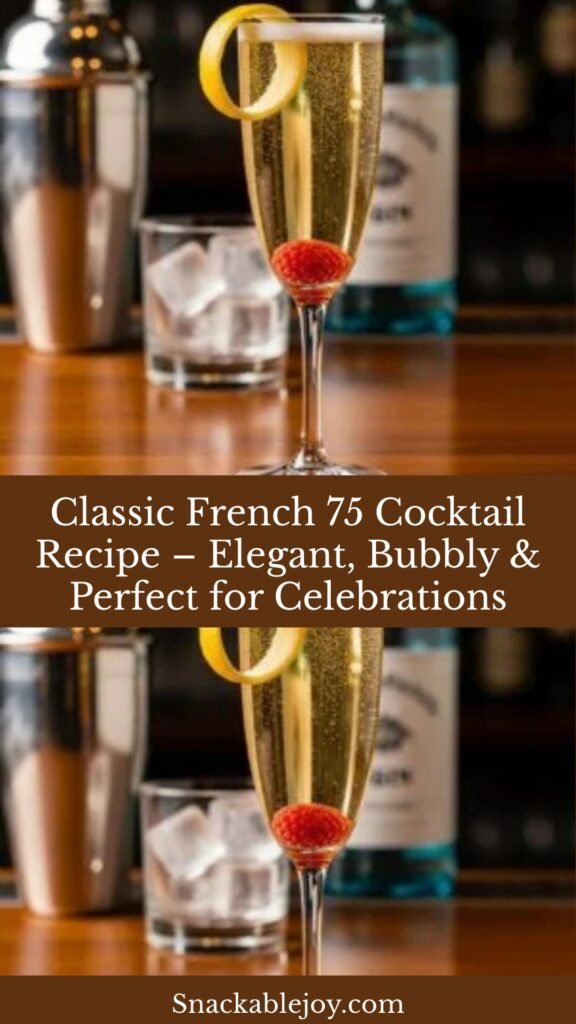
If you’re looking for a cocktail that screams sophistication while being surprisingly easy to make, the French 75 is your answer. This iconic champagne cocktail combines gin, fresh lemon juice, simple syrup, and sparkling champagne or prosecco to create a drink that’s both elegant and dangerously delicious. Light, bubbly, and refreshing with a perfect balance of citrus and sweetness, the French 75 has been a favorite at upscale bars and celebrations for over a century.
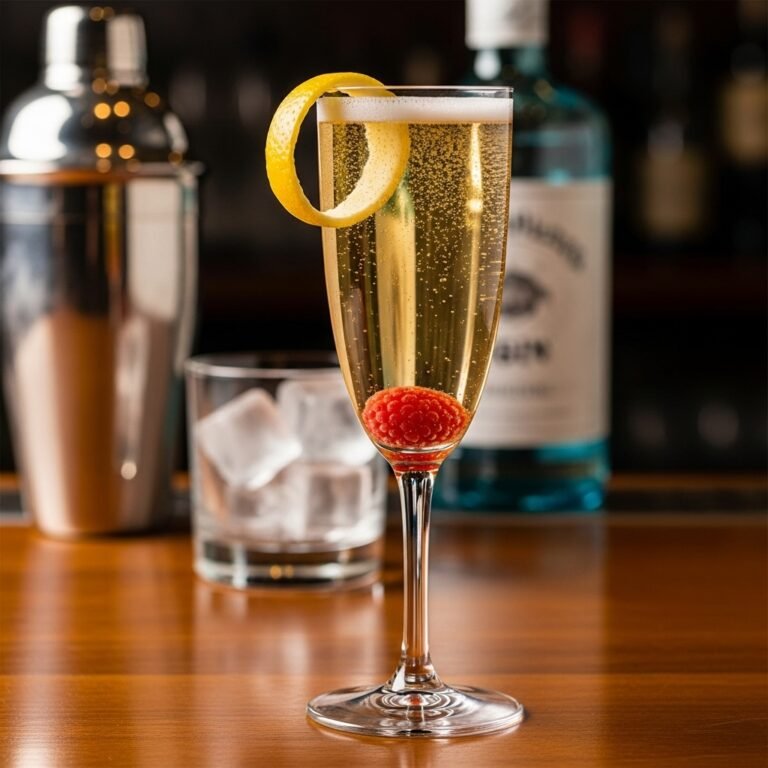
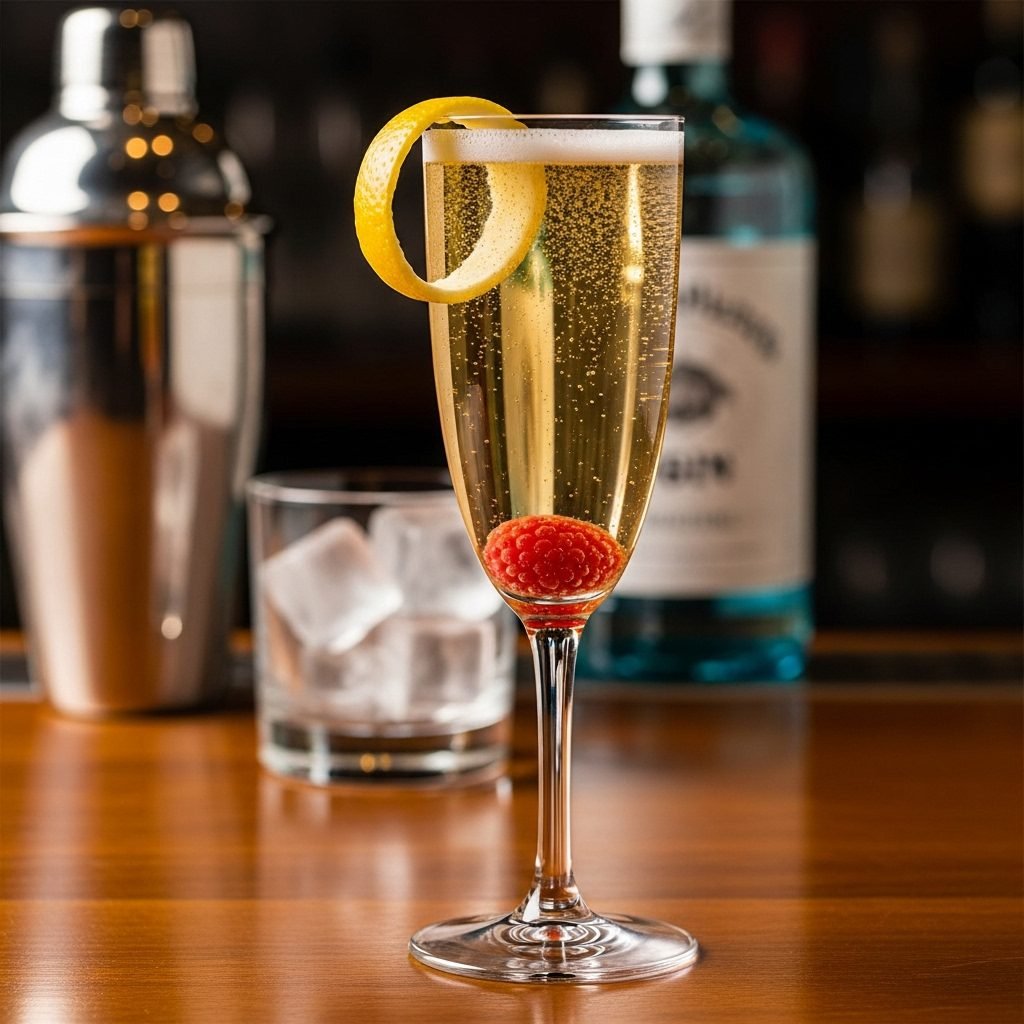
What makes the French 75 so special is its incredible versatility. It’s fancy enough for New Year’s Eve, wedding receptions, and anniversary dinners, yet simple enough to whip up for a Friday night at home when you want to feel a little fancy. The drink’s beautiful presentation – typically served in a champagne flute with a delicate lemon twist – makes it absolutely Instagram-worthy and perfect for those Pinterest-perfect celebration photos.
I absolutely love making French 75s because they strike that rare balance between impressive and accessible. You only need four ingredients, no complicated techniques, and about five minutes of your time. The combination of botanical gin with bright lemon and celebratory bubbles creates a flavor profile that’s complex and sophisticated without being overly sweet or heavy. Whether you’re toasting a special occasion or just making your Tuesday feel more festive, this timeless cocktail delivers elegance in every sip.
History & Background of the French 75
The French 75 has a fascinating and somewhat debated history that adds to its mystique and appeal. The cocktail was created during World War I and is named after the French 75mm field gun, a powerful piece of artillery that was renowned for its accuracy and speed. The drink earned this name because, like the weapon, it had a reputation for delivering quite a “kick” – the combination of gin and champagne packed a punch that could sneak up on unsuspecting drinkers.
While the exact origins are disputed, most cocktail historians credit the French 75’s invention to Harry MacElhone, an American bartender who worked at the New York Bar in Paris (later renamed Harry’s New York Bar) around 1915. This legendary bar became a gathering place for American expatriates, soldiers on leave, and literary figures during and after the war. The French 75 quickly became a symbol of celebration and survival during difficult wartime years.
However, some historians point to an earlier creation at the bar of the Stork Club in London around 1915, or even trace it back to French bartender Henry Têpê. Regardless of its exact birthplace, the French 75 gained international fame in Paris and became synonymous with the sophisticated cocktail culture of the 1920s.
The original recipe actually used cognac instead of gin, and this cognac version is sometimes called a “French 75” or “French 76” depending on who you ask. The gin version became standard in the 1930 edition of “The Savoy Cocktail Book,” one of the most influential cocktail guides ever published. This London dry gin recipe is what most bartenders consider the classic French 75 today.
The cocktail experienced a revival during the craft cocktail renaissance of the early 2000s, when bartenders began rediscovering classic pre-Prohibition and World War I-era drinks. The French 75’s elegant simplicity and sophisticated flavor profile made it a natural fit for modern cocktail menus. Today, it’s a staple at upscale bars worldwide and has become the signature cocktail for celebrations ranging from weddings to New Year’s Eve parties.
What’s particularly special about the French 75 is its enduring appeal across generations. Unlike many trendy cocktails that fade into obscurity, this drink has remained consistently popular for over 100 years because of its perfect balance, beautiful presentation, and that magical combination of gin’s botanicals with champagne’s celebratory effervescence.
Why You’ll Love This French 75 Recipe
This French 75 recipe is about to become your go-to celebration cocktail, and I’m not exaggerating when I say it will make you feel like you’re sipping champagne at a Parisian café. I’ve made this for countless special occasions – from intimate anniversary dinners to larger holiday parties – and it never fails to impress. There’s something wonderfully elegant about serving a cocktail with this much history and sophistication, knowing it took you less than five minutes to make.
Here’s why this recipe deserves a spot in your cocktail repertoire:
- Incredibly Elegant – Looks and tastes like something from a high-end cocktail bar
- Deceptively Simple – Just 4 ingredients and 5 minutes from start to finish
- Perfectly Balanced – Not too sweet, not too tart, with sophisticated complexity
- Celebration-Worthy – Those bubbles make everything feel more festive
- Refreshing & Light – Perfect for warm weather and daytime celebrations
- Impressive Presentation – Stunning in a champagne flute with lemon twist garnish
- Customizable Strength – Easy to adjust the gin-to-champagne ratio to your preference
- Classic with History – Serving a 100+ year old cocktail adds conversation-worthy appeal
- Budget-Friendly Luxury – Tastes expensive but uses affordable ingredients
- Versatile Occasion – Appropriate for everything from brunch to midnight toasts
- Scales Easily – Make one drink or batch the base for a crowd
- Low-Calorie Option – Lighter than many cocktails without sacrificing flavor
Ingredient Notes
Gin: The botanical spirit that gives the French 75 its distinctive character and complexity. London Dry gin is traditional and works beautifully – brands like Beefeater, Tanqueray, or Bombay Sapphire are excellent choices in the $20-30 range. The juniper and botanical flavors add depth that balances the bright citrus and sweet champagne. Substitution: For a more floral version, try a contemporary gin like Hendrick’s or The Botanist. If you don’t have gin, cognac or brandy creates the original variation (sometimes called a French 76), or vodka makes a neutral-flavored version. Each spirit creates a noticeably different cocktail, so choose based on your preference.
Fresh Lemon Juice: This is absolutely non-negotiable – you must use freshly squeezed lemon juice, never bottled! Fresh lemon juice provides bright, vibrant acidity that balances the sweetness and brings the whole cocktail to life. Bottled lemon juice tastes flat, artificial, and will ruin your French 75. One medium lemon yields about 2-3 tablespoons of juice, so you’ll need one lemon per 2 cocktails. Pro tip: Roll the lemon on your countertop with firm pressure before cutting – this breaks down the membranes and releases more juice.
Simple Syrup: This sweetener balances the tart lemon juice and gin’s botanicals without adding graininess like granulated sugar would. Simple syrup is just equal parts sugar and water heated until dissolved, then cooled. You can buy it pre-made or easily make it at home (see notes). Substitution: Honey syrup (honey thinned with warm water) adds floral complexity, agave nectar works for a slightly different sweetness profile, or superfine sugar can be used in a pinch (shake vigorously to dissolve).
Champagne or Prosecco: The star that makes this cocktail sparkle! You don’t need expensive Dom Pérignon, but don’t use the cheapest bottle either. Choose a brut (dry) or extra-brut champagne or prosecco in the $12-20 range for the best balance. Prosecco is more affordable and slightly sweeter than champagne, making it a popular choice. Spanish cava is another excellent, budget-friendly option. The bubbles add celebration and lighten the drink, keeping it refreshing rather than heavy. Important: Always keep your bubbly well-chilled (at least 4 hours in the refrigerator) before mixing.
Lemon Twist (Garnish): More than just decoration, a lemon twist adds aromatic oils and a beautiful visual element. The essential oils in lemon peel provide fragrance that enhances your first sip. Always use fresh lemon peel, not bottled twists or dehydrated garnishes.
Equipment Needed
The French 75 requires minimal equipment, making it perfect for home bartenders:
- Cocktail Shaker – Essential for mixing the gin, lemon juice, and simple syrup with ice. A Boston shaker or cobbler shaker both work perfectly
- Jigger or Measuring Tools – For accurate measurements (1 oz and ½ oz measurements needed)
- Champagne Flutes – Traditional presentation vessel that showcases the bubbles beautifully. Coupe glasses are a stylish alternative
- Citrus Juicer – Handheld, electric, or manual reamer for fresh lemon juice
- Fine-Mesh Strainer – To strain the shaken mixture into your glass, removing ice chips and pulp
- Knife and Cutting Board – For cutting lemons and creating lemon twists
- Bar Spoon or Regular Spoon – For gently stirring if needed
- Vegetable Peeler or Channel Knife – For creating perfect lemon twists (optional but recommended)
- Ice Cubes – For shaking; make sure you have plenty
Print

French 75 Recipe
The classic French 75 is an elegant champagne cocktail made with gin, fresh lemon juice, simple syrup, and sparkling champagne or prosecco. This sophisticated, refreshing drink has been a celebration favorite for over 100 years. Light, bubbly, and perfectly balanced – it’s luxury in a glass!
- Total Time: 5 minutes
- Yield: 1 cocktail 1x
Ingredients
Scale- 1 oz (2 tablespoons) London Dry gin
- ½ oz (1 tablespoon) fresh lemon juice
- ½ oz (1 tablespoon) simple syrup
- 3-4 oz chilled champagne or prosecco (about ½ cup)
- Lemon twist for garnish
- Ice cubes for shaking
For Simple Syrup (makes about 1 cup):
- ½ cup granulated sugar
- ½ cup water
Instructions
Fresh Lemon Juice: This is absolutely non-negotiable – you must use freshly squeezed lemon juice, never bottled! Fresh lemon juice provides bright, vibrant acidity that balances the sweetness and brings the whole cocktail to life. Bottled lemon juice tastes flat, artificial, and will ruin your French 75. One medium lemon yields about 2-3 tablespoons of juice, so you’ll need one lemon per 2 cocktails. Pro tip: Roll the lemon on your countertop with firm pressure before cutting – this breaks down the membranes and releases more juice.
Simple Syrup: This sweetener balances the tart lemon juice and gin’s botanicals without adding graininess like granulated sugar would. Simple syrup is just equal parts sugar and water heated until dissolved, then cooled. You can buy it pre-made or easily make it at home (see notes). Substitution: Honey syrup (honey thinned with warm water) adds floral complexity, agave nectar works for a slightly different sweetness profile, or superfine sugar can be used in a pinch (shake vigorously to dissolve).
Champagne or Prosecco: The star that makes this cocktail sparkle! You don’t need expensive Dom Pérignon, but don’t use the cheapest bottle either. Choose a brut (dry) or extra-brut champagne or prosecco in the $12-20 range for the best balance. Prosecco is more affordable and slightly sweeter than champagne, making it a popular choice. Spanish cava is another excellent, budget-friendly option. The bubbles add celebration and lighten the drink, keeping it refreshing rather than heavy. Important: Always keep your bubbly well-chilled (at least 4 hours in the refrigerator) before mixing.
Lemon Twist (Garnish): More than just decoration, a lemon twist adds aromatic oils and a beautiful visual element. The essential oils in lemon peel provide fragrance that enhances your first sip. Always use fresh lemon peel, not bottled twists or dehydrated garnishes.
Equipment Needed
The French 75 requires minimal equipment, making it perfect for home bartenders:
- Cocktail Shaker – Essential for mixing the gin, lemon juice, and simple syrup with ice. A Boston shaker or cobbler shaker both work perfectly
- Jigger or Measuring Tools – For accurate measurements (1 oz and ½ oz measurements needed)
- Champagne Flutes – Traditional presentation vessel that showcases the bubbles beautifully. Coupe glasses are a stylish alternative
- Citrus Juicer – Handheld, electric, or manual reamer for fresh lemon juice
- Fine-Mesh Strainer – To strain the shaken mixture into your glass, removing ice chips and pulp
- Knife and Cutting Board – For cutting lemons and creating lemon twists
- Bar Spoon or Regular Spoon – For gently stirring if needed
- Vegetable Peeler or Channel Knife – For creating perfect lemon twists (optional but recommended)
- Ice Cubes – For shaking; make sure you have plenty
📋 French 75 Recipe Card
Prep Time: 5 minutes
Cook Time: 0 minutes
Total Time: 5 minutes
Yield: 1 cocktail
Category: Cocktail/Beverage
Method: Shaking/Mixing
Cuisine: French
Diet: Gluten-Free, Dairy-Free, Vegetarian, VeganDescription
The classic French 75 is an elegant champagne cocktail made with gin, fresh lemon juice, simple syrup, and sparkling champagne or prosecco. This sophisticated, refreshing drink has been a celebration favorite for over 100 years. Light, bubbly, and perfectly balanced – it’s luxury in a glass!
Ingredients
- 1 oz (2 tablespoons) London Dry gin
- ½ oz (1 tablespoon) fresh lemon juice
- ½ oz (1 tablespoon) simple syrup
- 3-4 oz chilled champagne or prosecco (about ½ cup)
- Lemon twist for garnish
- Ice cubes for shaking
For Simple Syrup (makes about 1 cup):
- ½ cup granulated sugar
- ½ cup water
Instructions
Make Simple Syrup (if needed):
- Prepare Simple Syrup Ahead: If you don’t have simple syrup, make it first. Combine ½ cup sugar and ½ cup water in a small saucepan. Heat over medium heat, stirring occasionally, until sugar completely dissolves (about 3-5 minutes). Remove from heat and let cool completely. Store in a sealed container in the refrigerator for up to 1 month. You’ll have plenty for multiple cocktails!
Make the French 75:
- Chill Your Glass: While not required, chilling your champagne flute in the freezer for 10-15 minutes creates an extra-frosty, professional-quality cocktail. This step is optional but recommended for special occasions.
- Prepare Lemon Twist: Using a vegetable peeler or sharp knife, remove a strip of lemon peel about 2-3 inches long and ¾-inch wide, avoiding as much of the white pith as possible (it’s bitter). Set aside for garnish.
- Combine in Shaker: Fill your cocktail shaker about halfway with ice cubes. Add the gin, fresh lemon juice, and simple syrup to the shaker. Make sure your measurements are accurate – precision matters in cocktail making!
- Shake Vigorously: Seal the shaker tightly and shake vigorously for 10-15 seconds. You want to shake hard enough that you hear the ice rattling around and the outside of the shaker becomes frosty. This properly chills and dilutes the mixture while aerating it slightly.
- Strain into Glass: Using a fine-mesh strainer (or the built-in strainer if using a cobbler shaker), strain the mixture into your chilled champagne flute. You should have about 2 ounces of golden liquid in the bottom of the glass. Discard the ice.
- Top with Champagne: Slowly pour chilled champagne or prosecco over the gin mixture, tilting the glass slightly and pouring down the side to minimize foam. Fill to about three-quarters full (3-4 ounces of champagne). The drink will gently mix itself as the champagne is poured – don’t stir!
- Express and Garnish: Hold the lemon twist over the glass with the yellow side facing down. Gently twist it over the drink to release the aromatic oils – you should see a fine mist of citrus oil spray onto the surface. Run the twist around the rim of the glass, then drop it into the cocktail or hang it on the rim as decoration.
- Serve Immediately: Present your French 75 immediately while the bubbles are at their liveliest. The drink is ready to enjoy!
Notes
- Fresh Lemon Juice is Essential: Never use bottled lemon juice. The flavor difference is dramatic and will significantly affect your cocktail’s quality.
- Simple Syrup Storage: Homemade simple syrup keeps for up to 1 month in the refrigerator in a sealed container. Make a batch and you’ll have it ready for multiple cocktails.
- Adjusting Sweetness: Start with ½ oz simple syrup. If you prefer sweeter cocktails, increase to ¾ oz. For a drier drink, reduce to ¼ oz.
- Champagne Choice: Brut (dry) champagne or prosecco is traditional. Extra-brut is even drier, while extra-dry is actually slightly sweeter (confusing, I know!).
- Ratio Flexibility: Some people prefer more champagne (up to 5 oz) for a lighter, bubblier drink. Adjust to your preference.
- Batch Preparation: You can pre-mix the gin, lemon juice, and simple syrup for multiple cocktails, storing in the refrigerator. Add champagne just before serving.
- Prep Time: 5 minutes
- Cook Time: 0 minutes
- Category: ocktail/Beverage
- Method: Shaking/Mixing
- Cuisine: French
- Diet: Gluten Free
Nutrition
- Serving Size: 1 French 75 cocktail
- Calories: 160
- Sugar: 8g
- Sodium: 2mg
- Fat: 0g
- Saturated Fat: 0g
- Unsaturated Fat: 0g
- Trans Fat: 0g
- Carbohydrates: 10g
- Fiber: 0g
- Protein: 0g
- Cholesterol: 0mg
Tips & Variations
Spirit Variations:
- French 76: Use cognac or brandy instead of gin for the original variation
- French 95: Swap gin for bourbon for an American twist
- Vodka French 75: Use vodka for a more neutral, less botanical flavor
- Elderflower French 75: Add ½ oz St. Germain elderflower liqueur for floral notes
Citrus Variations:
- Grapefruit French 75: Replace lemon juice with fresh grapefruit juice for a pink, tart version
- Lime French 75: Use fresh lime juice instead of lemon for a tangier profile
- Blood Orange French 75: Use blood orange juice for a stunning color and unique flavor
- Meyer Lemon French 75: If available, Meyer lemons add a sweeter, more floral citrus note
Bubbly Variations:
- Rosé French 75: Use sparkling rosé instead of champagne for a beautiful pink cocktail
- Prosecco French 75: More affordable and slightly sweeter than champagne
- Cava French 75: Spanish sparkling wine is budget-friendly and delicious
- Non-Alcoholic: Use non-alcoholic gin (like Seedlip) and non-alcoholic sparkling wine
Flavor Enhancements:
- Lavender French 75: Use lavender simple syrup instead of regular
- Honey French 75: Replace simple syrup with honey syrup for deeper sweetness
- Herb-Infused: Add a sprig of fresh thyme, rosemary, or basil before shaking
- Berry French 75: Muddle 2-3 raspberries or blackberries in the shaker before adding other ingredients
Sweetness Adjustments:
- For a drier cocktail: Reduce simple syrup to ¼ oz or omit entirely
- For a sweeter drink: Increase simple syrup to ¾ oz
- Natural sweetness: Add a splash of elderflower liqueur
Presentation Variations:
- Serve in a coupe glass for vintage 1920s glamour
- Use a highball glass with extra ice for a more casual presentation
- Add edible flowers for an ultra-elegant garnish
- Rim the glass with sugar for extra sparkle
Pro Chef Tips
Tip #1: The Cold Factor is Everything
Temperature control separates amateur French 75s from professional ones. Every element should be cold: pre-chill your glass in the freezer for 15 minutes, ensure your champagne has been refrigerated for at least 4 hours, and use plenty of ice when shaking. The colder your cocktail, the better it tastes and the longer those precious bubbles last. Professional bartenders at upscale establishments never skip the glass-chilling step – that frosty glass keeps your French 75 perfectly cold from first sip to last and looks incredibly sophisticated.Tip #2: The Shake Technique Matters
When shaking your French 75 base (gin, lemon, simple syrup), shake hard and shake briefly – 10-15 seconds maximum. You want to chill and slightly dilute the mixture while aerating it just enough to create a silky texture. Under-shaking leaves the drink harsh and under-chilled. Over-shaking (beyond 20 seconds) adds too much water dilution and creates excessive ice chips. Listen for the sound: when you first start shaking, the ice rattles loudly. After proper shaking, the sound becomes duller as the ice begins melting and coating the shaker exterior with frost.Tip #3: Express Your Lemon Twist Properly
This step looks fancy but makes a real difference. When you twist that lemon peel over the drink, you’re releasing essential oils that add aromatic complexity to your first sips. Hold the twist about 2 inches above the glass, yellow side down, and give it a firm twist – you should actually see a fine mist of citrus oil spray onto the surface. Then rub the twist around the rim of the glass before dropping it in. This technique adds fragrance that enhances the drinking experience significantly. Skip this step and you’re missing out on a key layer of flavor.Tip #4: The Gentle Pour for Perfect Bubbles
When adding champagne to your shaken base, pour slowly and gently down the side of a slightly tilted glass. This technique preserves the bubbles and prevents excessive foaming. Pouring aggressively or directly onto the gin mixture creates foam that takes up valuable glass space and causes rapid carbonation loss. Professional bartenders tilt the glass at about 45 degrees and let the champagne flow gently down the inside, which allows the liquids to mix naturally without disturbing the bubbles. Never stir after adding champagne – stirring kills the effervescence.Tip #5: Balance is Personal – Taste and Adjust
The beauty of the French 75 is its flexibility. Some people prefer a more gin-forward version (increase gin to 1.5 oz), while others love extra champagne (use 5 oz for a lighter drink). The classic ratio is a starting point, not a rule. Make your first French 75 according to the recipe, taste it, then adjust future versions to your preference. Some like it sweeter (add more simple syrup), some prefer it more tart (add extra lemon), and some want it boozier (more gin, less champagne). Find your perfect ratio and stick with it.Common Mistakes to Avoid
Mistake #1: Using Bottled Lemon Juice
This is the cardinal sin of French 75 making. Bottled lemon juice tastes flat, artificial, and vaguely chemical – it will absolutely ruin your cocktail. The bright, vibrant acidity of fresh lemon juice is essential to the French 75’s character. It takes literally 30 seconds to squeeze a lemon, and the flavor difference is night and day. If you don’t have fresh lemons, don’t make a French 75. Wait until you can get them. This isn’t being precious; it’s the difference between a sophisticated cocktail and a disappointing drink.Mistake #2: Using Cheap, Harsh Champagne
While you don’t need $50+ champagne, using the absolute cheapest bottle (under $8) creates harsh, overly acidic cocktails. Very cheap sparkling wine often has unpleasant flavors that no amount of gin and lemon can mask. Since champagne is literally half your drink, its quality matters. Spend $12-20 on decent prosecco or cava, and your French 75 will taste restaurant-quality. This is especially important because the French 75 is typically served at celebrations – splurge a little for special occasions.Mistake #3: Not Shaking Enough or Shaking Too Much
Under-shaking is more common and leaves your cocktail warm, harsh, and poorly mixed. You need to shake vigorously for at least 10 seconds to properly chill and integrate the ingredients. However, over-shaking (beyond 20 seconds) adds excessive dilution and creates ice chips that slip past your strainer. The sweet spot is 10-15 seconds of vigorous shaking until the shaker exterior frosts over. Set a timer until you develop muscle memory for the right duration.Mistake #4: Adding Champagne First
Always add the shaken gin mixture to the glass first, then top with champagne – never the reverse. Pouring the gin mixture onto champagne causes explosive foaming and rapid carbonation loss. The proper order creates a gentle, natural mixing as the champagne cascades down through the denser gin base. This seemingly small detail makes a significant difference in bubble retention and overall presentation.Mistake #5: Making It Too Far in Advance
French 75s must be made immediately before serving. The magic is in those fresh, lively bubbles. You can pre-batch the gin, lemon, and simple syrup mixture hours ahead and keep it refrigerated, but never add champagne until the moment you’re ready to serve. Champagne-based cocktails lose their sparkle within 10-15 minutes. If hosting a party, have everything prepped and add champagne to individual glasses as needed rather than trying to make a whole batch at once.Storage & Meal Prep
Storing the Base Mixture:
You can pre-mix the gin, fresh lemon juice, and simple syrup (everything except the champagne) up to 4 hours ahead of time. Store this base mixture in a sealed container in the refrigerator. When ready to serve, shake the base with ice, strain into glasses, and top with fresh champagne. This prep method is perfect for parties where you want to make multiple French 75s quickly without measuring each time.Fresh Lemon Juice Storage:
Freshly squeezed lemon juice can be stored in an airtight container in the refrigerator for up to 24 hours, though it’s best used within 4-6 hours for optimal flavor and brightness. After 24 hours, the juice begins oxidizing and losing its vibrant character. Never freeze fresh lemon juice for use in cocktails – the flavor deteriorates significantly.Simple Syrup Storage:
Homemade simple syrup stores beautifully in the refrigerator for up to 1 month in a sealed container (glass jar or squeeze bottle works great). This long shelf life makes it perfect to batch ahead. Many bartenders keep simple syrup on hand at all times for various cocktails. If you notice any cloudiness or off smell, discard and make fresh.Leftover Champagne:
Opened champagne must be sealed with a proper champagne stopper (those spring-loaded ones) and refrigerated. It will stay bubbly for 1-3 days, though quality and carbonation decline daily. Regular wine corks don’t work – they can’t withstand the pressure and will pop out. Use leftover champagne within 2 days for best results in cocktails.Pre-Batching for Parties:
For large gatherings, you can scale up the base recipe (multiply gin, lemon juice, and simple syrup by number of servings) and store in the refrigerator. Shake individual servings with ice as guests arrive, or set up a DIY station where guests can shake and pour their own. Never pre-mix champagne into the batch – it will go flat.Make-Ahead & Freezer Notes
Best Make-Ahead Strategy:
The French 75 isn’t a make-ahead cocktail in the traditional sense since champagne must be added fresh. However, you can prepare everything else ahead for easy assembly:- 2-3 days ahead: Make simple syrup, refrigerate in sealed container
- Morning of: Juice lemons, store in sealed container in refrigerator (use within 6 hours)
- 2-4 hours ahead: Pre-mix base (gin, lemon, simple syrup), refrigerate
- Just before serving: Shake base with ice, strain, top with champagne
Freezing Considerations:
French 75 cocktails should never be frozen or pre-mixed with champagne and stored. The carbonation doesn’t survive freezing, and the delicate balance of flavors is destroyed. However, you can freeze simple syrup in ice cube trays if you made too much – it lasts indefinitely frozen and thaws quickly.Lemon Twist Prep:
You can cut lemon twists up to 2 hours ahead and store them submerged in water in the refrigerator to keep them fresh and pliable. Pat dry before using. Don’t prepare them too far in advance or they’ll dry out and curl.Party-Prep Timeline for Serving 8-10 People:
- 1 week ahead: Purchase gin and champagne
- 2 days ahead: Make simple syrup
- Morning of party: Juice lemons (you’ll need 5-6 lemons for 10 cocktails), prepare lemon twists
- 1 hour ahead: Pre-mix base (10 oz gin, 5 oz lemon juice, 5 oz simple syrup)
- As guests arrive: Shake 1.5 oz base per cocktail with ice, strain, top with champagne
- Throughout party: Repeat as needed
Quick Assembly Station:
Set up a cocktail station with: pre-measured base mixture in a pitcher, cocktail shaker, ice bucket, strainer, champagne on ice, prepared lemon twists, and champagne flutes. You or a designated friend can make fresh French 75s in under 60 seconds each with this setup.Serving Suggestions
Perfect Food Pairings:
Elegant Appetizers:
French 75s pair beautifully with sophisticated hors d’oeuvres. Serve alongside oysters on the half shell, smoked salmon canapés, caviar and blinis, foie gras, pâté, cheese boards featuring soft cheeses like brie and camembert, or delicate tea sandwiches. The citrus and bubbles cut through rich, fatty foods perfectly while the gin adds botanical complexity.Brunch & Breakfast:
This cocktail shines at upscale brunch! Pair with eggs Benedict, French toast, Belgian waffles, smoked salmon bagels, quiche Lorraine, or fresh fruit and pastries. The light, bubbly nature makes it perfect for morning and early afternoon celebrations without feeling too heavy.French-Inspired Dishes:
Honor the cocktail’s French heritage by serving with French onion soup, coq au vin, beef bourguignon, ratatouille, niçoise salad, or crusty baguette with butter. The French 75’s sophistication matches the elegance of classic French cuisine beautifully.Light Seafood:
The citrus and bubbles complement delicate seafood perfectly. Serve with grilled shrimp, scallops, lobster rolls, crab cakes, ceviche, or any light fish preparation. The lemon in the cocktail echoes lemon traditionally served with seafood.Celebration Desserts:
French 75s work wonderfully with light desserts. Pair with lemon tart, macarons, crème brûlée, berry tarts, pavlova, or champagne-poached pears. Avoid extremely sweet desserts that might clash with the cocktail’s balanced sweetness.Occasion-Specific Serving:
- New Year’s Eve: Serve at midnight for the traditional champagne toast with a twist
- Weddings: Offer as signature cocktail during cocktail hour
- Anniversary Dinners: Make it feel special and romantic
- Bridal/Baby Showers: Elegant enough for upscale daytime celebrations
- Birthday Parties: Add sparklers for extra celebration factor
- Valentine’s Day: Romantic and sophisticated for date night at home
- Oscar Parties: Hollywood glamour in a glass
FAQs About French 75
What does a French 75 taste like?
A French 75 tastes light, refreshing, and sophisticated. You’ll first notice bright lemon citrus, followed by the botanical notes of gin (juniper, coriander, citrus peel), balanced by gentle sweetness, all lifted by champagne’s elegant bubbles. It’s not overly sweet – the tartness and dryness create a balanced, complex flavor. The overall impression is crisp, effervescent, and celebratory. If you enjoy champagne cocktails, Tom Collins, or gin and tonics, you’ll likely love the French 75.Can I make a French 75 without gin?
Yes! The original version actually used cognac instead of gin, creating a slightly different but equally delicious cocktail sometimes called a “French 76.” Brandy creates a richer, more rounded flavor with caramel notes. Vodka makes a more neutral version that lets the lemon and champagne shine. Bourbon creates an American twist (sometimes called a French 95) with vanilla and oak notes. Each spirit creates a distinctly different cocktail, so experiment to find your preference.Is a French 75 a strong drink?
The French 75 is moderately strong – not as boozy as a straight martini, but stronger than a mimosa. It contains about 1 ounce of gin plus champagne (which itself is 12% alcohol). The cocktail earned its name from the French 75mm field gun because of its “kick” – the combination can sneak up on you because the bubbles and citrus mask the alcohol content. The bubbles also cause faster alcohol absorption. Drink responsibly and pace yourself, especially at celebrations where you might have multiple rounds.Should I use champagne or prosecco for a French 75?
Both work beautifully! Champagne is traditional and creates a more sophisticated, drier cocktail with finer bubbles. Prosecco is more affordable, slightly sweeter, and has larger bubbles – many people actually prefer prosecco for French 75s. Spanish cava is another excellent option that falls between champagne and prosecco in price and character. Choose brut (dry) or extra-brut for the most balanced cocktail. The most important factor is using quality bubbly, not necessarily expensive – something in the $12-20 range is ideal.Can I batch French 75s for a party?
You can batch the base (gin, lemon juice, simple syrup) ahead of time, but never add champagne until immediately before serving. Pre-mix the gin base in proportions: for 10 servings, combine 10 oz gin, 5 oz fresh lemon juice, and 5 oz simple syrup. Store refrigerated for up to 4 hours. When guests arrive, shake 1.5 oz of base with ice per cocktail, strain into glasses, and top with 3-4 oz of champagne. Alternatively, set up a self-serve station where guests can make their own following simple instructions.Why is my French 75 flat?
Flat French 75s usually result from one of these issues: adding champagne too far in advance (make fresh immediately before serving), shaking the champagne (never shake bubbly!), using champagne that wasn’t properly stored or is old (champagne loses carbonation quickly once opened), or stirring too vigorously after adding champagne. Always use well-chilled, recently opened champagne, add it gently just before serving, and avoid stirring – the natural cascade as you pour creates sufficient mixing.What glass should I use for a French 75?
The traditional serving vessel is a champagne flute, which showcases the bubbles beautifully and keeps the cocktail effervescent longer due to the narrow opening. A coupe glass (the wide, shallow champagne glass) offers vintage 1920s glamour and works beautifully for special occasions. Some modern bars serve French 75s in highball glasses over ice for a more casual presentation. Choose based on the occasion – flutes for formal events, coupes for vintage elegance, highballs for casual gatherings.Conclusion
And there you have it – everything you need to master the elegant, sophisticated French 75 cocktail! This timeless drink proves that sometimes the most impressive things are also the simplest. With just four ingredients and five minutes, you can create a cocktail that rivals anything you’d order at an upscale bar, all while channeling over a century of cocktail history.
What I love most about the French 75 is its ability to make any occasion feel more special. Whether you’re toasting New Year’s Eve, celebrating an anniversary, hosting a bridal shower, or simply declaring that Friday evening deserves champagne and gin, this cocktail delivers sophistication and celebration in every bubbly sip. The combination of botanical gin,