Best Red Sangria Recipe – The Perfect Party Drink for Any Celebration

If there’s one drink that instantly transports you to a sun-drenched Spanish patio surrounded by friends and laughter, it’s sangria. This beloved wine-based cocktail combines fruity red wine, fresh citrus, crisp apples, and a splash of brandy to create a refreshing, crowd-pleasing drink that’s perfect for warm weather gatherings, backyard barbecues, dinner parties, and celebrations of all kinds. Whether you’re hosting a summer cookout, planning a girls’ night, or simply want to elevate your weeknight dinner, sangria brings instant festivity to any occasion.
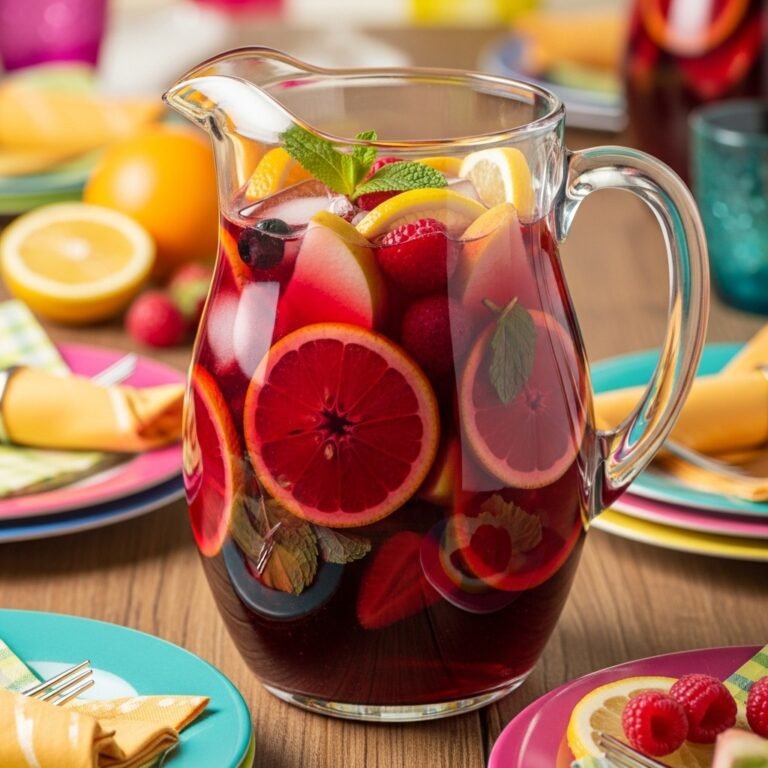
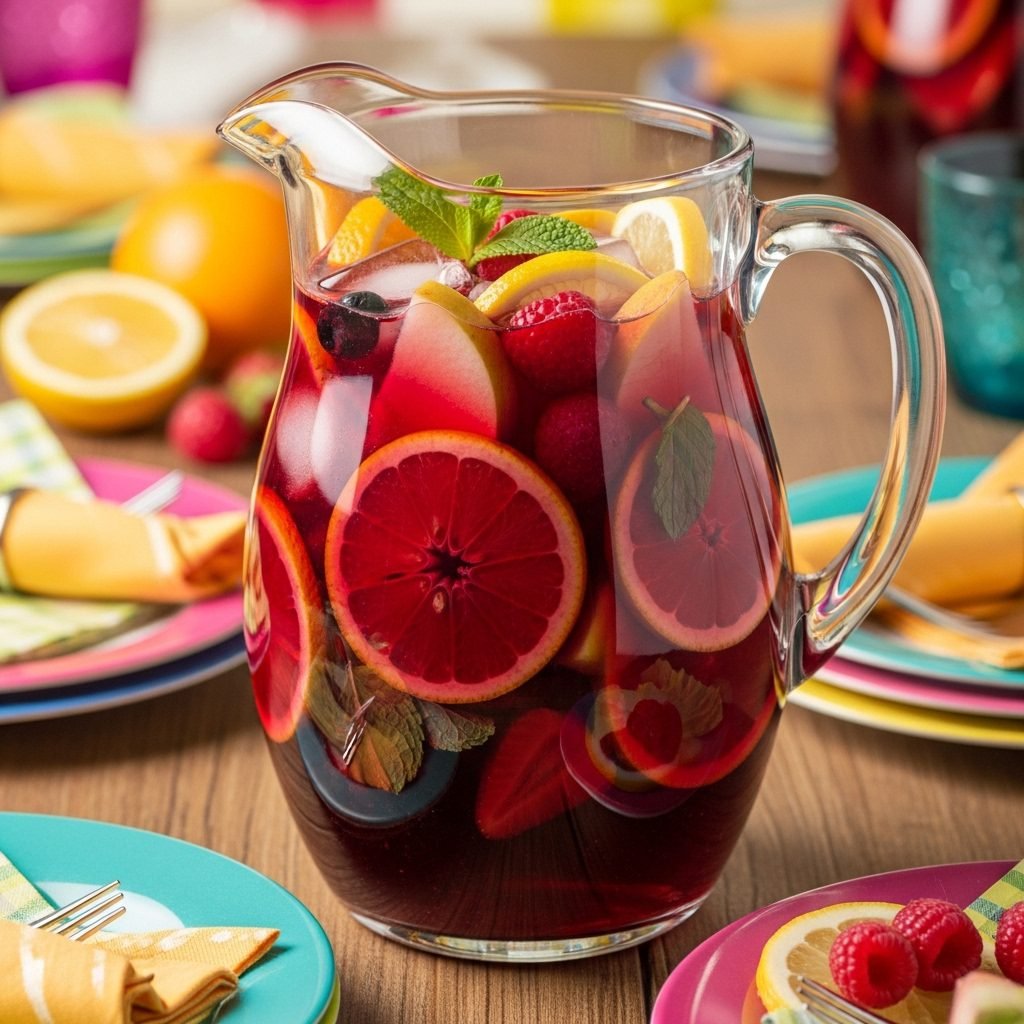
What makes sangria so universally adored is its incredible versatility and approachability. Unlike fussy cocktails that require precise measurements and bartending skills, sangria is forgiving, adaptable, and actually gets better as it sits. You can make it hours (or even a day!) ahead of time, which means less stress and more time to enjoy your guests. Plus, that gorgeous ruby-red color studded with colorful fruit slices looks absolutely stunning in photos – pure Pinterest gold!
I love making sangria because it’s one of those magical recipes where you can use affordable wine and still create something that tastes absolutely restaurant-quality. The fruit, citrus, and brandy transform even a basic bottle of red wine into something special and sophisticated. Best of all, everyone can customize their glass with their favorite fruit pieces, making it interactive and fun for guests of all ages (just make a non-alcoholic version for the kids!).
History & Background of Sangria
Sangria has a rich history that dates back centuries to the Iberian Peninsula, where Spain and Portugal meet. The word “sangria” comes from the Spanish word “sangre,” meaning blood, which refers to the drink’s deep red color. While the exact origins are debated, most historians agree that sangria-style drinks have existed in Spain since ancient times, when Romans first brought wine cultivation to the region around 200 BC.
The earliest versions of sangria were likely created as a way to make questionable wine more palatable. By adding fruit, honey, herbs, and spices to low-quality wine, Spanish peasants and farmers could mask off-flavors while creating a refreshing, hydrating beverage to enjoy during hot summer days working in the fields. These early sangrias bore little resemblance to the sweet, fruity versions we know today – they were often heavily spiced and quite different from region to region.
Sangria gained international fame during the 1964 World’s Fair in New York City, where it was served at the Spanish pavilion. Americans fell in love with this refreshing, easy-drinking wine cocktail, and it quickly became associated with Spanish cuisine and culture in the United States. By the 1970s, sangria had become a staple at American restaurants, particularly those serving Spanish, Mexican, or Mediterranean food.
Interestingly, sangria is so beloved in Spain that the European Union has protected it as a traditional Spanish and Portuguese drink. According to EU regulations, only sangria produced in Spain or Portugal can be sold commercially as “sangria” in Europe – versions made elsewhere must be labeled as “sangria-style” drinks.
Today, sangria has evolved into countless variations. While traditional Spanish sangria is typically made with red wine, fresh fruit, and a small amount of brandy, modern versions include white wine sangria, rosé sangria, sparkling sangria, and even creative riffs using different fruits and spirits. Despite these innovations, the classic red sangria remains the most popular and recognizable version, especially in the United States, where it’s become synonymous with warm-weather entertaining and casual outdoor gatherings.
Why You’ll Love This Red Sangria Recipe
This classic red sangria recipe is about to become your signature party drink, and I’m not exaggerating when I say it’s foolproof. I’ve made this for countless gatherings – from intimate dinner parties to massive backyard barbecues – and it never fails to impress. There’s something wonderfully communal about a big pitcher of sangria sitting on the table, inviting everyone to pour themselves another glass and snag some wine-soaked fruit.
Here’s why this recipe will be your new entertaining go-to:
- Make-Ahead Friendly – Prep it the night before and let flavors meld beautifully in the fridge
- Budget-Friendly – Uses affordable wine and transforms it into something special
- Crowd-Pleasing – I’ve never met anyone who doesn’t love a good sangria
- Highly Customizable – Adjust sweetness, fruit, and strength to your preferences
- Scales Effortlessly – Double or triple the recipe without any issues
- Low-Maintenance – No complicated techniques or special bar tools required
- Perfect for Large Gatherings – One pitcher serves 6-8 people generously
- Actually Gets Better with Time – The longer it sits, the more flavorful it becomes
- Naturally Fruity – The fruit isn’t just garnish, it’s an integral, delicious part of the drink
- Instagram-Worthy – That deep red wine with colorful fruit is absolutely stunning
- Refreshing & Not Too Strong – Perfect alcohol content for afternoon and evening sipping
- Conversation Starter – Setting up a sangria station gets guests mingling immediately
Ingredient Notes
Red Wine: This is your foundation, so choose wisely – but don’t overthink it! You want a medium-bodied, fruity red wine that’s not too tannic or dry. Spanish wines like Tempranillo, Garnacha (Grenache), or Rioja are traditional and work beautifully, but you don’t need to be too strict. Merlot, Pinot Noir, Zinfandel, or even a red blend work wonderfully. The key is choosing something you’d enjoy drinking on its own, but not something so expensive that you’d cry mixing it into sangria. Aim for the $8-12 range – sweet spot for quality without breaking the bank. Avoid: Very tannic wines like heavy Cabernet Sauvignon or super dry wines can taste harsh in sangria. Skip anything labeled “bold” or “full-bodied.”
Brandy: Traditional Spanish sangria always includes a splash of brandy, which adds depth, complexity, and a subtle warming quality that elevates the drink beyond simple wine punch. Spanish brandy is authentic, but any decent brandy works fine – even basic grocery store brandy is perfect here. Substitution: If you don’t have brandy, try rum (creates a slightly more Caribbean vibe), bourbon (adds smokiness), or Grand Marnier/Cointreau (enhances orange flavor). In a pinch, skip it entirely, though you’ll lose some depth.
Fresh Oranges: Both for juice and sliced fruit, oranges are essential to authentic sangria. They add natural sweetness, bright citrus flavor, and beautiful color. Use navel or Valencia oranges for best results. Important: Always use fresh orange juice, never from concentrate – the flavor difference is dramatic. You’ll need about 2-3 oranges total (one for juicing, the others for slicing).
Lemon & Lime: These citrus fruits add brightness and acidity that balances the sweetness and prevents sangria from tasting cloying. The combination of orange, lemon, and lime creates a complex, layered citrus profile. Always use fresh fruit, never bottled juice.
Apples: Crisp, slightly tart apples like Granny Smith, Honeycrisp, or Gala work best. They hold up well when soaking in wine without turning mushy, and their tartness balances the sweetness. Leave the skin on for color and texture – the red and green skins look gorgeous floating in the wine.
Sweetener (Sugar or Simple Syrup): Sangria needs a touch of sweetness to balance the wine’s acidity and the citrus. Granulated sugar works but dissolves slowly. Simple syrup (equal parts sugar and water, heated until dissolved) integrates immediately and is my preferred choice. Start with less than you think you need – you can always add more, but you can’t remove it. Substitutions: Honey (adds floral notes), agave nectar (vegan-friendly), or maple syrup (unique depth) all work.
Club Soda or Sparkling Water (Optional): Many people add a splash of fizz right before serving to lighten the sangria and add refreshing bubbles. This is completely optional but does create a more refreshing, less boozy drink that’s perfect for day drinking.
Equipment Needed
Making sangria requires minimal equipment, which is part of its appeal:
- Large Pitcher – At least 2-quart capacity, preferably glass so you can see the beautiful color and fruit. A pitcher with a lid is helpful for refrigerator storage
- Cutting Board and Sharp Knife – For slicing all that beautiful fruit
- Citrus Juicer – Handheld, electric, or just a fork for squeezing oranges
- Wooden Spoon or Muddler – For gently stirring and lightly crushing fruit to release juices
- Measuring Cups and Spoons – For accurate ingredient measurements
- Large Glasses – Wine glasses, mason jars, or highball glasses all work beautifully
- Ladle or Large Spoon – For serving, ensuring everyone gets plenty of fruit
- Strainer (Optional) – If you prefer sangria without fruit pieces floating in your glass
Print

Sangria Recipe
Classic Spanish red sangria made with fruity red wine, fresh citrus, crisp apples, and a splash of brandy. This refreshing wine cocktail is perfect for parties, barbecues, and summer gatherings. Make it ahead for the best flavor and serve over ice with plenty of wine-soaked fruit!
- Total Time: 2-4 hours
- Yield: 6-8 servings 1x
Ingredients
Scale- 1 bottle (750ml) fruity red wine (Spanish Tempranillo, Garnacha, or Merlot)
- ¼ cup brandy
- ¼ cup fresh orange juice (from 1 large orange)
- 2-3 tablespoons simple syrup or granulated sugar (adjust to taste)
- 1 orange, sliced into rounds
- 1 lemon, sliced into rounds
- 1 lime, sliced into rounds
- 1 large apple (Granny Smith or Honeycrisp), cored and sliced
- 1 cup club soda or sparkling water (optional, added just before serving)
- Ice cubes for serving
- Optional garnishes: fresh berries, cinnamon sticks, fresh mint
Instructions
- Prepare Your Fruit: Wash all citrus fruits and the apple thoroughly. Slice the orange, lemon, and lime into thin rounds (about ¼-inch thick), removing any seeds as you go. Core the apple and slice it into thin wedges or bite-sized pieces. Set aside.
- Juice the Orange: Before slicing your oranges, juice one of them to get about ¼ cup of fresh orange juice. This will add extra citrus flavor beyond what the sliced fruit provides.
- Combine in Pitcher: In a large pitcher (at least 2-quart capacity), combine the bottle of red wine, brandy, fresh orange juice, and simple syrup or sugar. Stir well until the sugar is completely dissolved if using granulated sugar. If using simple syrup, it will incorporate immediately.
- Add All the Fruit: Add all your sliced oranges, lemon, lime, and apple pieces to the pitcher. Use a wooden spoon or muddler to very gently press on the fruit pieces 2-3 times. You’re not trying to mash them, just lightly bruise them to help release their juices into the wine. Don’t over-muddle or you’ll release bitter oils from the citrus peels.
- Stir Everything Together: Give everything a good stir to ensure all the fruit is submerged and the ingredients are well combined. The sangria will look beautiful already, with colorful fruit floating in the deep red wine.
- Refrigerate and Let It Marinate: Cover the pitcher (or transfer to a container with a lid) and refrigerate for at least 2-4 hours, or ideally overnight. This resting time is crucial – it allows the fruit to infuse the wine with incredible flavor and creates a more harmonious, well-rounded drink. The longer it sits (up to 24 hours), the better it tastes.
- Taste and Adjust: After chilling, taste your sangria. Does it need more sweetness? Add another tablespoon of simple syrup or sugar and stir well. Too sweet? Add a squeeze of fresh lemon juice or a splash more wine to balance it out. Everyone’s taste preferences differ, so adjust until it’s perfect for you.
- Add Sparkle (Optional): Just before serving, add 1 cup of chilled club soda or sparkling water to the pitcher if you want a lighter, more effervescent sangria. Stir gently to incorporate. Don’t add the bubbles ahead of time or they’ll go flat.
- Serve Over Ice: Fill glasses with ice cubes. Using a ladle or large spoon, pour the sangria into glasses, making sure each person gets a generous helping of the wine-soaked fruit – that’s the best part! The fruit is not just garnish; it’s delicious and meant to be eaten.
- Garnish and Enjoy: If desired, garnish glasses with additional fresh fruit, a cinnamon stick, or a sprig of fresh mint. Serve immediately and enjoy responsibly!
Notes
- Wine Selection: Use a wine you’d enjoy drinking on its own, but nothing too expensive. Medium-bodied, fruity wines work best. Avoid very tannic or oak-heavy wines.
- Sweetness Level: Start with less sugar than you think you need. You can always add more after tasting, but you can’t remove it. Sangria should be balanced, not syrupy sweet.
- Fruit Flexibility: Feel free to add or substitute fruits based on what’s in season – strawberries, peaches, pears, or berries all work beautifully.
- Make It Stronger: For a boozier sangria, increase brandy to ½ cup or add a splash of orange liqueur.
- Club Soda Timing: Always add sparkling water/club soda just before serving, never ahead of time, or it will go flat.
- Fruit Consumption: The wine-soaked fruit is delicious! Make sure to eat it – it’s one of the best parts of sangria.
- Prep Time: 15 minutes
- Cook Time: 0 minutes (plus 2-4 hours chilling time)
- Category: Cocktail/Beverage
- Method: Mixing/Chilling
- Cuisine: Spanish
- Diet: Gluten Free
Nutrition
- Serving Size: 1 cup (8 oz) without club soda
- Calories: 150
- Sugar: 12g
- Sodium: 8mg
- Fat: 0g
- Saturated Fat: 0g
- Unsaturated Fat: 0g
- Trans Fat: 0g
- Carbohydrates: 16g
- Fiber: 1g
- Protein: 0.5g
- Cholesterol: 0mg
Wine Variations:
- White Sangria: Use white wine (Pinot Grigio, Sauvignon Blanc) with peaches, strawberries, and green grapes
- Rosé Sangria: Use rosé wine with strawberries, raspberries, and watermelon for a gorgeous pink drink
- Sparkling Sangria: Use prosecco or cava instead of club soda for an extra-festive, bubbly version
- Red Blend: Mix red and white wine for a lighter, more complex flavor profile
Fruit Combinations:
- Summer Sangria: Add fresh strawberries, blackberries, and peaches
- Fall Sangria: Use pears, cranberries, and add warming spices like cinnamon and star anise
- Tropical Sangria: Include pineapple chunks, mango, and use rum instead of brandy
- Berry Sangria: Load it up with strawberries, blueberries, raspberries, and blackberries
Flavor Enhancers:
- Spiced Sangria: Add 1-2 cinnamon sticks, 2-3 whole cloves, or a star anise pod
- Herbal Notes: Muddle fresh mint, basil, or rosemary with the fruit for aromatic complexity
- Extra Citrus: Add a splash of orange liqueur (Grand Marnier, Cointreau, or Triple Sec)
- Ginger Kick: Add thin slices of fresh ginger for a spicy, warming note
- Vanilla Depth: Add a vanilla bean (split and scraped) or ½ teaspoon vanilla extract
Sweetness Adjustments:
- For less sweet sangria: Reduce sugar to 1-2 tablespoons or omit entirely
- For sweeter sangria: Increase sugar to ¼ cup or add fruit juice
- Natural sweetness: Add a splash of pomegranate juice or grape juice
Strength Variations:
- Lighter Sangria: Use more club soda (up to 2 cups) and less wine
- Stronger Sangria: Increase brandy to ½ cup or add ¼ cup rum
- Wine-Forward: Skip the club soda entirely for a more traditional, wine-heavy version
Non-Alcoholic Version:
- Use non-alcoholic red wine or grape juice as the base
- Skip the brandy or use non-alcoholic rum extract
- Add extra club soda for effervescence
- Increase fruit and add a splash of balsamic vinegar for complexity
Pro Chef Tips
Tip #1: The Overnight Advantage
While 2-4 hours is the minimum chilling time, overnight refrigeration creates truly extraordinary sangria. During this extended rest, the fruit releases natural sugars and juices into the wine, the flavors meld and harmonize, and the alcohol mellows slightly. Professional bartenders at Spanish restaurants almost always prepare sangria the night before service. The transformation from “good” to “incredible” happens in those extra hours. If you’re hosting an evening party, make your sangria the morning of (or even the night before) for best results.Tip #2: The Strategic Fruit Muddle
Don’t skip the gentle muddling step, but don’t go overboard either. You want to lightly bruise the fruit to release oils and juices, not pulverize it into mush. Press each piece 2-3 times with gentle pressure – you should see some juice release but the fruit should remain intact. Over-muddling citrus releases bitter compounds from the white pith that can make sangria taste harsh. Think “encouraging” the fruit rather than “destroying” it.Tip #3: Temperature Control Matters
Sangria should be served very cold, almost icy. Many people make the mistake of serving it at regular refrigerator temperature, which makes it taste heavy and overly alcoholic. Fill glasses to the brim with ice before pouring, and if your pitcher has been sitting out for more than 15-20 minutes, add a handful of fresh ice to it. Some restaurants even freeze grapes or fruit pieces to use as “ice cubes” that keep sangria cold without diluting it – genius!Tip #4: The Two-Stage Sugar Technique
Instead of adding all your sweetener upfront, use a two-stage approach. Add half the sugar when you initially mix the sangria, then taste after it’s chilled and add more if needed. Chilling dulls sweetness perception, so what tastes perfectly sweet at room temperature might taste too sweet once cold – or vice versa. This technique ensures you hit the perfect balance every time.Tip #5: Fruit Presentation Matters
Cut your fruit intentionally for maximum visual impact. Thin, uniform slices look more professional than random chunks. Keep lemon and lime slices thin (¼-inch) so they’re pretty without overwhelming the flavor with bitterness. Cut apples into elegant wedges rather than tiny pieces – they should be substantial enough to spear with a fork or skewer. Beautiful fruit presentation makes your sangria look restaurant-quality and Pinterest-perfect.Common Mistakes to Avoid
Mistake #1: Using Expensive or Terrible Wine
There’s a sweet spot for sangria wine, and both extremes are problematic. Using expensive wine ($20+) is wasteful – the added fruit and brandy mask subtle nuances you’re paying for. But using truly cheap wine ($5 or less) creates harsh, acidic sangria no amount of fruit can fix. Stick to the $8-12 range for the best balance of quality and value. And always taste your wine before adding it – if you wouldn’t drink it on its own, don’t use it for sangria.Mistake #2: Making It Too Sweet
The most common sangria mistake is overdoing the sugar. Many recipes call for way too much sweetener, creating a syrupy, cloying drink that tastes more like fruit punch than wine cocktail. Start conservatively – you can always add more sweetness, but you can’t remove it. Remember that the fruit releases natural sugars as it sits, so sangria becomes sweeter over time. Aim for balanced, not candy-sweet.Mistake #3: Not Letting It Rest Long Enough
Impatience ruins sangria! Freshly mixed sangria tastes disjointed and alcoholic, with separate wine and fruit flavors rather than a harmonious blend. The magic happens during the resting period when flavors infuse and meld. If you absolutely must serve sangria immediately (though I don’t recommend it), at least give it 1-2 hours minimum. Anything less and you’re serving wine with fruit floating in it, not true sangria.Mistake #4: Adding Club Soda Too Early
This is a rookie error that ruins many otherwise perfect pitchers of sangria. Adding club soda or sparkling water hours before serving means you’ll end up with completely flat, lifeless sangria. Carbonation dissipates quickly, especially when mixed with alcohol. Always add bubbles within 15-20 minutes of serving, no earlier. Some people skip the pitcher entirely and add a splash of club soda directly to each individual glass for maximum freshness.Mistake #5: Skipping the Fruit or Using It Just as Garnish
Sangria without fruit is just watered-down wine with brandy. The fruit is absolutely essential – it infuses flavor, adds natural sweetness and complexity, and creates that signature sangria character. Don’t be stingy with fruit, and definitely don’t just float a few slices on top as an afterthought. Generously fill your pitcher with fruit and make sure every glass gets plenty of those delicious wine-soaked pieces. The fruit is meant to be eaten and enjoyed, not just looked at!Storage & Meal Prep
Storing Prepared Sangria:
Sangria stores beautifully in the refrigerator for up to 3 days, making it perfect for meal prep and extended entertaining. Keep it in a covered pitcher or transfer to a large jar with a tight-fitting lid. The fruit will continue releasing flavor, so day-two and day-three sangria actually tastes even better than day-one! Give it a good stir before serving, as fruit tends to settle at the bottom.Fruit Freshness Over Time:
After 24-48 hours, citrus slices can start becoming slightly bitter as compounds from the peel infuse into the wine. Apples hold up beautifully for 2-3 days without issue. If you’re planning to keep sangria longer than 2 days, consider removing the citrus slices after the first day and replacing them with fresh ones before serving.Leftover Sangria:
If you have leftover sangria (rare, but it happens!), strain out the fruit after 3 days to prevent bitterness. The sangria wine itself will keep for up to 5 days refrigerated, though the fruit is past its prime. You can add fresh fruit to perk it up, or use the leftover sangria wine for cooking – it’s fantastic for deglazing pans or adding to beef stew.Freezing Sangria:
You technically can freeze sangria in an airtight container for up to 3 months, though the texture and carbonation will be affected. Frozen sangria is best repurposed as popsicles or blended into frozen cocktails rather than thawed and served traditionally. The fruit pieces get mushy after freezing and thawing.Storing Components Separately:
For ultimate freshness, some people prefer storing the wine mixture and fruit separately, combining them 4-6 hours before serving. This method gives you more control over timing and keeps fruit at peak freshness.Make-Ahead & Freezer Notes
Ideal Make-Ahead Timeline:
Sangria is actually meant to be made ahead – it’s one of the rare cocktails that improves with advance preparation. Here’s the perfect timeline:- 12-24 hours ahead: Absolute best option. Flavors fully develop and integrate
- 4-8 hours ahead: Excellent results, plenty of time for infusion
- 2-4 hours ahead: Minimum recommended time, but still good
- 1 hour ahead: Better than nothing, but flavors won’t fully develop
Party Planning Strategy:
For stress-free entertaining, prepare your sangria the night before your event. Store it covered in the refrigerator overnight, then simply add ice and club soda right before guests arrive. This advance prep means you can focus on food and hosting rather than playing bartender.Batch Preparation:
Sangria scales beautifully for large gatherings. Make multiple pitchers days ahead, storing them in the refrigerator. For massive parties (20+ people), mix sangria in a large beverage dispenser for easy self-serve access. Just remember to add club soda and ice to individual glasses rather than the dispenser to maintain carbonation.Pre-Prepping Fruit:
You can slice all your fruit up to 24 hours ahead and store it in an airtight container in the refrigerator. Toss apple slices with a little lemon juice to prevent browning. When ready to make sangria, simply combine everything – this saves time on party day.Freezer Method (Sangria Popsicles):
Here’s a fun twist: pour prepared sangria (without club soda) into popsicle molds with fruit pieces and freeze for 4-6 hours. These boozy popsicles are fantastic for summer parties and pool gatherings. Alternatively, freeze sangria in ice cube trays and add the cubes to glasses of fresh sangria to keep drinks cold without dilution.Quick-Chill Method:
If you forgot to chill your sangria and need it cold fast, don’t add warm sangria to ice (too diluted). Instead, place the pitcher in a large bowl filled with ice and water, spinning it occasionally. It will chill in about 30 minutes. Or freeze grapes and use them as ice cubes in individual glasses.Serving Suggestions
Perfect Food Pairings:
Spanish Tapas:
Sangria is the traditional accompaniment to Spanish tapas and pairs beautifully with patatas bravas, gambas al ajillo (garlic shrimp), jamón ibérico, manchego cheese, Spanish olives, chorizo, tortilla española (Spanish omelet), and pan con tomate. The fruit-forward, refreshing quality cuts through rich, salty, garlicky flavors perfectly.Grilled & Barbecue:
Sangria is a barbecue superstar! Serve alongside grilled chicken, BBQ ribs, pulled pork sandwiches, grilled sausages, burgers, grilled vegetables, or carne asada tacos. The acidity and fruit notes complement smoky, charred flavors and help cleanse your palate between bites of rich meat.Mexican & Latin American:
Pair sangria with tacos, enchiladas, quesadillas, nachos, guacamole and chips, ceviche, empanadas, or fajitas. The bright citrus notes harmonize beautifully with lime-heavy Latin flavors and cool down spicy dishes.Mediterranean Fare:
Serve with Greek salad, hummus and pita, falafel, grilled lamb, Mediterranean pasta salads, caprese salad, or antipasto platters. Sangria’s wine base naturally complements Mediterranean ingredients like olive oil, tomatoes, and fresh herbs.Casual Gatherings:
Sangria works wonderfully with pizza, pasta dishes, charcuterie boards, cheese platters, bruschetta, salads, sandwiches, or any casual party food. Its approachable, crowd-pleasing nature makes it perfect for relaxed entertaining.Occasion-Specific Ideas:
- Summer Parties: Serve in a large drink dispenser for easy self-service
- Cinco de Mayo: Pair with Mexican feast and margaritas
- Girls’ Night: Set up a sangria bar with multiple fruit options
- Backyard BBQs: Keep pitchers cold in ice-filled coolers
- Outdoor Weddings: Serve as signature cocktail during cocktail hour
- Holiday Gatherings: Make fall-spiced sangria with cinnamon and cranberries
FAQs About Sangria
How long should sangria sit before serving?
Sangria should rest for a minimum of 2-4 hours in the refrigerator before serving, but overnight (12-24 hours) produces the best results. This resting time allows the fruit to infuse the wine with flavor and all the ingredients to meld together harmoniously. Freshly made sangria tastes disjointed and harsh, while properly rested sangria tastes smooth, balanced, and fruity. If you’re short on time, 2 hours is acceptable, but try to plan ahead when possible for superior flavor.What’s the best wine to use for sangria?
Medium-bodied, fruity red wines work best for traditional red sangria. Spanish wines like Tempranillo, Garnacha (Grenache), or Rioja are authentic and excellent choices, but Merlot, Pinot Noir, Zinfandel, or affordable red blends work beautifully too. Choose something in the $8-12 price range – good enough quality to taste pleasant, but not so expensive that mixing it feels wasteful. Avoid very tannic, bold wines like heavy Cabernet Sauvignon, which can taste harsh in sangria.Can I make sangria without brandy?
Yes, you can omit brandy entirely if you don’t have it or prefer not to use it, though the sangria will lack some depth and complexity. Brandy adds a warming quality and subtle richness that elevates the drink. If you want to substitute, try rum (especially light or coconut rum), bourbon, or orange liqueur like Grand Marnier or Cointreau. Each creates a slightly different flavor profile but all work well. For non-alcoholic sangria, skip the brandy and use grape juice or additional fruit juice instead.Should I use club soda in sangria?
Adding club soda or sparkling water to sangria is optional but highly recommended, especially for day drinking or warm weather. The bubbles lighten the drink, add refreshing effervescence, and slightly reduce the alcohol content, making it more sessionable. If you prefer a more traditional, wine-forward sangria, skip the club soda entirely. If using it, always add the bubbles just before serving (within 15-20 minutes) so they don’t go flat. Never add club soda hours ahead or it will be completely flat by serving time.Can I make sangria with white wine instead of red?
Absolutely! White sangria is delicious and refreshing, perfect for warm weather. Use a crisp white wine like Pinot Grigio, Sauvignon Blanc, or Albariño, and adjust your fruit accordingly. White sangria pairs beautifully with peaches, strawberries, green grapes, green apples, and citrus. The preparation method is identical to red sangria. You can also make rosé sangria using rosé wine with berries and watermelon for a gorgeous pink drink.How much alcohol is in sangria?
Sangria typically contains about 8-10% alcohol by volume, depending on your recipe and ratios. This is lower than wine alone (12-14% ABV) because you’re adding fruit juice, club soda, and fruit pieces that dilute the alcohol content. The addition of brandy increases alcohol slightly but also gets diluted by other ingredients. Sangria is generally considered a lighter, more sessionable drink than straight wine, making it perfect for afternoon and evening sipping.What do I do with the fruit after making sangria?
Eat it! The wine-soaked fruit is one of the best parts of sangria. Make sure every glass gets a generous portion of fruit, and encourage guests to enjoy it. The fruit absorbs wine and brandy, becoming soft, flavorful, and slightly boozy – absolutely delicious. You can eat it with a spoon, skewer it, or just fish it out with your fingers (in casual settings). Don’t throw away this boozy treasure – it’s meant to be savored!Conclusion
And there you have it – everything you need to master the art of perfect sangria! This classic Spanish wine cocktail is truly one of the most rewarding drinks to make at home. It’s forgiving, endlessly customizable, budget-friendly, and actually improves when made ahead – which basically makes it the ultimate entertaining drink, right?
What I love most about sangria is how it brings people together. There’s something inherently communal about a big pitcher of ruby-red wine studded with colorful fruit, sitting on the table and inviting everyone to help themselves. It starts conversations, encourages lingering at the table, and turns ordinary gatherings into memorable occasions. Plus, everyone loves fishing out those wine-soaked fruit pieces – it’s interactive and fun!
Remember, the keys to exceptional sangria are simple: use decent (but not expensive) wine, don’t skimp on the fruit, give it time to rest and develop flavor, and add club soda just before serving if you want that refreshing sparkle. Follow these principles and your sangria will rival anything you