Espresso Martini Recipe: Bold, Smooth, and Absolutely Divine
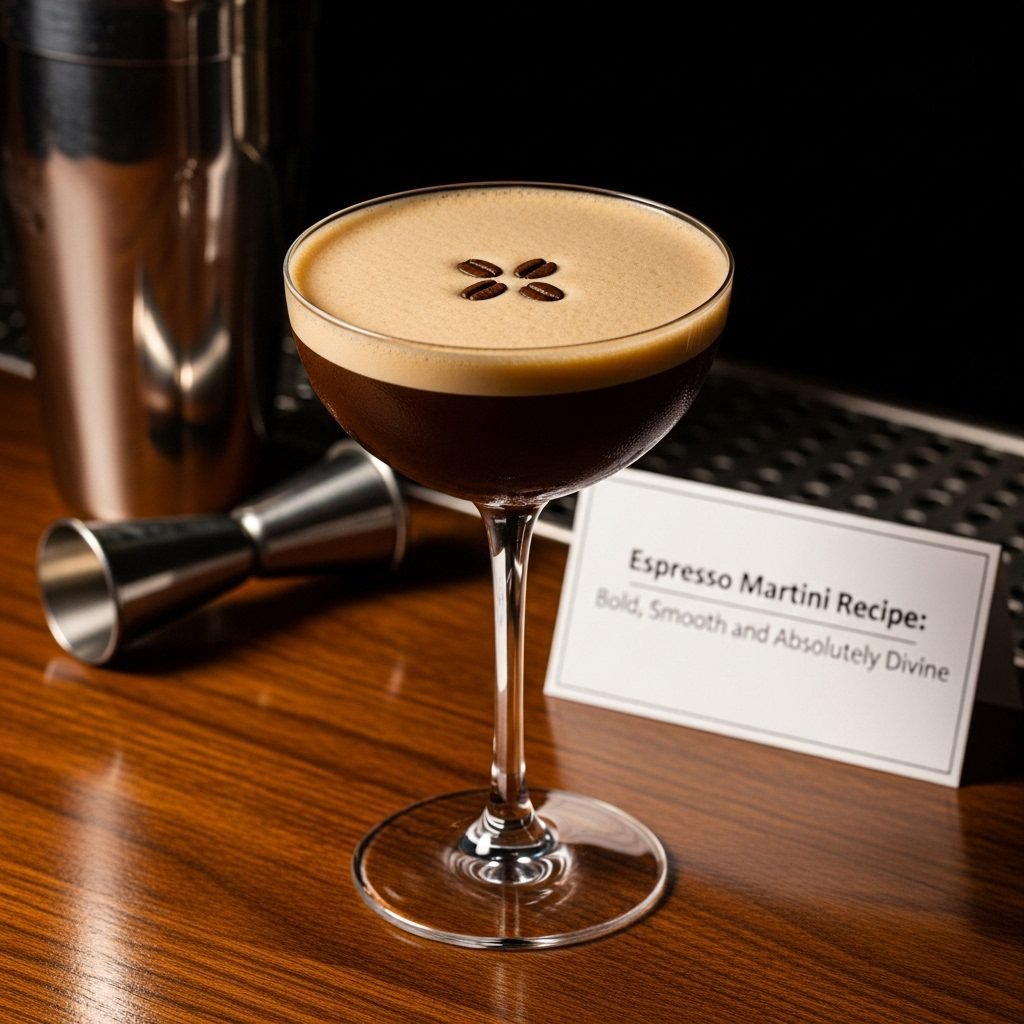
The espresso martini is a sophisticated, coffee-forward cocktail that perfectly balances the rich intensity of fresh espresso with the smooth warmth of vodka and subtle sweetness of coffee liqueur, all topped with a gorgeous layer of creamy foam! This iconic espresso martini cocktail features a beautiful dark brown color with that signature velvety foam crown garnished with three coffee beans, creating an Instagram-worthy drink that’s as stunning as it is delicious. The combination of caffeine from the espresso and alcohol from the vodka creates the perfect “pick-me-up and wind-down” cocktail that’s energizing yet indulgent. This easy espresso martini recipe is perfect for countless occasions: serve it at dinner parties where it acts as both dessert and after-dinner drink, make it for date nights at home when you want to impress, mix up a batch for girls’ night when you need sophisticated sipping, offer it at holiday gatherings as an elegant alternative to standard cocktails, enjoy it after dinner when you want something sweet without being too heavy, or simply make one when you’re craving that perfect marriage of coffee and cocktail. The beauty of this homemade espresso martini lies in its remarkable simplicity—it requires just four ingredients, comes together in under 5 minutes, uses equipment you probably already have, and delivers café-quality results that taste like they came from a high-end cocktail bar. Whether you’re a coffee lover who enjoys cocktails, a home bartender looking to expand your repertoire, someone who loves entertaining with impressive drinks, or simply anyone who appreciates the magic of coffee and vodka together, this espresso martini recipe delivers incredible flavor, beautiful presentation, perfect balance, and pure sophisticated deliciousness that makes it the ultimate modern classic cocktail!
History / Background
The espresso martini has one of the most colorful and well-documented origin stories in cocktail history, and it’s a relatively recent invention compared to many classic cocktails. This beloved drink was created in the 1980s during the height of the cocktail renaissance in London, and its story involves a famous model, a legendary bartender, and the perfect moment of inspiration.
The espresso martini was invented in 1983 by Dick Bradsell, one of the most influential bartenders in cocktail history, at the Soho Brasserie in London. The story goes that a young model (widely believed to be, though never officially confirmed as, supermodel Kate Moss) walked into the bar late one evening and asked Bradsell for a drink that would “wake me up, then f*** me up.” Bradsell, known for his creativity and ability to craft drinks on the spot, looked at the espresso machine behind the bar and was struck with inspiration.
He combined vodka, coffee liqueur, sugar syrup, and a freshly pulled shot of espresso, shaking it vigorously with ice. The result was a revelation—the shaking created a beautiful foam on top, the drink was simultaneously energizing and intoxicating, and it looked absolutely stunning. Bradsell originally called it the “Vodka Espresso,” a name that stuck for many years.
The drink became an instant hit among London’s fashion and nightlife crowd in the 1980s and 1990s. It embodied the era perfectly—glamorous, indulgent, and unapologetically excessive. The combination of caffeine and alcohol made it the ideal cocktail for those who wanted to party late into the night without losing energy.
The name evolved over the years. Despite not being a true “martini” in the classic sense (no gin or vermouth involved), it earned the “martini” designation due to its serving vessel—the iconic V-shaped martini glass—and its sophisticated presentation. The “espresso martini” name became popularized in the 1990s and 2000s as the drink spread beyond London to bars worldwide.
The espresso martini experienced a massive resurgence in the 2010s and 2020s, becoming one of the most popular cocktails globally. Several factors contributed to this revival: the specialty coffee movement made people more appreciative of quality espresso, Instagram and social media made the drink’s photogenic foam crown irresistible, the craft cocktail renaissance brought attention back to classic and modern classic drinks, and the rise of brunch and day-drinking culture made coffee cocktails more socially acceptable.
Today, the espresso martini represents the perfect intersection of coffee culture and cocktail culture. It’s equally at home in trendy brunch spots, upscale cocktail bars, and home bars. Dick Bradsell, who passed away in 2016, is now celebrated as a cocktail legend, and the espresso martini stands as his most famous creation—a drink that captured a moment in time and became timeless.
The three coffee beans traditionally placed on top of an espresso martini have symbolic meaning: they represent health, wealth, and happiness. This tradition comes from Italian espresso culture, where serving sambuca with three coffee beans is customary.
Why You’ll Love This Recipe
This espresso martini recipe shows you exactly how to create that perfect balance of coffee intensity, smooth alcohol, and luxurious texture that makes this cocktail absolutely irresistible! While making espresso martinis might seem intimidating—concerns about getting the foam right, balancing the flavors, or needing specialty equipment—there are actually specific techniques that make this foolproof: shaking vigorously for the signature foam, using freshly brewed espresso for optimal flavor, understanding the proper ratios for perfect balance, and achieving that stunning presentation.
What makes this particular approach to the classic espresso martini recipe special is the attention to technique and flavor balance. We’re not just throwing ingredients in a shaker—we’re thinking about how to create maximum foam, how to balance coffee bitterness with sweetness, how to showcase the vodka without it being harsh, and how to achieve that stunning café-worthy presentation. The result is an espresso martini that rivals anything you’d pay $15-20 for at a cocktail bar, made in your own kitchen!
Here’s why this homemade espresso martini will become your signature cocktail:
- Ready in 5 Minutes – Faster than ordering at a bar
- Only 4 Ingredients – Vodka, espresso, coffee liqueur, simple syrup
- Restaurant-Quality – Tastes like it came from a fancy cocktail bar
- Impressive Presentation – That foam crown is Instagram-worthy
- Perfect Balance – Sweet, bitter, smooth, and strong all at once
- Energizing Yet Relaxing – The ultimate paradox cocktail
- No Special Equipment – Just a cocktail shaker
- Customizable – Easy to adjust sweetness and strength
- Great for Entertaining – Makes guests feel special
- Sophisticated Yet Fun – Elegant without being stuffy
- Dessert in a Glass – Satisfies sweet cravings
- Modern Classic – Timeless appeal with contemporary cool
Ingredient Notes
This cocktail uses simple ingredients where quality really matters!
Vodka: The smooth spirit base! Vodka provides clean alcohol without competing with the coffee flavors. Quality matters: Use good-quality vodka for smoothness—you’ll taste harsh vodka in the final drink. Mid-range vodka (like Tito’s, Absolut, or Grey Goose) works beautifully. Amount: 2 ounces (standard cocktail pour). Type: Plain vodka is traditional; vanilla vodka adds extra sweetness and warmth. Substitution: White rum creates a different but delicious profile; bourbon or whiskey makes a “Bourbon Espresso Martini.”
Fresh Espresso: The coffee star! Freshly brewed espresso provides the intense coffee flavor and helps create that signature foam. Freshness is crucial: Fresh, hot espresso creates the best foam. Cooled espresso still works but produces less foam. Amount: 1 ounce (one standard espresso shot). Strength: Use regular or strong espresso, not weak coffee. Substitution: Very strong brewed coffee (2 ounces) works in a pinch; instant espresso powder (1 tablespoon dissolved in 1 ounce hot water) surprisingly works well; cold brew concentrate (1.5 ounces) creates less foam but good flavor.
Coffee Liqueur: The sweet coffee element! Coffee liqueur adds sweetness, additional coffee flavor, and richness. Brand: Kahlúa is the classic choice—sweet, smooth, vanilla-forward. Mr. Black is less sweet, more coffee-forward (reduce or omit simple syrup). Tia Maria is brandy-based and elegant. Amount: 1 ounce. Purpose: Provides sweetness and depth. Substitution: For less sweet, use ½ ounce coffee liqueur + ½ ounce vodka.
Simple Syrup: The sweetness adjuster! Simple syrup balances the coffee’s bitterness without altering flavor. Amount: ¼-½ ounce, depending on sweet preference. Type: 1:1 simple syrup (equal parts sugar and water). Purpose: Controlled sweetness that dissolves instantly. Substitution: Vanilla syrup adds warmth; demerara syrup adds caramel notes; maple syrup works but changes flavor; omit entirely if you prefer less sweet or if using sweet coffee liqueur.
Ice: Essential for shaking! Large ice cubes or regular cubes—you need enough to shake vigorously and chill the drink thoroughly.
Coffee Beans for Garnish: The traditional three-bean garnish looks elegant and represents health, wealth, and happiness.
Equipment Needed
This cocktail requires basic bar tools!
- Cocktail shaker (Boston shaker or cobbler shaker)
- Jigger or measuring cup (for accurate measurements)
- Martini glass or coupe glass (chilled for best results)
- Strainer (if using Boston shaker)
- Espresso machine or Moka pot (for making espresso)
- Fine mesh strainer (optional, for ultra-smooth texture)
That’s it! Basic cocktail equipment and an espresso maker.
Print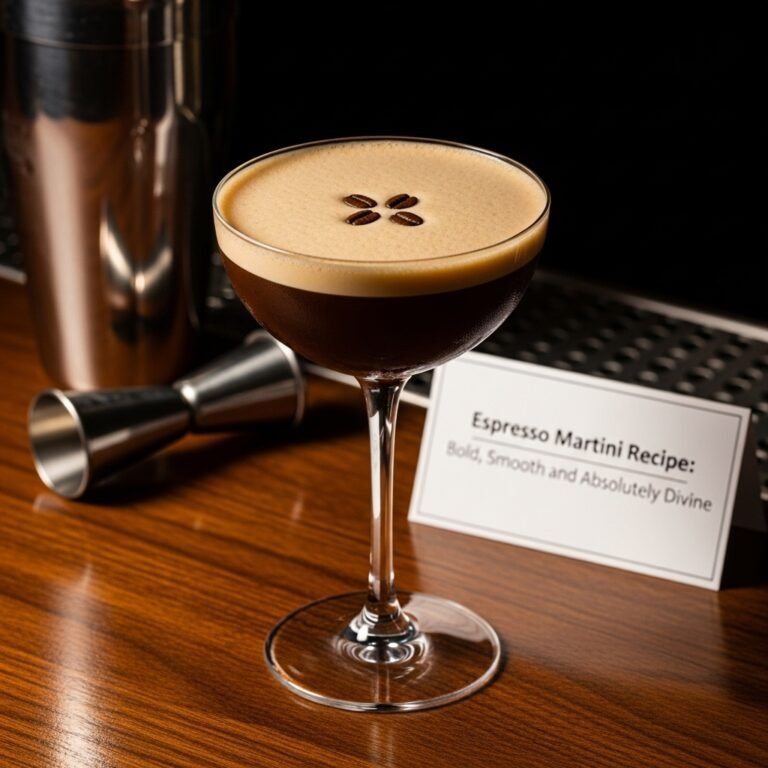
Espresso Martini Recipe
Classic espresso martini with vodka, fresh espresso, and coffee liqueur. Smooth, balanced, and topped with beautiful foam. Restaurant-quality in 5 minutes!
- Total Time: 5 minutes
- Yield: 1 cocktail 1x
Ingredients
- 2 ounces vodka
- 1 ounce freshly brewed espresso (hot or cooled)
- 1 ounce coffee liqueur (Kahlúa or Mr. Black)
- ¼-½ ounce simple syrup (adjust to taste)
- Ice (for shaking)
- 3 coffee beans (for garnish)
Instructions
Prepare:
- Chill Glass: Place your martini glass or coupe in the freezer for at least 5 minutes before making the drink. A chilled glass keeps the cocktail colder longer and looks more elegant with that frosty appearance.
- Brew Espresso: Pull one shot of espresso using your espresso machine or Moka pot. If you’re using hot espresso, you can shake immediately (creates better foam). If you prefer to cool it slightly (to avoid diluting ice too much), let it cool for 1-2 minutes.
Mix the Cocktail:
- Add Ingredients to Shaker: Fill your cocktail shaker with ice—you want it quite full, about ¾ way up. Add the vodka, fresh espresso, coffee liqueur, and simple syrup (start with ¼ ounce if unsure about sweetness—you can always add more).
- Shake Vigorously: This is the most important step! Seal your shaker tightly and shake hard and fast for 15-20 seconds. You want to shake vigorously enough that you can hear the ice really moving around. The aggressive shaking creates that signature foam crown on top. Your arms will get a mini workout—that’s normal! The drink is ready when the outside of the shaker becomes frosty cold.
- Taste and Adjust (Optional): If you want to check sweetness before serving, you can strain a tiny bit into a spoon and taste. If it’s too bitter, add another ¼ ounce simple syrup and shake again for 5 more seconds.
Serve:
- Strain into Glass: Remove your chilled glass from the freezer. Using a Hawthorne strainer (or the built-in strainer if using a cobbler shaker), strain the cocktail into the chilled martini glass. For an ultra-smooth texture, some bartenders double-strain through a fine mesh strainer to catch any tiny ice chips or coffee grounds.
- Check the Foam: If you shook properly, you should have a beautiful layer of creamy, light brown foam on top of the dark coffee-colored cocktail. The foam should be about ¼-½ inch thick.
- Garnish: Place three coffee beans on top of the foam in a triangle pattern or in a line. This is the traditional garnish representing health, wealth, and happiness.
- Serve Immediately: Espresso martinis are best enjoyed immediately while cold and while the foam is fresh and intact.
Notes
- Fresh Espresso is Key: The fresher the espresso, the better the foam. Espresso that’s more than 30 minutes old won’t foam as well.
- Shake Vigorously: Don’t be shy! Aggressive shaking creates the signature foam.
- Adjust Sweetness: Start with less simple syrup—you can always add more, but you can’t remove it.
- Vodka Quality: Use decent vodka—harsh vodka is noticeable in this drink.
- Serving Temperature: Drink immediately for best flavor and temperature.
- Foam Timing: The foam starts to dissipate after 5-10 minutes, so don’t let it sit.
- Prep Time: 5 minutes
- Cook Time: 0 minutes
- Category: Cocktail, Drink, Dessert Drink
- Method: Shaken
- Cuisine: British/Modern
- Diet: Gluten Free
Nutrition
- Serving Size: 1 cocktail
- Calories: 200
- Sugar: 14g
- Sodium: 5mg
- Fat: 0g
- Saturated Fat: 0g
- Unsaturated Fat: 0g
- Trans Fat: 0g
- Carbohydrates: 15g
- Fiber: 0g
- Protein: 0g
- Cholesterol: 0mg
Tips & Variations
Vanilla Espresso Martini: Use vanilla vodka and add ¼ teaspoon vanilla extract for extra warmth and sweetness.
Salted Caramel Version: Add ¼ ounce salted caramel syrup and garnish with a pinch of flaky sea salt on the foam.
Mocha Martini: Add ½ ounce chocolate liqueur or ½ tablespoon chocolate syrup for coffee-chocolate heaven.
Irish Espresso Martini: Replace vodka with Irish cream liqueur (like Baileys) for a creamier, dessert-like drink.
Hazelnut Coffee Martini: Add ½ ounce Frangelico (hazelnut liqueur) for nutty complexity.
Coconut Espresso: Use coconut rum instead of vodka and add a splash of coconut cream.
Lower Sugar: Use Mr. Black coffee liqueur (less sweet than Kahlúa) and omit simple syrup entirely.
Espresso Martini Martini: For a truly “dirty” version, add ½ ounce dry vermouth for a nod to actual martinis.
Maple Espresso: Replace simple syrup with maple syrup for fall-inspired warmth.
Vegan Version: Most vodkas and coffee liqueurs are vegan, but always check labels. The foam works perfectly without any animal products!
Pro Chef Tips
The Vigorous Shake Technique: Professional bartenders shake espresso martinis harder and longer than almost any other cocktail—15-20 seconds of aggressive shaking. This isn’t just for mixing; it’s essential for creating that signature foam crown. The violent agitation emulsifies the espresso oils with the other ingredients, creating tiny air bubbles that form the foam. Weak shaking equals weak foam. Embrace the workout!
Hot Espresso vs. Cold: While many recipes call for cooled espresso, professional bartenders often use hot, freshly pulled espresso straight from the machine. Hot espresso creates more foam because the natural oils and crema are still present and active. The ice in the shaker quickly chills it, so temperature isn’t an issue. The only downside is slightly more dilution, but the superior foam is worth it.
The Pre-Chill Strategy: High-end cocktail bars always serve espresso martinis in chilled glasses. The 5-minute freezer chill isn’t just aesthetic—cold glasses keep the cocktail at optimal temperature longer and prevent the foam from dissipating as quickly. If you forget to pre-chill, fill the glass with ice water while you make the drink, then dump it out before straining.
Double Straining for Perfection: Michelin-starred restaurant bars often double-strain espresso martinis through a fine mesh strainer after the regular strainer. This catches any tiny ice chips and coffee grounds, creating an ultra-smooth, silky texture that feels luxurious. It’s an extra 5 seconds that makes a noticeable difference in mouthfeel.
The Simple Syrup Decision: Professional bartenders adjust simple syrup based on the coffee liqueur used. Kahlúa is quite sweet (adjust to ¼ ounce or even omit syrup), while Mr. Black is much less sweet (may need ½ ounce syrup). Always taste and adjust—everyone’s sweetness preference differs, and different espressos vary in bitterness.
Quality Vodka Matters Here: Unlike some cocktails where mixers mask the spirit, espresso martinis showcase the vodka. Harsh, low-quality vodka creates a burning sensation that fights with the coffee. Mid-range or premium vodka creates smooth, balanced flavor. You don’t need $50 vodka, but avoid bottom-shelf options.
The Three-Bean Garnish Trick: Professional bartenders place the three coffee beans carefully in a triangle or line on the foam immediately after pouring. If you wait even 30 seconds, the foam firms up slightly and the beans may sink rather than float. Timing is everything for that perfect Instagram shot!
Common Mistakes to Avoid
Not Shaking Hard Enough or Long Enough: The biggest mistake! Gentle shaking or shaking for only 5-10 seconds creates a weak foam (or no foam at all). You need aggressive, vigorous shaking for 15-20 seconds. Your shaker should be frosty cold on the outside, and your arms should feel tired. If there’s no substantial foam layer on your finished drink, you didn’t shake hard enough.
Using Old or Cold Brew Coffee: Using regular brewed coffee that’s been sitting for hours, or cold brew, won’t create proper foam. The espresso’s natural crema and oils (which create foam) dissipate as coffee sits. Fresh espresso—ideally within 15 minutes of brewing—creates the best foam. Cold brew lacks the oils necessary for foam formation.
Wrong Ice Amount: Using too little ice means the drink won’t get cold enough and won’t create enough agitation for foam. Using too much ice can over-dilute. Fill your shaker about ¾ full with ice for optimal results—enough to shake vigorously but not so much you can’t move the ingredients around.
Forgetting to Chill the Glass: Serving an espresso martini in a room-temperature glass causes it to warm up quickly, making it taste harsh and causing the foam to dissipate rapidly. The 5-minute freezer pre-chill is essential, not optional. If you forget, at least fill the glass with ice water while making the drink.
Making It Too Sweet: Many people over-sweeten espresso martinis, masking the beautiful coffee flavor. Start with ¼ ounce simple syrup, especially if using Kahlúa. You can always add more, but you can’t remove sugar once it’s in. The best espresso martinis balance sweet and bitter rather than being syrupy.
Using Low-Quality Vodka: Cheap vodka with harsh, burning alcohol flavor ruins espresso martinis. The coffee doesn’t mask bad vodka—it actually highlights it. Invest in at least mid-range vodka. This isn’t the cocktail for bottom-shelf spirits.
Storage & Meal Prep
Batching for Parties: While espresso martinis are best made individually for optimal foam, you can pre-mix the base for parties. Combine vodka, coffee liqueur, and simple syrup in a pitcher and refrigerate. When ready to serve, add fresh espresso and ice to shaker, add your pre-mixed base, and shake individually. This saves measuring time while maintaining foam quality.
Pre-Brewing Espresso: If entertaining, you can brew espresso 15-30 minutes ahead and keep it at room temperature. The foam won’t be quite as spectacular as with freshly-pulled espresso, but it’s a reasonable compromise for efficiency. Don’t brew more than 30 minutes ahead—flavor degrades.
Simple Syrup Storage: Make a batch of simple syrup (equal parts sugar and hot water, stirred until dissolved) and store refrigerated for up to 1 month. Having it ready makes cocktail-making faster.
Leftover Drinks: Espresso martinis don’t store well once made—the foam disappears, the ice dilutes the drink, and the flavors separate. Always make them fresh to order.
Make-Ahead & Freezer Notes
Make-Ahead Limitations: Espresso martinis are one of the few cocktails that truly must be made fresh. The foam is created by shaking and dissipates within 10-15 minutes, and the drink tastes best ice-cold. You cannot make them hours ahead.
Party Prep Strategy: For entertaining, prep all ingredients: measure vodka and coffee liqueur into individual containers, make simple syrup, brew espresso and keep warm in a thermos, pre-chill glasses in freezer, and set up a shaking station. Each drink takes only 2 minutes to shake and serve.
Freezing Not Recommended: Don’t freeze pre-made espresso martinis. The alcohol won’t freeze solid but will separate, the coffee will become bitter, and you’ll have no foam. Always make fresh.
Coffee Ice Cubes: Some bartenders make espresso ice cubes (freeze espresso in ice cube trays) to use instead of regular ice. This prevents dilution while maintaining coffee flavor. However, you sacrifice some foam quality. It’s a trade-off for taste preference.
Serving Suggestions
When to Serve:
- After dinner as dessert replacement
- At cocktail parties as signature drink
- For date night at home
- During brunch (yes, it’s socially acceptable!)
- At holiday gatherings
- For girls’ night or book club
- As a pick-me-up happy hour drink
Food Pairings:
- Chocolate desserts (brownies, chocolate cake)
- Tiramisu (coffee on coffee!)
- Biscotti for dipping
- Cheese and fruit plates
- Dark chocolate truffles
- Crème brûlée
- Panna cotta
Other Drinks to Serve:
- For non-drinkers: Iced lattes or cold brew
- White wine for those who want lighter options
- Classic martinis for gin lovers
- Old Fashioneds for whiskey drinkers
Setting the Mood:
- Dim lighting creates cocktail lounge vibes
- Jazz or lounge music
- Use quality glassware for elegant presentation
- Offer small bites alongside drinks
FAQs Section
Q: Can you make espresso martini without an espresso machine?
A: Yes! Use a Moka pot (stovetop espresso maker) for authentic espresso, or make very strong coffee (2 ounces) though foam will be less impressive. Surprisingly, instant espresso powder (1 tablespoon dissolved in 1 ounce hot water) works remarkably well! Cold brew concentrate (1.5 ounces) is another option, though it produces less foam.
Q: Why is my espresso martini not foamy?
A: Several reasons: 1) Not shaking hard enough or long enough (shake vigorously for 15-20 seconds); 2) Using old coffee instead of fresh espresso; 3) Using cold brew (lacks the oils for foam); 4) Not enough ice in shaker; 5) Using decaf espresso (has less natural oils). Fresh espresso + vigorous shaking = foam!
Q: Can you make espresso martini ahead of time?
A: Unfortunately, no. The foam dissipates within 10-15 minutes, and the drink tastes best ice-cold and fresh. For parties, prep all ingredients and set up a shaking station so each drink takes only 2 minutes to make fresh.
Q: What can I use instead of coffee liqueur?
A: While coffee liqueur is traditional, you can make a homemade version by mixing strong coffee with simple syrup, or use chocolate liqueur for a mocha version. However, the drink won’t taste quite the same without the depth that Kahlúa or Mr. Black provides.
Q: How do you make espresso martini less sweet?
A: Reduce or omit simple syrup, use Mr. Black coffee liqueur (much less sweet than Kahlúa), or reduce coffee liqueur to ½ ounce and increase vodka to 2.5 ounces. Start with minimal sweetener—you can always add more!
Q: Can you make a virgin espresso martini (non-alcoholic)?
A: You can make a coffee mocktail by combining 2 ounces cold brew, 1 ounce coffee-flavored syrup, ½ ounce simple syrup, and shaking with ice. It won’t taste identical (alcohol adds warmth and complexity), but it’s a delicious coffee drink!
Q: What vodka is best for espresso martini?
A: Any good mid-range vodka works beautifully—Tito’s, Absolut, Grey Goose, Ketel One, or Smirnoff. Some prefer vanilla vodka for extra sweetness. Avoid bottom-shelf vodka (harsh flavor) and ultra-premium isn’t necessary. Mid-range offers the best value and smoothness.
Conclusion
And there you have it—everything you need to make the most delicious, perfectly balanced, beautifully foamy espresso martini that rivals anything you’d find at a high-end cocktail bar! While this modern classic might seem intimidating with concerns about foam and technique, the step-by-step guidance, troubleshooting tips, and professional insights we’ve covered make it absolutely achievable. From understanding why vigorous shaking matters to knowing exactly how to create that signature foam crown, you now have all the knowledge to become the espresso martini expert among your friends.
This easy espresso martini recipe proves that sophisticated cocktails don’t require fancy equipment or bartending school. With just four ingredients, a cocktail shaker, and 5 minutes, you can create a drink that’s perfect for impressing dinner guests, elevating date night, celebrating with friends, or simply treating yourself to something special. This homemade espresso martini makes ordinary evenings extraordinary and turns simple ingredients into something genuinely magical.
Whether you’re making this classic espresso martini recipe for dinner parties, girls’ night, romantic evenings, holiday celebrations, or simply because you deserve a delicious cocktail that’s both energizing and indulgent, this recipe delivers every single time. It’s smooth, balanced, stunning, versatile, and genuinely better than most bar versions—everything a signature cocktail should be!
Now it’s your turn to shake up your own perfectly foamy, beautifully balanced espresso martini! I’d love to hear about your experience—did you get that gorgeous foam crown? What variations did you try? Has this become your go-to cocktail for entertaining? Share your thoughts, creative twists, and beautiful cocktail photos in the comments below! Your feedback and ideas inspire other readers and help build our home bartending community.
Don’t forget to save this espresso martini recipe to your Pinterest boards—pin it to “Cocktail Recipes,” “Date Night Ideas,” “Party Drinks,” or “Coffee Recipes” so you can find it whenever you want to impress with a restaurant-quality cocktail. If you know someone who loves coffee cocktails, needs entertaining ideas, or appreciates sophisticated drinks, share this article with them. And when you make your perfectly balanced, gorgeously foamy espresso martini, snap a photo and tag me on social media—I absolutely love seeing your cocktail creations!
Now go shake up this amazing cocktail and get ready to feel like the most sophisticated home bartender around! ☕🍸✨