Perfect Snickerdoodle Cookies Recipe: Soft, Chewy, and Cinnamon-Sugar Heaven

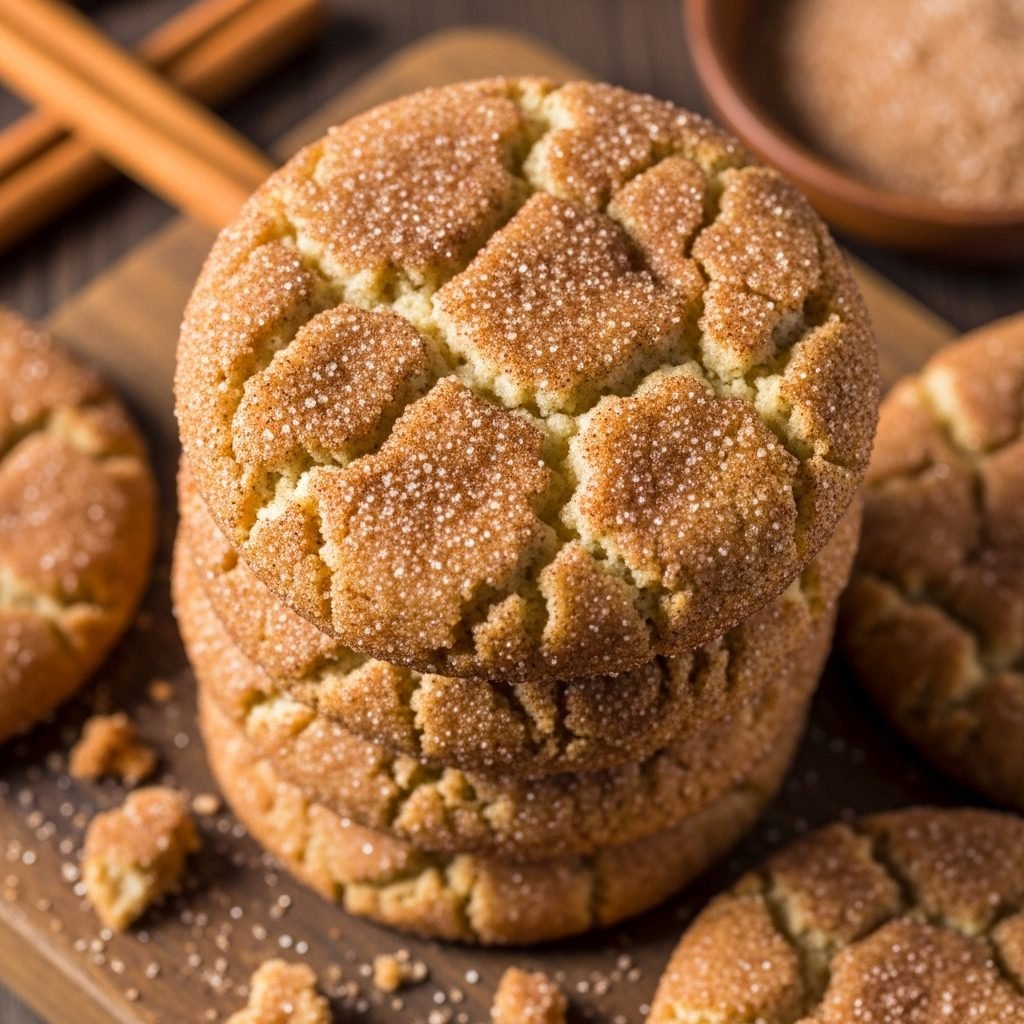
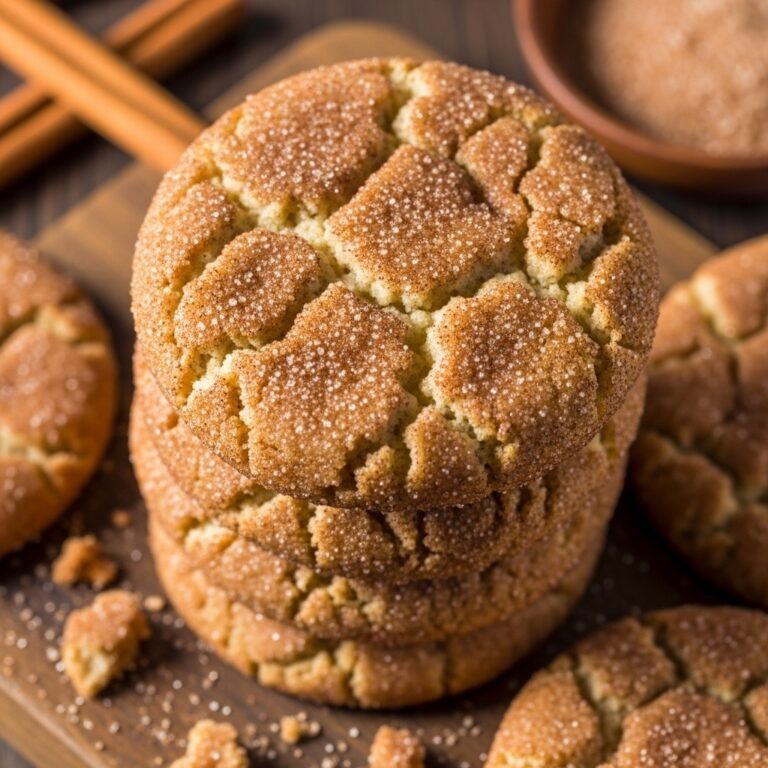
Is there anything more comforting than the smell of cinnamon and sugar wafting through your kitchen? Snickerdoodle cookies are the epitome of cozy baking—soft, pillowy cookies with slightly crispy edges, rolled in a generous coating of cinnamon sugar that creates the most irresistible sweet-spiced crust. These classic American cookies have been warming hearts and homes for generations, and once you bite into that tender, tangy center with its signature crackled top, you’ll understand exactly why they’ve stood the test of time.
What makes Snickerdoodles truly special is their unique flavor profile. Unlike regular sugar cookies, Snickerdoodles contain cream of tartar, which gives them a subtle tangy flavor that perfectly balances the sweetness and complements that generous cinnamon-sugar coating. The result is a cookie that’s familiar yet distinctive—comforting like your favorite childhood memory but sophisticated enough to serve at any gathering.
These cookies are perfect for absolutely any occasion: holiday cookie exchanges, bake sales, after-school snacks, potluck desserts, or simply because it’s Tuesday and you deserve something wonderful. They’re also fantastic for gifting—package them in a cute tin or cellophane bag, and you’ve got a homemade present that will make anyone’s day. Whether you’re an experienced baker or just starting your cookie journey, Snickerdoodles are forgiving, fun to make, and guaranteed to disappear from the cookie jar faster than you can say “snickerdoodle!”
History / Background
The origin story of Snickerdoodles is delightfully mysterious and debated among food historians, with several competing theories about where these beloved cookies came from and how they got their whimsical name. What we know for certain is that Snickerdoodles are distinctly American, with the earliest published recipes appearing in American cookbooks in the late 1800s.
One popular theory suggests the name comes from the German word “Schneckennudel,” which refers to a type of cinnamon-dusted sweet roll shaped like a snail. German immigrants who settled in Pennsylvania Dutch country may have created a cookie version of this pastry, and the name gradually evolved into “Snickerdoodle” through American pronunciation. This theory makes sense given the strong German baking influence in early American cuisine and the cookie’s prominent cinnamon flavor.
Another theory proposes that “Snickerdoodle” is simply a whimsical, nonsensical name that became popular in New England in the 1800s, a time when playful, made-up words were trendy for naming foods. This was an era that also gave us cookies called “Jumbles” and “Plunkets,” so a silly name like “Snickerdoodle” would fit right in with that naming convention.
What truly sets Snickerdoodles apart from other sugar cookies is the inclusion of cream of tartar in the recipe. This ingredient became widely available in American homes in the mid-1800s and was originally a byproduct of winemaking. Bakers discovered that cream of tartar gave cookies a distinctive tangy flavor and helped create that characteristic crackled surface. It also acts as a leavening agent when combined with baking soda, contributing to the cookie’s soft, cake-like texture.
By the early 1900s, Snickerdoodles had become a staple in American home baking, particularly in the Northeast and Midwest. They gained even more popularity during the mid-20th century when convenience baking became trendy—Snickerdoodles were simple enough for beginner bakers but special enough to feel homemade and thoughtful. The cookies appeared in community cookbooks, church fundraiser collections, and were passed down through generations of family recipe boxes.
Today, Snickerdoodles remain one of America’s most beloved cookie varieties. They’ve achieved iconic status alongside chocolate chip cookies and peanut butter cookies as quintessential American treats. Modern bakers continue to honor the traditional recipe while also creating fun variations, but the classic cinnamon-sugar Snickerdoodle remains the gold standard that captures hearts with every batch.
Why You’ll Love This Recipe
This Snickerdoodle recipe has been tested, tweaked, and perfected to deliver exactly what you want: thick, soft cookies with those signature crackled tops and plenty of cinnamon-sugar coating in every bite. I’ve made these cookies countless times, and they never fail to impress—whether I’m baking for my family, bringing them to a party, or packaging them as gifts.
Here’s what makes this recipe absolutely irresistible:
- Perfect texture every time – Soft and chewy centers with slightly crispy edges that create ideal contrast
- Easy ingredient list – Uses pantry staples you probably already have on hand
- Beginner-friendly – Straightforward process with no complicated techniques required
- Quick to make – From start to finish in under an hour, including baking time
- Kid-approved – Children absolutely love these cookies and can even help roll them in cinnamon sugar
- Amazing aroma – Your entire house will smell like a cinnamon dream while these bake
- Freezer-friendly – Both dough and baked cookies freeze beautifully for future cravings
- Consistent results – This recipe delivers reliable, bakery-quality cookies every single time
- Budget-friendly – Makes 24+ cookies for just a few dollars in ingredients
- Crowd-pleaser guaranteed – I’ve never met anyone who doesn’t love Snickerdoodles
- Great for gifting – Package them up for teachers, neighbors, or anyone who deserves something special
Ingredient Notes
Understanding your ingredients and their roles helps you become a better baker and troubleshoot if anything goes wrong. Let’s break down what makes these Snickerdoodles so special.
All-Purpose Flour: This provides the structure for your cookies. I recommend measuring flour by spooning it into your measuring cup and leveling it off rather than scooping directly from the bag, which can pack in too much flour and create dry cookies. If you want to use a kitchen scale, you’ll need 315g for 2¾ cups. For gluten-free Snickerdoodles, use a 1:1 gluten-free baking flour blend.
Cream of Tartar: This is the secret ingredient that makes Snickerdoodles unique! It’s an acid that reacts with baking soda to help cookies rise and creates that signature tangy flavor that balances the sweetness. It also contributes to the crackled surface texture. You can find cream of tartar in the spice aisle. Don’t skip it or substitute—it’s essential to authentic Snickerdoodles. If you absolutely cannot find it, you can substitute with 2 teaspoons of baking powder, though the flavor won’t be quite the same.
Butter: Use unsalted butter at room temperature so you can control the salt level in your cookies. Room temperature means the butter should be cool but soft enough that you can leave a fingerprint when you press it—not melted or too warm. Butter that’s too warm will cause cookies to spread too much and become flat.
Granulated Sugar: You’ll use sugar in two places: in the cookie dough for sweetness and structure, and mixed with cinnamon for the coating. The sugar helps create tender cookies and contributes to the crispy edges. Don’t substitute with brown sugar in the dough, as it will change the texture and flavor significantly.
Eggs: Use large eggs at room temperature. Room temperature eggs incorporate more smoothly into the dough and create better texture. To quickly bring eggs to room temperature, place them in a bowl of warm (not hot) water for 5-10 minutes.
Vanilla Extract: Pure vanilla extract adds warmth and depth to the flavor. While you can use imitation vanilla, the pure stuff makes a noticeable difference in these simple cookies where every flavor shines through.
Cinnamon: This is where Snickerdoodles get their signature flavor! Use fresh ground cinnamon for the best taste—old cinnamon loses its potency and can taste dusty. Ceylon cinnamon (also called “true cinnamon”) is slightly sweeter and more delicate, while Cassia cinnamon (the common supermarket variety) is stronger and spicier. Both work beautifully!
Baking Soda: This leavening agent reacts with the cream of tartar to help cookies rise and creates that lovely crackled surface. Make sure yours is fresh (test it by mixing a bit with vinegar—it should fizz vigorously).
Salt: Essential for enhancing all the other flavors and balancing the sweetness. Don’t skip it!
Equipment Needed
Having the right tools makes baking easier and more enjoyable. Here’s what you’ll need:
- Stand mixer or hand mixer – Makes creaming butter and sugar much easier, though you can do it by hand
- Large mixing bowls (at least 2) – One for the dough, one for the cinnamon-sugar coating
- Measuring cups and spoons – Accurate measurements are crucial for consistent results
- Kitchen scale (optional but recommended) – For the most precise measurements
- Baking sheets (at least 2) – For baking multiple batches
- Parchment paper or silicone baking mats – Prevents sticking and ensures even baking
- Cookie scoop – A 1.5-tablespoon cookie scoop ensures uniform size and saves time
- Wire cooling racks – Allow proper air circulation so cookies cool evenly
- Rubber spatula – For scraping down bowl sides and mixing
- Small bowl – For mixing the cinnamon-sugar coating
- Plastic wrap – If you need to chill the dough
- Airtight container – For storing your finished cookies
Print

Perfect Snickerdoodle Cookies Recipe: Soft, Chewy, and Cinnamon-Sugar Heaven
These classic Snickerdoodle Cookies feature soft, chewy centers with crispy edges, all covered in a generous coating of cinnamon sugar. With their signature tangy flavor from cream of tartar and beautiful crackled tops, these cookies are an American favorite that’s perfect for any occasion.
- Total Time: 45 minutes
- Yield: 24 cookies 1x
Ingredients
ScaleFor the Cookie Dough:
- 2¾ cups (315g) all-purpose flour
- 2 teaspoons cream of tartar
- 1 teaspoon baking soda
- ½ teaspoon salt
- 1 cup (2 sticks or 226g) unsalted butter, room temperature
- 1½ cups (300g) granulated sugar
- 2 large eggs, room temperature
- 1 teaspoon pure vanilla extract
For the Cinnamon-Sugar Coating:
- ¼ cup (50g) granulated sugar
- 1 tablespoon ground cinnamon
Instructions
Step 1: Preheat and Prepare
Position your oven racks in the upper and lower thirds of the oven and preheat to 375°F (190°C). Line two baking sheets with parchment paper or silicone baking mats. Set aside. Having everything prepared before you start mixing makes the process smooth and stress-free!Step 2: Mix the Dry Ingredients
In a medium bowl, whisk together the flour, cream of tartar, baking soda, and salt until well combined. Whisking ensures all the leavening agents are evenly distributed, which means your cookies will rise uniformly. Set this bowl aside—you’ll add it to the wet ingredients later.Step 3: Cream Butter and Sugar
In a large bowl using your stand mixer or hand mixer, beat the room-temperature butter and 1½ cups sugar together on medium-high speed for 3-4 minutes until light, fluffy, and pale in color. This creaming process is crucial—it incorporates air into the dough, creating lighter, more tender cookies. Scrape down the sides of the bowl occasionally to ensure everything mixes evenly. The mixture should look almost white and doubled in volume when properly creamed.Step 4: Add Eggs and Vanilla
Add the eggs one at a time, beating well after each addition (about 30 seconds per egg). The mixture might look slightly curdled after adding eggs—that’s completely normal! Add the vanilla extract and mix until combined. Scrape down the bowl sides again to catch any unmixed bits.Step 5: Incorporate Dry Ingredients
With your mixer on low speed, gradually add the flour mixture to the butter mixture, mixing just until no dry streaks remain and the dough comes together. Don’t overmix or your cookies will be tough! The dough should be thick, soft, and slightly sticky. If it seems very sticky, you can refrigerate it for 15-20 minutes to make rolling easier, but this step is optional.Step 6: Prepare the Cinnamon-Sugar Coating
In a small bowl, whisk together the ¼ cup sugar and 1 tablespoon cinnamon until well blended. Make sure there are no cinnamon clumps—you want an even coating on every cookie. Set this bowl near your workspace for easy access.Step 7: Shape and Coat the Cookies
Using a cookie scoop or tablespoon, scoop dough into balls about 1½ tablespoons each (roughly the size of a golf ball). Roll each ball between your palms to make it smooth and round, then roll generously in the cinnamon-sugar mixture until completely coated. Don’t be shy with the coating—that generous layer of cinnamon sugar is what makes Snickerdoodles so special! Place the coated dough balls on your prepared baking sheets, spacing them about 2-3 inches apart to allow for spreading.Step 8: Bake to Perfection
Bake for 9-11 minutes, rotating the baking sheets halfway through for even browning. The cookies are done when the edges are set and lightly golden but the centers still look slightly underdone and puffy—they’ll look a bit too soft, and that’s exactly what you want! They’ll continue cooking on the hot pan after you remove them from the oven. Overbaking is the enemy of soft, chewy Snickerdoodles, so err on the side of slightly underdone.Step 9: Cool on the Pan
Let the cookies cool on the baking sheet for 5 minutes. This cooling time is essential—moving them too soon can cause them to fall apart or lose their shape. After 5 minutes, they’ll be firm enough to transfer to a wire cooling rack using a spatula. Let them cool completely on the rack, though they’re absolutely delicious eaten slightly warm!Step 10: Repeat and Enjoy
Repeat the baking process with any remaining dough (you can reuse the same baking sheets once they’ve cooled slightly). Once all your cookies are baked and cooled, try to resist eating them all immediately—though I completely understand if you can’t! Store any leftovers (if there are any!) in an airtight container.Notes
- Room temperature ingredients – Essential for proper creaming and texture
- Don’t overbake – Cookies should look slightly underdone when you pull them out
- Chill if needed – If your dough is too sticky to handle, refrigerate for 15-20 minutes
- Consistent size – Use a cookie scoop for uniform cookies that bake evenly
- Fresh cream of tartar – Check the expiration date for best tangy flavor
- Generous coating – Don’t skimp on the cinnamon-sugar for maximum flavor!
- Prep Time: 15 minutes
- Cook Time: 10 minutes per batch
- Category: Dessert
- Method: Baking
- Cuisine: American
- Diet: Vegetarian
Nutrition
- Serving Size: 1 cookie
- Calories: 165
- Sugar: 15g
- Sodium: 115mg
- Fat: 8g
- Saturated Fat: 5g
- Unsaturated Fat: 2.5g
- Trans Fat: 0g
- Carbohydrates: 22g
- Fiber: 5g
- Protein: 2g
- Cholesterol: 35mg
Tips & Variations
Flavor Variations:
- Chocolate Chip Snickerdoodles: Fold 1 cup chocolate chips into the dough before shaping
- Pumpkin Spice: Replace cinnamon in the coating with pumpkin pie spice
- Chai Snickerdoodles: Add ½ teaspoon cardamom and ¼ teaspoon ginger to the cinnamon-sugar
- Maple Snickerdoodles: Replace vanilla with maple extract and add ¼ cup maple sugar to coating
- Espresso Snickerdoodles: Add 1 tablespoon instant espresso powder to the dry ingredients
Mix-In Options:
- Nuts: Fold in ½ cup finely chopped pecans or walnuts for crunch
- White Chocolate: Add 1 cup white chocolate chips for extra sweetness
- Toffee Bits: Fold in ½ cup toffee bits for caramel flavor
- Dried Fruit: Mix in ½ cup finely chopped dried cranberries or raisins
Dietary Modifications:
- Gluten-Free: Use a 1:1 gluten-free flour blend (like Bob’s Red Mill)
- Vegan: Substitute butter with vegan butter and use flax eggs (2 tablespoons ground flaxseed + 5 tablespoons water)
- Reduced Sugar: You can reduce the sugar in the dough by ¼ cup, though texture will be affected slightly
Size Variations:
- Mini Snickerdoodles: Use 1 teaspoon of dough per cookie, bake for 6-8 minutes
- Giant Snickerdoodles: Use ¼ cup dough per cookie, bake for 12-14 minutes
- Cookie Bars: Press dough into a 9×13″ pan, sprinkle with cinnamon-sugar, bake for 20-25 minutes
Pro Chef Tips
The Creaming Stage is Critical: Professional bakers know that properly creaming butter and sugar is what creates light, tender cookies. Beat the mixture for the full 3-4 minutes—it should be noticeably paler in color and fluffy in texture. This process incorporates air that helps cookies rise and creates a tender crumb. If you under-cream, your cookies will be dense; if you over-cream (rare but possible), they can be too fragile.
Temperature Control Throughout: Keep your kitchen cool if possible—dough that gets too warm will spread excessively in the oven. If your hands are very warm and the dough starts feeling greasy as you roll it, pop the shaped balls in the freezer for 10 minutes before coating in cinnamon-sugar. Cold dough balls result in thicker, puffier cookies that don’t spread as much.
The Double-Coat Technique: For maximum cinnamon-sugar coverage and flavor, pastry chefs sometimes use this trick: roll cookies in the cinnamon-sugar once, then lightly wet your hands with water, roll the balls again between damp palms (very lightly!), and roll in cinnamon-sugar a second time. This creates an extra-thick coating that’s absolutely delicious and creates stunning visual appeal with lots of cracks.
Underbaking is Your Friend: Professional bakers always slightly underbake cookies for chewy centers. When you pull them from the oven, Snickerdoodles should look puffy with slightly wet-looking centers. They’ll sink as they cool and firm up to the perfect texture. If they look completely done in the oven, they’ll be overdone once cooled. Start checking at 9 minutes and trust the visual cues over timing.
The Pan Rotation Trick: Halfway through baking, rotate your baking sheets front to back AND swap the top and bottom sheets. Ovens have hot spots and bake unevenly, so this rotation ensures all cookies bake uniformly. It takes 5 seconds and makes a noticeable difference in consistency across your entire batch.
Cream of Tartar Matters: While some recipes offer substitutions for cream of tartar, professional bakers insist it’s essential for authentic Snickerdoodles. It provides that signature tang, helps create the crackled surface, and produces the characteristic chewy texture. If you find your cream of tartar is old (over a year), replace it—fresh cream of tartar makes noticeably better cookies.
Common Mistakes to Avoid
Using Melted or Too-Soft Butter: Butter should be at room temperature, not melted or very soft and greasy. If you can easily press a finger into the butter and leave an indent but it still holds its shape, that’s perfect. Butter that’s too warm causes cookies to spread too much and become thin and crispy instead of thick and chewy. If your butter got too soft, pop it in the fridge for 10-15 minutes to firm up.
Overmixing After Adding Flour: Once you add the flour mixture, mix only until you don’t see dry streaks anymore, then stop! Overmixing develops gluten in the flour, which makes cookies tough and dense instead of tender and soft. It’s okay if mixing takes a little time on low speed—just avoid prolonged or vigorous mixing once flour is added.
Skipping the Room Temperature Eggs: Cold eggs don’t incorporate smoothly into room-temperature butter, creating an uneven mixture that can result in cookies with inconsistent texture. Cold eggs can also cause the butter to firm up and separate. Always let eggs sit at room temperature for 30 minutes, or quick-warm them in a bowl of warm water for 10 minutes.
Overbaking the Cookies: This is probably the most common mistake! Snickerdoodles should be removed from the oven when the edges are set but the centers still look slightly underdone and puffy. They will NOT look done, and you might feel nervous removing them—but trust the process! They continue baking on the hot sheet for several minutes after removal. If you wait until they look completely done in the oven, you’ll end up with dry, hard cookies.
Not Spacing Cookies Properly: Snickerdoodles spread as they bake, so place dough balls at least 2-3 inches apart on your baking sheet. If you crowd them, they’ll bake into each other and you’ll end up with cookie blobs instead of individual cookies with pretty crackled tops. It’s better to bake in multiple batches with proper spacing than to crowd one sheet.
Storage & Meal Prep
Room Temperature Storage: Store completely cooled cookies in an airtight container at room temperature for up to 5 days. To keep them extra soft, place a slice of bread in the container with the cookies—the cookies will absorb moisture from the bread, staying chewy and tender. Replace the bread every couple of days. Layer cookies between sheets of parchment paper to prevent them from sticking together.
Maintaining Softness: If your cookies become a bit too crisp after storage, here’s a trick: place them in an airtight container with a damp (not wet) paper towel laid over the top (not touching the cookies), seal, and leave for a few hours. The moisture will soften them back up. Alternatively, microwave individual cookies for 10-15 seconds to soften them and make them taste freshly baked.
Refrigerator Storage: While not necessary, you can refrigerate cookies in an airtight container for up to 10 days. The cold can make them firmer, so let them come to room temperature for 10-15 minutes before eating, or warm them briefly in the microwave (10-15 seconds) for that fresh-baked texture and warmth.
Reviving Day-Old Cookies: To make day-old cookies taste fresh-baked, warm them in a 300°F oven for 3-5 minutes. They’ll soften up and the cinnamon sugar will smell amazing again. This trick is perfect when you want to serve “freshly baked” cookies to unexpected guests!
Make-Ahead & Freezer Notes
Freezing Cookie Dough: This is my favorite make-ahead method! Shape the dough into balls, roll them in cinnamon-sugar, place on a baking sheet, and freeze until solid (about 2 hours). Transfer frozen dough balls to a freezer-safe zip-top bag or container. They’ll keep for up to 3 months. Bake directly from frozen—no thawing needed!—just add 1-2 extra minutes to the baking time. This means you can have fresh, warm Snickerdoodles anytime the craving strikes!
Freezing Baked Cookies: Fully cooled cookies freeze beautifully for up to 3 months. Layer them between sheets of parchment paper in an airtight container or freezer bag, removing as much air as possible. Thaw at room temperature for 15-20 minutes, or warm frozen cookies in a 300°F oven for 5-7 minutes to enjoy them warm and soft like they just came out of the oven.
Refrigerating Dough: You can make the dough up to 3 days ahead and refrigerate it in an airtight container. Cold dough is actually easier to work with and results in thicker cookies that spread less. Let it sit at room temperature for 10-15 minutes before shaping if it’s too firm to scoop. Shape, coat in cinnamon-sugar, and bake as directed.
Pre-Mixing Dry Ingredients: Measure and whisk together all your dry ingredients up to 1 week ahead and store in an airtight container. When you’re ready to bake, you’ll save time and can jump straight to the creaming stage. Similarly, mix your cinnamon-sugar coating ahead and store it in a small jar.
Batch Baking Strategy: If you’re baking for a crowd or holiday, consider making multiple batches of dough, shaping all the cookies, freezing them, then baking them in batches as needed over several days. This spreads out the work and ensures a constant supply of fresh cookies without daily baking marathons.
Serving Suggestions
Snickerdoodles are delicious on their own, but they truly shine when paired with complementary beverages and accompaniments.
Beverage Pairings:
- Hot Coffee or Espresso: The slight bitterness of coffee beautifully balances the sweet cinnamon-sugar coating
- Hot Tea: Try chai tea, cinnamon spice tea, or Earl Grey for flavors that complement the cookies
- Cold Milk: The classic pairing—nothing beats dunking a warm Snickerdoodle in cold milk
- Hot Chocolate: Double the cinnamon comfort with rich hot cocoa topped with whipped cream
- Spiced Apple Cider: The warm spices echo the cinnamon in the cookies perfectly
- Eggnog: During holidays, the creamy, spiced eggnog is a match made in heaven
Ice Cream Sandwiches: Use two slightly underbaked Snickerdoodles (they’ll be softer and more pliable) with a scoop of vanilla, cinnamon, or dulce de leche ice cream in between. Roll the edges in extra cinnamon sugar or mini chocolate chips for a stunning presentation.
Cookie Platter Ideas: Arrange Snickerdoodles on a platter with other classic cookies like chocolate chip, oatmeal raisin, and peanut butter for variety. The different textures and flavors create an appealing dessert spread for parties or gatherings.
Breakfast Twist: Serve Snickerdoodles alongside your morning coffee as a sweet breakfast treat. They pair beautifully with yogurt parfaits or fresh fruit for a more balanced morning indulgence.
Dessert Toppings: Crumble Snickerdoodles over vanilla ice cream, yogurt, or pudding for added texture and cinnamon flavor. They also make excellent pie or cheesecake crusts when finely crushed and mixed with melted butter.
FAQs Section
Why are my Snickerdoodles flat instead of thick and puffy?
Several factors cause flat cookies: butter that was too warm when mixing (it should be room temperature but still firm), old or insufficient leavening agents (check expiration dates on baking soda and cream of tartar), too much flour when measuring (use the spoon-and-level method), or an oven that’s not hot enough (use an oven thermometer to verify temperature). Also, make sure you’re creaming the butter and sugar for the full 3-4 minutes to incorporate enough air.
Can I substitute baking powder for the cream of tartar and baking soda?
In a pinch, you can use 2 teaspoons of baking powder instead of the cream of tartar and baking soda combination, but the cookies won’t have that signature tangy flavor that makes Snickerdoodles unique. The texture will also be slightly different—more like a regular sugar cookie. Cream of tartar is what gives Snickerdoodles their distinctive taste and chewy texture, so I strongly recommend finding it for authentic results.
How do I prevent my cookies from spreading too much?
Chill your dough for 15-30 minutes before shaping if it seems too soft or sticky. Make sure your butter was at proper room temperature (not too soft or melted) when mixing. Don’t skip the creaming step—properly creamed butter and sugar creates structure. Also, make sure your baking soda is fresh and your oven is fully preheated to the correct temperature. Finally, don’t flatten the dough balls before baking—let them bake as rounded balls.
Why don’t my Snickerdoodles have cracks on top?
The signature crackled surface comes from the reaction between baking soda and cream of tartar creating lift while the cinnamon-sugar coating provides resistance. Make sure you’re using fresh leavening agents, rolling cookies generously in the cinnamon-sugar coating, and baking at the correct temperature (375°F). Also, don’t overbake—cookies should come out while still looking slightly underdone in the centers. The cracks form as cookies bake and then set as they cool.
Can I make Snickerdoodles without cream of tartar?
While cream of tartar is traditional and creates the authentic Snickerdoodle flavor and texture, you can substitute with 2 teaspoons of baking powder if necessary. However, you’ll lose that characteristic tangy flavor that distinguishes Snickerdoodles from regular cinnamon-sugar cookies. If you plan to bake Snickerdoodles regularly, it’s worth buying cream of tartar—one container lasts for months.
How do I know when Snickerdoodles are done baking?
Snickerdoodles are done when the edges are set and very lightly golden but the centers still look slightly puffy and underdone—almost like they need another minute. This is exactly when you should remove them! They’ll continue cooking on the hot baking sheet for several minutes after you take them out. If you wait until they look completely done in the oven, they’ll be overbaked and hard once cooled. Start checking at 9 minutes and trust your eyes over the timer.
Why do my Snickerdoodles taste flat or bland?
This usually means your cream of tartar is old and has lost potency, or you didn’t use enough cinnamon in the coating. Check the expiration date on your cream of tartar—it should smell tangy and acidic. If it’s old, replace it. Also, make sure you’re using a full tablespoon of cinnamon in the coating mixture and rolling cookies generously in it. Fresh, high-quality cinnamon makes a noticeable difference in flavor!
Conclusion
There you have it—everything you need to know to create perfect Snickerdoodle Cookies that will have everyone begging for your recipe! These classic American cookies are truly special with their soft, chewy texture, signature tangy flavor, and that irresistible cinnamon-sugar coating that makes every bite pure comfort. Whether you’re baking them for the first time or the hundredth time, I hope this detailed guide helps you create the best Snickerdoodles you’ve ever tasted.
The beauty of Snickerdoodles is that they’re simple enough for beginners yet beloved by experienced bakers. They’re the kind of cookie that makes your house smell like home, brings back childhood memories, and creates new traditions. Once you’ve mastered this recipe, you’ll find yourself making them for every occasion—and probably just because it’s Wednesday and you want something wonderful!
I’d absolutely love to hear how your Snickerdoodles turn out! Did you try any of the variations? Do you have a special memory associated with these cookies? Drop a comment below and share your baking adventures with me—I read every single comment and genuinely love connecting with fellow cookie lovers!
Please save this recipe to your Pinterest dessert board so you can find it easily whenever that Snickerdoodle craving hits (and trust me, it will hit often once you’ve made these!). If you snap a photo of your beautiful batch of cookies, tag me on social media—I absolutely love seeing your baking creations and sharing them with our community!
Now grab your cinnamon and get ready to bake some magic. Your kitchen is about to smell absolutely amazing, and you’re about to have the softest, chewiest, most delicious Snickerdoodles ever. Happy baking, friends! 🍪✨