Lemon Poppy Seed Overnight Oats Recipe (Bright & Refreshing!)
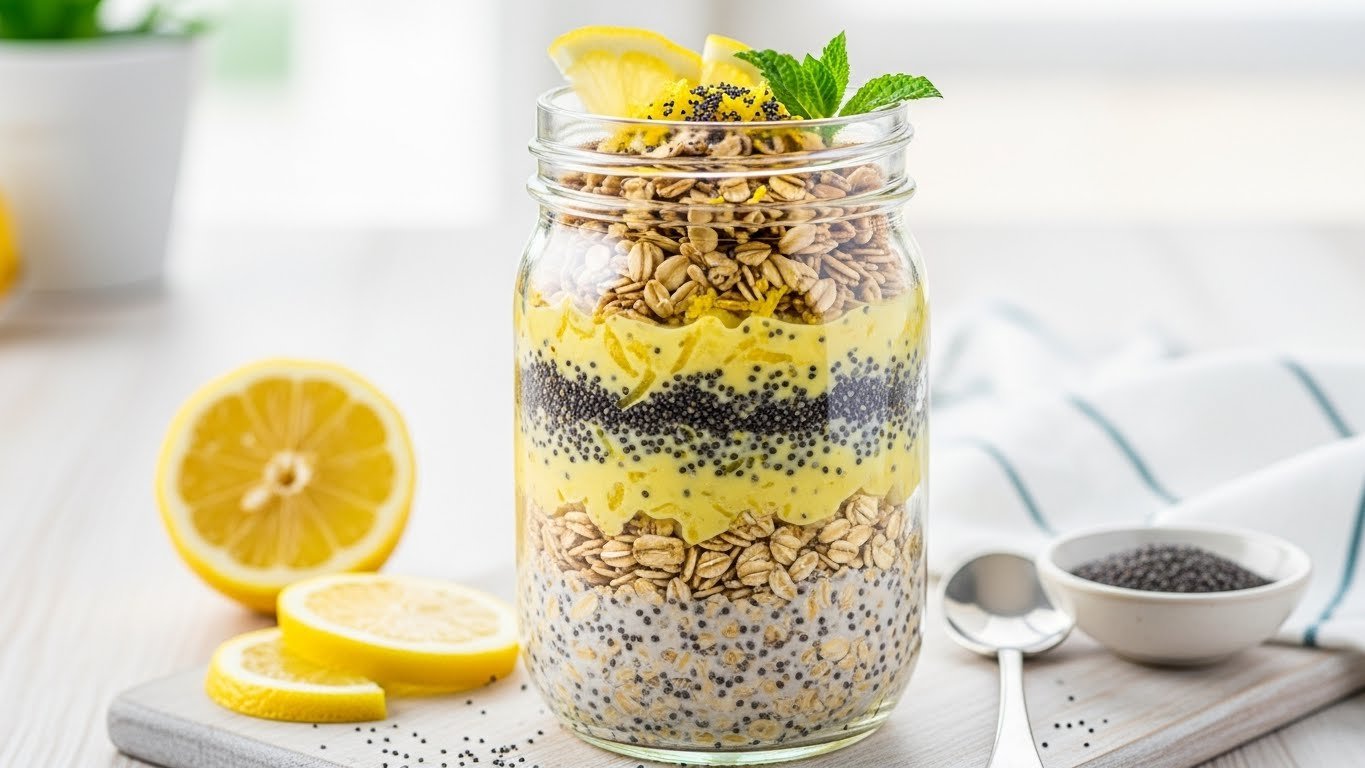
Lemon Poppy Seed Overnight Oats bring the beloved flavors of classic lemon poppy seed muffins to your breakfast table in the most convenient, nutritious way possible. This bright, refreshing no-cook recipe combines wholesome rolled oats with fresh lemon zest, tangy lemon juice, and crunchy poppy seeds to create a breakfast that tastes like spring morning sunshine captured in a jar. The creamy texture from Greek yogurt, subtle sweetness from honey, and distinctive crunch from poppy seeds make these overnight oats feel special and indulgent while being packed with fiber, protein, and energizing nutrients.
Perfect for spring and summer mornings when you crave something light and refreshing, these oats are ideal for Mother’s Day brunch, Easter breakfast, garden party brunches, or any time you want a bright, citrusy start to your day. They’re also fantastic for meal prep—make a batch on Sunday and have a refreshing, grab-and-go breakfast ready all week. The lemon flavor is invigorating without being too tart, making these oats appealing to both citrus lovers and those who typically prefer sweeter breakfasts. Plus, the combination of lemon and poppy seed is so classic and comforting that it feels like enjoying your favorite bakery treat, but actually good for you.
History / Background
The story of Lemon Poppy Seed Overnight Oats is really the convergence of several culinary traditions. To understand this recipe, we need to explore the origins of overnight oats, the beloved lemon poppy seed flavor combination, and how health-conscious cooking has transformed traditional baked goods into breakfast bowls.
Overnight oats trace their ancestry to Bircher muesli, created around 1900 by Swiss physician Maximilian Bircher-Brenner for patients at his sanatorium in Zurich. His original recipe combined raw oats soaked overnight in water with grated apple, lemon juice, condensed milk, and ground hazelnuts. The concept was revolutionary—promoting raw, whole foods for better digestion and health at a time when most foods were heavily processed or cooked. While Bircher muesli remained popular in Europe throughout the 20th century, overnight oats didn’t explode in American popularity until the 2010s with the rise of Pinterest, health food blogging, and meal prep culture.
The lemon poppy seed combination has a more complex history. Poppy seeds have been cultivated for thousands of years, with evidence of their use dating back to ancient Mesopotamia and Egypt. They were prized not only for their mild, nutty flavor but also for the oil extracted from them. Poppy seeds made their way through European cuisine, becoming particularly popular in Central and Eastern European baking—think Polish makowiec (poppy seed roll) and German mohnkuchen (poppy seed cake).
The specific pairing of lemon and poppy seed, however, is largely an American innovation that became popular in the mid-to-late 20th century. Lemon poppy seed muffins emerged as a coffeehouse and bakery staple in the 1980s and 1990s, becoming one of the most iconic muffin flavors alongside blueberry and bran. The combination works brilliantly because the bright, acidic lemon cuts through the richness of the muffin while the tiny poppy seeds add textural interest and a subtle nutty flavor. This flavor pairing spread to other baked goods—cakes, scones, loaves, cookies—becoming a signature of American bakery culture.
The transformation of this beloved flavor profile into overnight oats represents the modern food movement’s genius for reinterpreting classic flavors in healthier formats. Rather than flour, butter, and sugar as the base, we use fiber-rich oats, protein-packed Greek yogurt, and natural sweeteners. The essence of lemon poppy seed—that bright citrus flavor with distinctive crunch—remains intact, but reimagined for health-conscious eaters who still want their food to taste amazing. This recipe became popular on food blogs around 2014-2016, part of the broader trend of creating “muffin-flavored” overnight oats that capture bakery nostalgia in a nutritious breakfast bowl.
Why You’ll Love This Recipe
Lemon Poppy Seed Overnight Oats are everything you want in a breakfast: refreshing, convenient, delicious, and genuinely good for you. They prove that healthy eating can be bright, flavorful, and exciting rather than boring or restrictive. The invigorating lemon flavor is like a wake-up call for your taste buds, making these perfect for people who struggle with morning appetite or need something to cut through morning grogginess.
Here’s why these will become your new favorite breakfast:
- Tastes like lemon poppy seed muffins – All the flavor of your favorite bakery treat with more protein, more fiber, and less sugar. It’s comfort food that actually loves you back.
- No cooking required – Mix everything in under 10 minutes the night before, then wake up to a ready-made breakfast. Perfect for busy mornings or hot summer days when you don’t want to cook.
- Bright and refreshing – The citrus flavor is invigorating and energizing, making these perfect for spring and summer or anytime you need a mood lift.
- Meal prep champion – Make 4-5 jars on Sunday and have breakfast sorted all week. One prep session equals five stress-free mornings.
- Light yet filling – The combination of oats, Greek yogurt, and chia seeds keeps you satisfied until lunch without feeling heavy in your stomach.
- Naturally energizing – The fresh lemon provides vitamin C, while complex carbs from oats give sustained energy without a crash.
- Protein-packed – Greek yogurt delivers 15+ grams of protein per serving, keeping you full and focused all morning.
- Perfect for citrus lovers – If you love lemon bars, lemon cake, lemon curd, or anything lemony, you’ll be obsessed with these oats.
- Budget-friendly – Uses affordable pantry staples and just one fresh lemon. Costs pennies per serving compared to bakery muffins or restaurant breakfast.
- Seasonally versatile – Refreshing in summer, bright and cheerful in dreary winter, perfect for spring celebrations, and comforting in fall.
- Gluten-free and vegetarian friendly – Easily adapted for various dietary needs without sacrificing flavor.
Ingredient Notes
Understanding your ingredients helps you achieve the best results and make smart substitutions when needed. Here’s what goes into these sunshine-bright overnight oats:
Rolled Oats (Old-Fashioned Oats) – The hearty foundation that makes overnight oats work. Rolled oats have been steamed and flattened, allowing them to absorb liquid perfectly overnight without becoming mushy or staying too crunchy. They provide complex carbohydrates, soluble fiber (especially beta-glucan, which supports heart health), and that satisfying, creamy-yet-textured consistency. Never use instant oats (they’ll turn to paste) or steel-cut oats (they won’t soften without cooking). For gluten-free needs, use certified gluten-free oats processed in dedicated facilities.
Milk – Provides the liquid base that transforms dry oats into creamy breakfast perfection. Whole milk gives the richest, most indulgent texture similar to actual muffins, but 2%, 1%, or skim milk all work beautifully. For dairy-free versions, unsweetened almond milk is light and won’t compete with the lemon flavor, while oat milk is creamy and substantial. Coconut milk adds richness, though the coconut flavor may come through slightly. Avoid very sweet non-dairy milks that might clash with the tartness.
Greek Yogurt – Adds substantial protein (15-20g per serving), creates ultra-creamy texture, and provides tanginess that complements the lemon beautifully. Plain, unsweetened Greek yogurt is ideal so you control the sweetness level. The tanginess mimics the slight sourness you’d get from buttermilk in traditional lemon poppy seed muffins. For dairy-free, use coconut yogurt (rich and creamy), almond yogurt, or soy yogurt (highest plant-based protein). Regular yogurt can substitute but won’t be as thick or protein-rich.
Fresh Lemon – The star ingredient that gives these oats their signature bright, sunny flavor. You’ll need both zest and juice for maximum impact. Fresh lemons are essential—bottled lemon juice lacks the aromatic oils and bright, complex flavor of fresh. The zest contains the lemon’s essential oils where much of the flavor lives, while the juice provides acidity and tang. One medium lemon typically yields about 1 tablespoon of zest and 2-3 tablespoons of juice. Choose lemons that feel heavy for their size (more juice) with smooth, bright yellow skin.
Poppy Seeds – The signature ingredient that makes these lemon poppy seed oats. These tiny blue-grey seeds add a subtle nutty flavor, pleasant crunch, and visual appeal with their distinctive speckled appearance. Beyond taste and texture, poppy seeds provide small amounts of calcium, phosphorus, and iron. You’ll find them in the spice aisle of most grocery stores. They’re essential to the recipe’s identity, though if you have a poppy seed allergy or can’t find them, chia seeds can substitute (different flavor but similar appearance and crunch).
Honey or Maple Syrup – Natural sweeteners that balance the tart lemon and create that muffin-like sweetness. Honey pairs particularly well with lemon (think classic honey-lemon tea), but maple syrup works beautifully too and is vegan-friendly. Start with 2 tablespoons and adjust based on your sweetness preference and the tartness of your lemon. You can also use agave nectar, or for sugar-free options, try monk fruit sweetener or stevia (start with less and adjust, as these are much sweeter).
Vanilla Extract – Enhances and rounds out all the other flavors. Pure vanilla extract is always preferable for the best taste, though imitation vanilla works in a pinch. The vanilla bridges the lemon and sweetness, creating depth and that bakery-style quality.
Chia Seeds (Optional but Recommended) – Add thickness, omega-3 fatty acids, extra fiber, and help create that perfect pudding-like consistency. When soaked, chia seeds form a gel that makes overnight oats extra creamy and helps hold everything together. They’re nutritional powerhouses too, packed with fiber, protein, and healthy fats. If you don’t have chia seeds, you can increase poppy seeds slightly or use ground flaxseed.
Salt – Just a tiny pinch enhances all the other flavors, balances the sweetness, and prevents the oats from tasting flat. Salt makes lemon taste more lemony and sweet things taste sweeter. Never skip it!
Equipment Needed
Lemon Poppy Seed Overnight Oats require minimal equipment, which is part of their beauty. Here’s what you’ll need:
- Mason jars or airtight containers – 12-16 ounce mason jars are perfect for individual servings and look beautiful. Any airtight containers work—meal prep containers with lids, glass food storage containers, or even small bowls tightly covered with plastic wrap. Wide-mouth jars are easier for eating directly from. Glass is ideal because it doesn’t absorb odors or stain.
- Measuring cups and spoons – For accurate measurements of oats, liquids, lemon juice, and other ingredients. Precision matters for achieving the perfect texture and flavor balance.
- Mixing bowl – A medium bowl for combining all the ingredients comfortably. Make sure it’s large enough to stir without spilling.
- Microplane or fine grater – Essential for zesting the lemon. A microplane creates fine, fluffy zest that distributes evenly throughout the oats. A box grater’s small holes can work but won’t be as fine.
- Citrus juicer or reamer – Makes extracting lemon juice much easier and more efficient than squeezing by hand. A simple handheld juicer works perfectly. If you don’t have one, you can squeeze lemons by hand, rolling them firmly on the counter first to release more juice.
- Whisk or fork – To thoroughly mix everything together, ensuring even distribution of lemon zest, juice, and poppy seeds.
- Spoon or spatula – For stirring, dividing mixture between jars, and eating.
- Refrigerator – Essential for the overnight magic to happen!
That’s all you need! No stove, no oven, no complicated appliances. Just simple mixing tools and refrigeration for an effortless, delicious breakfast.
Print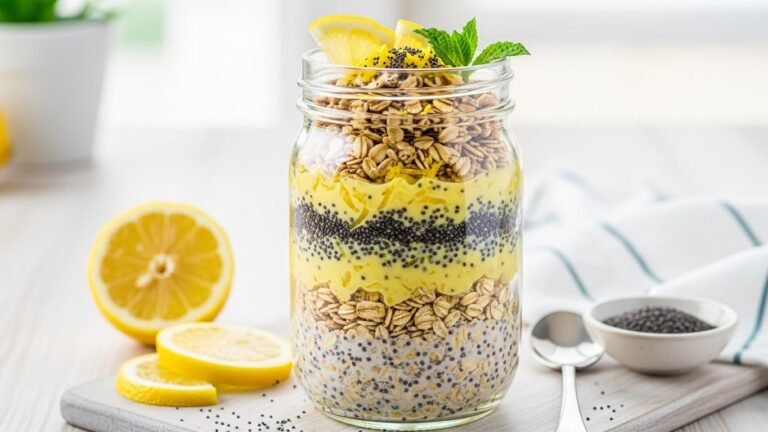
Lemon Poppy Seed Overnight Oats Recipe
Bright and refreshing Lemon Poppy Seed Overnight Oats with fresh lemon zest, tangy lemon juice, and crunchy poppy seeds. This no-cook breakfast tastes like lemon poppy seed muffins but is packed with protein and fiber!
- Total Time: 4 hours 10 minutes (mostly hands-off)
- Yield: 2 servings 1x
Ingredients
For the Overnight Oats:
- 1 cup old-fashioned rolled oats
- 1 cup milk (dairy or non-dairy)
- ½ cup plain Greek yogurt
- Zest of 1 medium lemon (about 1 tablespoon)
- 2-3 tablespoons fresh lemon juice (from the same lemon)
- 2-3 tablespoons honey or maple syrup (adjust to taste)
- 1 tablespoon poppy seeds
- 1 teaspoon vanilla extract
- 1 tablespoon chia seeds (optional but recommended)
- Pinch of salt
Optional Toppings:
- Extra lemon zest
- Fresh blueberries or raspberries
- Sliced almonds or crushed pistachios
- Granola for crunch
- Greek yogurt or coconut yogurt
- Drizzle of honey
- Lemon curd (for special occasions)
- Edible flowers for beautiful presentation
- Coconut flakes
- White chocolate chips
Instructions
Step 1: Zest and Juice Your Lemon
Before you do anything else, zest your lemon using a microplane or fine grater, being careful to only remove the bright yellow outer layer and avoid the bitter white pith underneath. You should get about 1 tablespoon of zest from one large lemon. After zesting, cut the lemon in half and juice it—you’ll need 2-3 tablespoons of juice. Set both aside.
Step 2: Combine Base Ingredients
In a medium mixing bowl, combine the rolled oats, milk, Greek yogurt, maple syrup, vanilla extract, almond extract (if using), chia seeds (if using), and a pinch of salt. Whisk or stir everything together thoroughly until completely combined and smooth. The mixture will look fairly liquid, which is exactly right.
Step 3: Add Lemon and Poppy Seeds
Add the lemon zest, fresh lemon juice, and poppy seeds to the oat mixture. Stir everything together thoroughly to distribute the lemon flavor and poppy seeds evenly throughout. Make sure the lemon zest isn’t clumping—break up any clumps with your fingers or whisk if needed. The mixture should smell bright and lemony.
Step 4: Taste and Adjust
This is important! Taste the mixture (yes, even though it’s raw oats—it’s fine). The flavor should be bright and lemony with balanced sweetness. Remember that cold foods taste less sweet than room temperature foods, so if it tastes perfectly balanced now, you might want to add just a touch more sweetener. The lemon flavor should be pronounced but not puckering. Adjust sweetness or lemon juice as needed.
Step 5: Divide into Containers
Divide the lemon poppy seed oat mixture evenly between two mason jars or airtight containers. Use a spoon or spatula to transfer the mixture, and tap the jars gently on the counter to remove any air bubbles and settle the contents.
Step 6: Refrigerate Overnight
Cover the jars tightly with lids or plastic wrap and refrigerate for at least 4 hours, but overnight (8-12 hours) is ideal for the best texture and flavor development. During this time, the oats will absorb the liquid, the chia seeds will gel if you used them, and all the flavors will meld together beautifully. The lemon flavor will actually intensify slightly as it sits.
Step 7: Add Toppings and Serve
When you’re ready to eat, remove the overnight oats from the refrigerator. Give them a quick stir if desired. The consistency should be creamy but still have some texture from the oats. Add your desired toppings—fresh berries pair beautifully with lemon, as do toasted almonds for crunch. A small dollop of Greek yogurt on top adds extra creaminess and protein. Enjoy cold, or warm gently in the microwave for 30-45 seconds if you prefer a warm breakfast.
Notes
- Lemon Intensity: The amount of lemon zest and juice can be adjusted to your preference. Start with the amounts listed, then add more if you want a stronger lemon flavor. Lemon intensity varies by fruit—some lemons are more tart than others.
- Sweetness Balance: The sweetness needed depends on your lemon’s tartness and your personal preference. Taste before refrigerating and adjust. You can always add more sweetness in the morning with a drizzle of honey or maple syrup.
- Poppy Seeds: If you can’t find poppy seeds or don’t like them, you can omit them entirely—the lemon flavor is the star. The oats will still taste like lemon muffins, just without the visual speckles and subtle crunch.
- Texture Preference: For thicker oats, reduce milk by 2-3 tablespoons or add extra chia seeds. For thinner, more porridge-like oats, add an extra 2-4 tablespoons of milk.
- Make It Vegan: Use non-dairy milk (almond milk is excellent here), dairy-free yogurt (coconut yogurt works well), and maple syrup instead of honey.
- Gluten-Free: Simply use certified gluten-free oats. Everything else is naturally gluten-free.
- Storage: These keep well in the refrigerator for up to 5 days, though the lemon flavor may mellow slightly after day 3.
- Prep Time: 10 minutes
- Cook Time: 0 minutes (chilling time: 4 hours minimum, overnight preferred)
- Category: Breakfast
- Method: No-Cook, Make-Ahead
- Cuisine: American
- Diet: Gluten Free
Nutrition
- Serving Size: 1 jar (about 2 cups)
- Calories: 395
- Sugar: 22g
- Sodium: 125mg
- Fat: 10g
- Saturated Fat: 2g
- Unsaturated Fat: 7g
- Trans Fat: 0g
- Carbohydrates: 62g
- Fiber: 9g
- Protein: 16g
- Cholesterol: 10mg
Tips & Variations
The beauty of overnight oats is infinite customization. Here are delicious ways to make Lemon Poppy Seed Overnight Oats your own:
Flavor Variations:
- Lemon Blueberry Oats: Fold in ½ cup fresh or frozen blueberries before refrigerating for a classic muffin flavor combination.
- Lemon Raspberry: Add fresh raspberries and reduce lemon juice slightly for a tart-on-tart combination.
- Lemon Coconut: Add 2 tablespoons coconut flakes and use coconut milk for a tropical twist.
- Lemon Almond: Increase almond extract to ½ teaspoon and top with toasted sliced almonds for more pronounced almond flavor.
- Lemon Cream: Add 2 tablespoons cream cheese (softened and whisked until smooth) for ultra-creamy, cheesecake-like texture.
- Meyer Lemon: Use Meyer lemons instead of regular lemons for a sweeter, more floral citrus flavor.
- Lemon Lavender: Add a tiny pinch of culinary lavender (⅛ teaspoon maximum) for a sophisticated, spa-like flavor.
Dietary Modifications:
- Higher Protein: Add a scoop of vanilla protein powder (reduce milk by 2-3 tablespoons to compensate) or increase Greek yogurt to ¾ cup.
- Lower Sugar: Use sugar-free sweetener like monk fruit or stevia, choose unsweetened milk and plain yogurt, and reduce added sweetener to 1 tablespoon or eliminate entirely if your lemons are sweet.
- Dairy-Free: Use almond milk, oat milk, or coconut milk, plus coconut yogurt or almond yogurt. The flavor will be slightly different but still delicious.
- Lower Calorie: Use skim milk, non-fat Greek yogurt, and reduce sweetener. Skip nut toppings and use berries instead.
- Nut-Free: Skip almond extract, use oat milk or rice milk instead of almond milk, and avoid nut toppings.
- Higher Fiber: Add an extra tablespoon of chia seeds or ground flaxseed.
Topping Ideas:
- Fresh blueberries, raspberries, or blackberries
- Sliced strawberries
- Toasted sliced almonds or chopped pecans
- Toasted coconut flakes
- Granola for crunch
- A swirl of lemon curd for extra lemon intensity
- White chocolate chips for sweetness
- Greek yogurt dollop with extra lemon zest
- Candied lemon peel (for special occasions)
- Crushed graham crackers
- Chia seed pudding layer on top
- Fresh mint leaves for garnish
Mix-In Ideas:
- White chocolate chips mixed in before refrigerating
- Crushed freeze-dried raspberries or strawberries
- A tablespoon of lemon curd swirled through
- Diced fresh strawberries
- Chopped dried apricots for tartness
- Shredded coconut mixed throughout
Pro Chef Tips
Elevate your Lemon Poppy Seed Overnight Oats from good to exceptional with these professional techniques:
Use Fresh, Not Bottled Lemon Juice: This cannot be stressed enough. Fresh-squeezed lemon juice has a bright, vibrant flavor that bottled lemon juice simply cannot match. Bottled lemon juice tastes flat, slightly bitter, and artificial. Since lemon is the star flavor here, using fresh juice makes an enormous difference in the final result. Buy organic lemons if possible—they’re often more aromatic and flavorful.
Zest Before Juicing: Always zest your lemon before cutting and juicing it. Once a lemon is cut in half, it becomes much harder to zest. Zest the whole lemon first, then cut and juice it. This simple order-of-operations tip saves frustration and ensures you get maximum zest with minimum effort.
Don’t Overzest: Zest only the bright yellow outer layer of the lemon peel, not the white pith underneath. The pith is bitter and will make your oats taste unpleasant. Use light pressure with your microplane and rotate the lemon frequently to avoid hitting the pith. If you see white in your zest, you’ve gone too deep.
Toast Your Poppy Seeds (Optional Advanced Step): For even more complex, nutty flavor, lightly toast your poppy seeds in a dry skillet over medium heat for 2-3 minutes until fragrant, stirring constantly. This intensifies their flavor and aroma. Let them cool completely before adding to your oats. This extra step is completely optional but adds sophisticated depth.
Balance Sweet and Tart: The key to great lemon desserts is balancing the tart acidity of lemon with appropriate sweetness. Taste your mixture before refrigerating—the lemon should be pronounced and bright, but not puckeringly sour. If it’s too tart, add more sweetener. If it’s too sweet, add a bit more lemon juice. Everyone’s lemons are different, so trust your taste buds.
Let Flavor Develop Overnight: While these are edible after 4 hours, the flavor is significantly better after a full overnight soak (8-12 hours). The lemon flavor mellows and integrates with the other ingredients, creating a more rounded, cohesive taste. The poppy seeds also soften slightly, improving the overall texture.
Room Temperature Ingredients Mix Better: If your Greek yogurt is very cold from the refrigerator, it can be harder to incorporate smoothly. Let it sit at room temperature for 10-15 minutes before mixing, or microwave for just 10-15 seconds to take the chill off. This helps create a smoother, more homogeneous mixture.
Add a Touch of Almond Extract: Professional bakers know that many lemon baked goods include a tiny amount of almond extract—it adds complexity and makes the lemon flavor taste more authentic and bakery-like. Just ¼ teaspoon is enough; too much will make them taste like almonds instead of lemon.
Common Mistakes to Avoid
Even simple recipes have potential pitfalls. Here’s how to avoid the most common issues:
Using Bottled Lemon Juice: This is the cardinal sin of lemon recipes. Bottled lemon juice tastes flat, bitter, and artificial compared to fresh-squeezed. Since lemon is the main flavor here, using bottled juice will result in disappointing overnight oats that taste chemical-like rather than bright and fresh. Always use fresh lemons—it takes an extra 2 minutes and makes all the difference in the world.
Forgetting to Zest the Lemon: Some people think lemon juice alone will provide enough lemon flavor, but the zest is where the magic happens. Lemon zest contains essential oils that provide intense lemon aroma and flavor that juice alone can’t achieve. Without zest, your oats will taste vaguely lemony but won’t have that authentic lemon muffin quality. Don’t skip the zest!
Overzesting into the Pith: The white pith under the yellow lemon peel is incredibly bitter and will ruin your oats if you include too much of it. Use a light touch when zesting and rotate the lemon frequently to avoid grinding into the pith. If your zest looks white rather than bright yellow, you’ve gone too deep. It’s better to have less zest than to include bitter pith.
Not Balancing Sweetness and Tartness: Lemons vary dramatically in their acidity level—some are very tart while others are milder. The recipe gives ranges for both lemon juice and sweetener, but you must taste and adjust based on your specific lemons. If you blindly follow measurements without tasting, you might end up with oats that are too sour or too sweet. Always taste before refrigerating and adjust accordingly.
Adding Too Much Liquid: Some people think adding extra milk will make the oats creamier, but it actually makes them soupy and sad. The liquid-to-oats ratio is carefully balanced. If you want creamier oats, add more Greek yogurt (which is thick) rather than more milk (which is thin). You can always stir in a splash of milk in the morning if they’re too thick, but you can’t fix oats that are too thin.
Using Old or Rancid Poppy Seeds: Poppy seeds contain oils that can go rancid, especially if stored at room temperature. Old poppy seeds will give your oats an unpleasant, stale taste. Buy poppy seeds from stores with good turnover, check the expiration date, and store them in an airtight container in the refrigerator or freezer. Fresh poppy seeds should have a mild, nutty aroma—if they smell stale or off, replace them.
Not Refrigerating Long Enough: While 4 hours is the technical minimum, the texture and flavor are significantly better after 8-12 hours. The oats need time to fully hydrate, the flavors need time to meld, and the lemon needs time to infuse throughout. Rushing the process leaves you with underhydrated oats and less integrated flavor.
Storage & Meal Prep
Lemon Poppy Seed Overnight Oats are meal prep superstars. Here’s how to store them properly and maximize convenience:
Refrigerator Storage: Prepared overnight oats keep beautifully in the refrigerator for up to 5 days when stored in airtight containers. Glass mason jars with tight-fitting lids are ideal because they don’t absorb odors or stain, and they look beautiful. The oats actually continue to soften over time, so day 3 or 4 oats are often even creamier than day 1. However, the bright lemon flavor may mellow slightly after day 3—you can refresh it by stirring in a bit of fresh lemon zest right before eating.
Best Practices for Meal Prep:
- Make 4-5 servings on Sunday evening for breakfast all week
- Label jars with dates if preparing multiple flavors
- Keep crunchy toppings like almonds and granola in separate small containers
- Store fresh berries separately and add them each morning for best freshness
- Keep jars toward the front of your refrigerator for easy grab-and-go access
Lemon Intensity Over Time: The lemon flavor is most vibrant in the first 2-3 days. After that, the acidity mellows and integrates more with the other flavors—still delicious, just less punch-you-in-the-face lemony. If you want to maintain maximum lemon brightness all week, consider adding half the lemon zest initially and stirring in extra fresh zest each morning.
Liquid Separation: Some liquid separation is completely normal, especially after a day or two. The oats continue to absorb moisture, and different ingredient densities cause natural separation. Simply give your oats a good stir before eating, and they’ll come right back together. If they seem too thick after a few days, stir in 1-2 tablespoons of fresh milk to restore ideal consistency.
Not Recommended for Room Temperature: Overnight oats must stay refrigerated due to dairy components. Never leave them at room temperature for more than 2 hours. If taking them to work or school, use an insulated lunch bag with an ice pack if you won’t have refrigerator access.
Warming Option: While overnight oats are typically enjoyed cold (and the cold temperature really makes the lemon flavor shine), you can warm them if desired. Transfer to a microwave-safe bowl and heat for 45-60 seconds, stirring halfway through. The texture will be more like traditional cooked oatmeal. Add your toppings after warming.
Make-Ahead & Freezer Notes
Make-Ahead Strategies:
Overnight oats are inherently make-ahead, but you can streamline the process even further. Pre-portion the dry ingredients (oats, poppy seeds, chia seeds, salt) into individual jars or containers and store at room temperature for up to a month. When ready, simply add the wet ingredients (milk, yogurt, lemon zest, lemon juice, sweetener, extracts), stir, and refrigerate. This cuts your prep time to under 3 minutes per jar.
You can also zest and juice multiple lemons at once, store the zest in a small airtight container in the refrigerator (up to 3 days) or freezer (up to 3 months), and freeze the juice in ice cube trays for future use. This way, you always have lemon ready for quick breakfast prep.
Freezer Instructions:
Lemon Poppy Seed Overnight Oats freeze reasonably well, though the texture will be slightly different after thawing. Here’s how:
Prepare the oats as directed. Portion into freezer-safe containers or heavy-duty freezer bags, leaving about half an inch of space at the top for expansion. Remove as much air as possible from bags to prevent freezer burn. Label with the date and contents. Freeze for up to 3 months.
To thaw, transfer a portion from freezer to refrigerator the night before you want to eat it. By morning, it will be thawed and ready to eat. Give it a good stir, adjust consistency with fresh milk if needed, add fresh lemon zest if desired to brighten the flavor, top with your favorites, and enjoy. The texture will be very similar to freshly made oats.
Quick Thaw Method: If you forget to thaw overnight, microwave frozen oats for 1-2 minutes, stirring every 30 seconds, until thawed. The texture will be more like cooked oatmeal if you heat them, but the lemon flavor still shines through.
Refreshing Frozen Oats: After thawing, the lemon flavor may be slightly muted. Stir in a bit of fresh lemon zest and a squeeze of fresh lemon juice to revive the brightness. This takes just seconds and makes them taste freshly made.
Best Reheating After Freezing: Slow thawing in the refrigerator overnight maintains the best texture. If you want them warm, thaw first, then reheat gently rather than heating from frozen.
Serving Suggestions
Lemon Poppy Seed Overnight Oats are satisfying enough to stand alone, but here are wonderful ways to round out your breakfast or create a special brunch spread:
Protein Pairings:
Balance the carbohydrate-rich oats with additional protein for a more complete meal. Serve alongside hard or soft-boiled eggs, turkey sausage links, smoked salmon with capers and cream cheese, Greek yogurt parfait, scrambled egg whites with spinach, or a handful of almonds or walnuts. For plant-based protein, try a side of roasted chickpeas or hemp seeds sprinkled on top.
Beverage Pairings:
The bright lemon flavor pairs beautifully with coffee—especially with a splash of vanilla sweet cream or oat milk. For tea lovers, Earl Grey (which has bergamot, a citrus flavor) or chamomile tea complement the lemon wonderfully. Fresh-squeezed orange juice, green smoothies, herbal tea, or iced matcha lattes are also excellent choices. For special brunches, serve with mimosas, lemon drop cocktails, or sparkling lemonade for non-alcoholic celebrations.