Stunning Homemade Blood Orange Sorbet Recipe: Elegant, Vibrant, and Absolutely Delicious

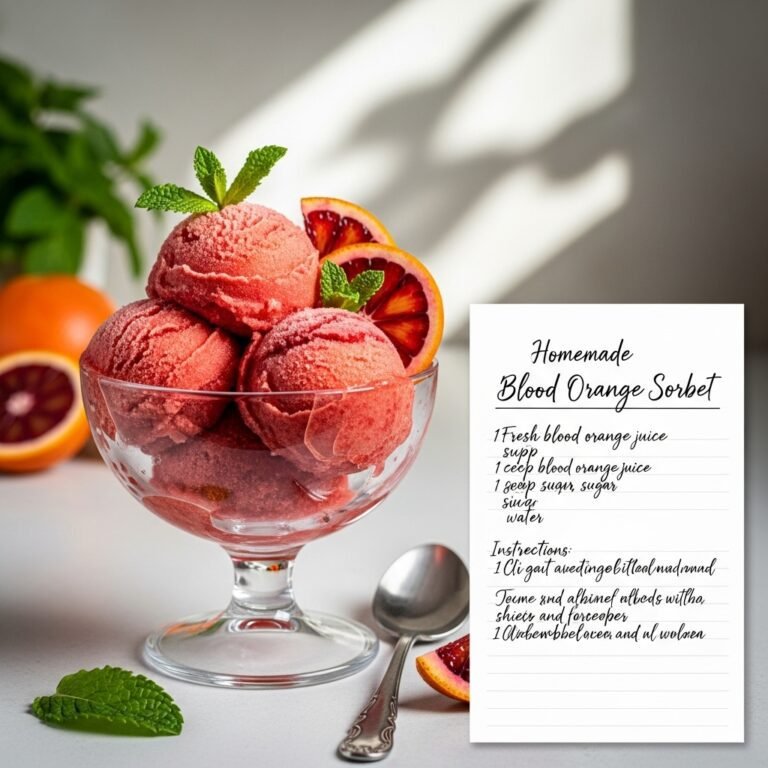
There’s something genuinely magical about biting into a spoonful of blood orange sorbet. That deep crimson-red hue that looks almost jewel-like as it catches the light, the complex citrus flavor that’s simultaneously sweet and slightly tart, and that luxurious icy texture that melts on your tongue—it’s not just delicious, it’s also absolutely gorgeous. This isn’t your average orange sorbet; blood orange sorbet is the sophisticated, elegant cousin that shows up to dinner parties looking stunning and making everyone immediately impressed.
Blood orange sorbet has become increasingly popular among home cooks and food enthusiasts, and honestly, once you understand why, it makes total sense. Blood oranges have this incredible depth of flavor that regular oranges simply can’t match. They’re fruity and citrusy, but with subtle berry undertones and a complexity that feels almost luxurious. When transformed into sorbet, they create something truly special—a frozen dessert that’s both refreshingly light and genuinely indulgent.
This homemade blood orange sorbet recipe is trending on Pinterest right now for all the right reasons. It’s perfect for winter and early spring entertaining when blood oranges are at their peak. It’s elegant enough to serve at dinner parties as a sophisticated palate cleanser between courses, yet casual enough for a family dessert on a regular Tuesday evening. It’s naturally vegan and dairy-free, making it perfect for guests with dietary restrictions. And perhaps most importantly, it tastes like you spent hours perfecting something absolutely fancy, when in reality you made it effortlessly in your own kitchen.
The best part? Despite looking like it came from an upscale gelato shop or fine dining restaurant, this blood orange sorbet is surprisingly simple to make. Fresh blood oranges, sugar, water, and maybe a touch of lemon juice—that’s genuinely all you need. No complicated techniques, no fancy equipment required (though an ice cream maker makes it easier), and absolutely no mystery ingredients. Just pure, vibrant, blood orange goodness.
History and Background of Blood Orange Sorbet
To truly appreciate this recipe, let’s explore the fascinating history behind both blood oranges and sorbet, and how this elegant combination came to be.
Blood oranges themselves have an intriguing history. They’re believed to have originated in Sicily, Italy, likely as a natural mutation of sweet oranges. The distinctive deep red pigmentation comes from anthocyanins—the same compounds that make berries red and purple. These pigments are more prevalent in some regions due to climate conditions, particularly the warm days and cool nights of Sicily and southern Italy. The Sicilian blood orange, or “arancia rossa di Sicilia,” is particularly famous and is protected by an EU Protected Designation of Origin (PDO) status, similar to how Champagne can only come from Champagne, France.
Blood oranges didn’t gain widespread recognition until the 19th century, when Italian traders began exporting them to other European countries. The dramatic deep red color fascinated people—it was so striking and unusual that the oranges seemed almost exotic and mysterious. Some historical sources suggest that the vivid red interior reminded people of blood, which is how they got their evocative name. Others claim the name comes from Italian folklore and old legends. Regardless of the naming origin, blood oranges captured people’s imaginations and quickly became prized ingredients in European cuisine.
Sorbet, as we discussed earlier, has ancient roots in the Middle East and was popularized in Italy during the Renaissance. However, the combination of blood oranges and sorbet is a more recent culinary marriage—likely developed in Sicily or other Italian regions where both blood oranges and sorbet-making traditions flourished. Italian gelato shops and fine dining establishments began featuring blood orange sorbet as a signature offering, and its popularity has only grown with time.
Today, blood orange sorbet is considered one of the most elegant and sophisticated frozen desserts you can serve. It’s particularly beloved during the winter and early spring months when blood oranges are in season (typically December through April). In Italian fine dining, blood orange sorbet appears frequently as a palate cleanser—served as a small scoop between courses to refresh diners’ palates and prepare them for the next dish.
The beauty of blood orange sorbet is that it represents the perfect marriage of tradition and elegance. It honors centuries of Italian culinary craftsmanship while delivering something that feels special and indulgent. Making it at home connects you to this rich culinary heritage and allows you to create something truly remarkable in your own kitchen.
Why You’ll Love This Homemade Blood Orange Sorbet Recipe
This recipe is genuinely impressive in almost every way. Here’s exactly why you’re going to absolutely love making and serving this blood orange sorbet:
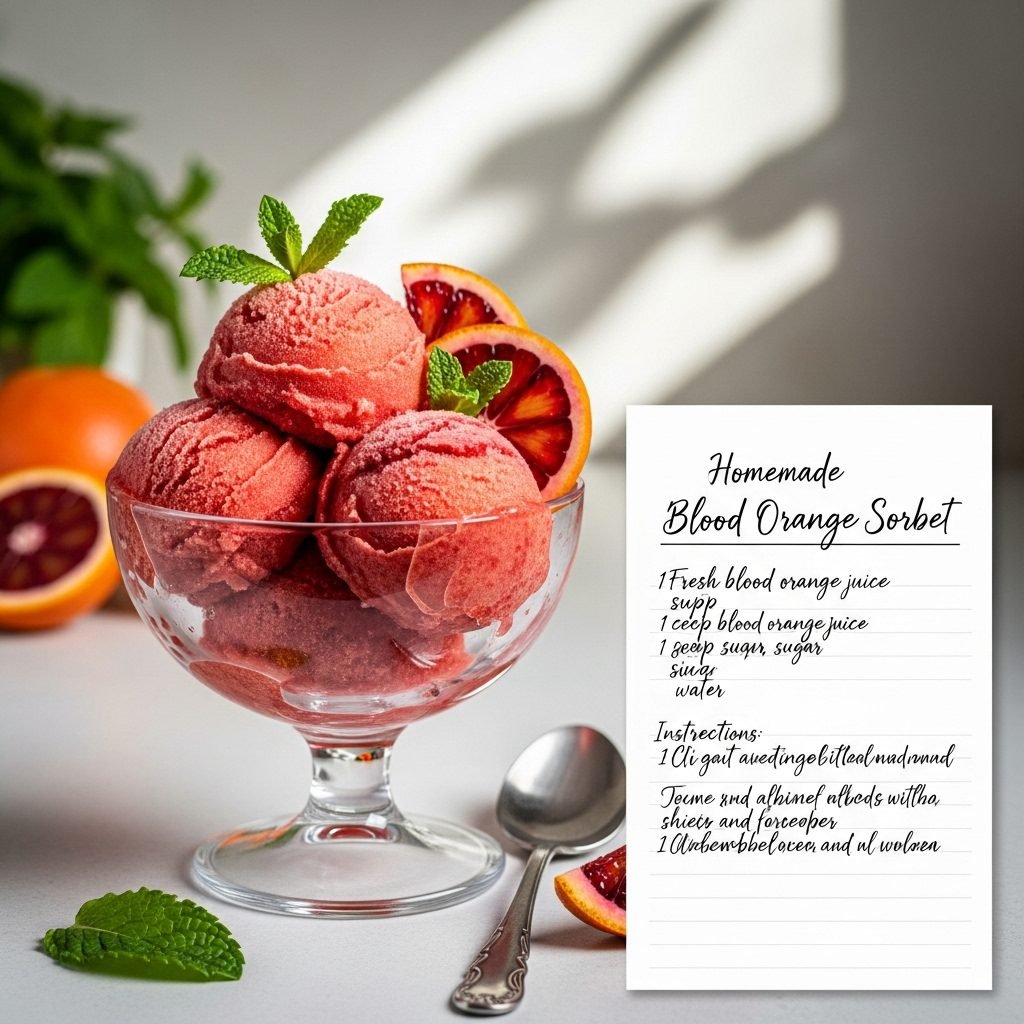
Stunningly beautiful. The deep, jewel-like crimson-red color is naturally gorgeous without any artificial food coloring. It’s the kind of dessert that photographs beautifully and looks equally impressive whether you’re serving it at a formal dinner party or casual family gathering. Your guests will be amazed before they even taste it.
Deeply complex flavor. Blood oranges have a sophistication that regular oranges lack. The subtle berry undertones, the perfect balance of sweetness and tartness, and that complexity that makes people pause and say “wow, what is that flavor?”—it’s all there naturally.
Naturally elegant and refined. This sorbet makes you look like you have sophisticated taste and serious culinary skills. It feels fancy and special without requiring fancy or complicated techniques.
Easier than you’d expect. Despite looking like it came from a professional kitchen, this blood orange sorbet is genuinely simple to make. If you can juice oranges and boil water, you can make this sorbet.
Perfect for entertaining. This is the kind of dessert that impresses dinner guests and makes you the host or hostess everyone remembers. It’s elegant, unique, and absolutely delicious.
Naturally vegan and dairy-free. Contains no dairy, no eggs, no animal products—just fruit and sugar. Perfect for guests with various dietary preferences.
Seasonal and special. Blood oranges are available for a limited time during winter and early spring, which makes this sorbet feel special and seasonal rather than something you could make any time of year.
Light and refreshing. Sorbet is naturally lighter than ice cream, making it perfect for after rich meals or when you want something cold and refreshing without the heaviness.
Here’s what makes this recipe absolutely standout:
- No ice cream maker required. I’ll show you multiple methods, including a no-churn option that still creates beautifully smooth sorbet
- Intensely flavorful. This tastes like concentrated blood orange juice transformed into frozen perfection
- Naturally colored. The stunning red color comes directly from the blood oranges themselves—no artificial dyes needed
- Perfectly balanced. The sweetness and tartness are in harmony; nothing overpowers
- Looks restaurant-quality. Serve it and watch your guests’ jaws drop at how professional it looks
- Makes impressive servings. The yield is generous, perfect for dinner parties and entertaining
Ingredient Notes and Explanations
Before we create this gorgeous sorbet, let’s talk about each ingredient and why it matters for the final result.
Fresh Blood Oranges (2 pounds, about 6-8 medium oranges): This is the star ingredient, and quality truly matters. You want oranges that are heavy for their size (indicating juiciness), fragrant, and have deep red coloring both on the outside and inside. The juice should be a deep ruby red or even darker—this indicates peak ripeness and maximum flavor development. If you cut an orange and the inside is pale red or orange-colored, it’s not a true blood orange or it’s not ripe enough. Farmers markets and specialty produce sections often have better quality blood oranges than regular grocery stores, especially during peak season (December to April). You’ll need about 1 cup of fresh blood orange juice, so plan accordingly when purchasing.
Granulated Sugar (¾ cup): Sugar does more than sweeten here—it creates the simple syrup that gives sorbet its signature smooth, creamy texture. The sugar lowers the freezing point of the mixture, preventing it from becoming rock-hard and ensuring it remains scoopable. Don’t reduce the sugar too much, or your sorbet will be overly icy. The ¾ cup is the perfect sweet spot for balanced flavor and proper texture.
Water (¾ cup): Water combines with sugar to create the simple syrup base for the sorbet. It acts as the vehicle that distributes the blood orange flavor throughout the frozen dessert. Regular tap water is perfectly fine here.
Fresh Lemon Juice (1 tablespoon): This is the secret ingredient that makes the blood orange flavor absolutely sing. Lemon juice brightens the flavor, prevents the sorbet from tasting one-dimensional and overly sweet, and adds a subtle tartness that feels refreshing and sophisticated. Always use fresh-squeezed lemon juice—bottled varieties lack the complexity and brightness you need here.
Salt (Pinch): A tiny pinch of salt enhances all the flavors and prevents the sorbet from tasting flat or one-dimensional. It might seem odd to add salt to a frozen dessert, but this is a professional trick used in kitchens everywhere.
Possible Substitutions:
- If you can’t find blood oranges, regular oranges work, though you’ll lose the unique deep red color and subtle berry undertones. Consider adding a tablespoon of pomegranate juice to approximate the color and add complexity.
- If fresh blood orange juice isn’t available, bottled blood orange juice works, though fresh is preferable for best flavor.
- Lime juice can substitute for lemon juice if you prefer a different citrus angle.
- You can reduce the sugar to ½ cup for a less sweet, more tart sorbet, though it will freeze slightly harder.
- Honey or corn syrup (2-3 tablespoons) can replace an equal amount of sugar for a slightly softer, creamier texture.
- A tablespoon of sparkling wine or champagne can replace some of the water for an elegant variation.
Equipment You’ll Need
Creating this stunning blood orange sorbet doesn’t require expensive or specialized equipment. Here’s everything you need:
Essential Equipment:
- Citrus juicer or reamer (to extract juice from blood oranges efficiently)
- Saucepan (small to medium, for making the simple syrup)
- Whisk or wooden spoon (for stirring)
- Measuring cups and measuring spoons (for accurate measurements)
- Bowls (at least two: one for cooling the syrup, one for the final sorbet base)
- Ice cream maker or sorbet maker (or use the no-churn alternative)
- Colander or strainer (for removing pulp if desired)
If Using an Ice Cream Maker:
- An electric ice cream maker with a pre-frozen bowl (most user-friendly option)
- Freezer space to accommodate the bowl being pre-frozen for 24 hours
If You Don’t Have an Ice Cream Maker (No-Churn Method):
- A shallow baking dish (8×8 inch or 9×13 inch)
- Plastic wrap or parchment paper
- A fork for stirring every 30 minutes
- Optional: Food processor for smoothing
Nice-to-Have Items:
- Kitchen thermometer (to monitor syrup temperature)
- Fine-mesh sieve (for removing pulp and seeds for ultra-smooth sorbet)
- Rubber spatula (for scraping bowls clean)
- Chilled serving bowls or glasses
- Ice cream scoop (preferably chilled)
Print

SBlood Orange Sorbet Recipe
This exquisite homemade blood orange sorbet recipe creates a stunning, deep crimson-red frozen dessert with complex citrus flavor. Made with just fresh blood orange juice, sugar, water, and lemon juice, this elegant sorbet tastes like it came straight from an Italian gelato shop or fine dining restaurant. Perfect as a sophisticated palate cleanser, impressive dinner party dessert, or refreshing treat whenever blood oranges are in season.
- Total Time: 30 minutes (plus freezing) or 4.5 hours (no-churn)
- Yield: 4-6 servings (about 1 quart) 1x
Ingredients
Scale- 2 pounds fresh blood oranges (about 1 cup juice)
- ¾ cup granulated sugar
- ¾ cup water
- 1 tablespoon fresh lemon juice
- Pinch of salt
Instructions
Step 1: Extract the Blood Orange Juice Wash the blood oranges thoroughly under running water and pat dry. Using a citrus juicer or reamer, extract the juice from each orange, straining through a fine-mesh sieve as you go to catch any pulp or seeds. You need approximately 1 cup of fresh blood orange juice. If your blood oranges are particularly juicy, you may end up with slightly more, which is fine—just adjust the recipe minimally if needed. Set the juice aside.
Step 2: Make the Simple Syrup Pour the water into a small saucepan and bring to a boil over medium-high heat. Add the sugar and stir constantly until completely dissolved, about 2-3 minutes. The syrup should be clear and the sugar should no longer be visible. Remove from heat and let cool completely—this is crucial. You can speed this up by transferring to a bowl and refrigerating for 15-20 minutes, or letting it sit at room temperature for about 30 minutes. A warm syrup will affect the flavor and color of the final sorbet.
Step 3: Combine Base Ingredients In a large bowl, combine the blood orange juice, cooled simple syrup, fresh lemon juice, and a tiny pinch of salt. Stir well until thoroughly combined. Taste the mixture and adjust as needed: add more lemon juice if you want it more tart, or a tablespoon of sugar if you want it sweeter. This is your last chance to perfect the flavor before freezing.
Step 4: Chill the Base Cover the sorbet base and refrigerate for at least 2 hours, or until completely chilled. Ideally, refrigerate overnight. A very cold base churns more efficiently and creates smoother, more refined texture. Don’t skip this step—it’s essential for proper texture development.
Step 5: Churn the Sorbet (Using an Ice Cream Maker) Remove your ice cream maker bowl from the freezer (it must have been pre-frozen for at least 24 hours). Pour the chilled blood orange base into the machine and churn according to your manufacturer’s instructions, usually 20-25 minutes. Watch as the sorbet transforms from liquid to soft-serve consistency. Churn until it reaches soft-serve texture—this is the perfect stopping point. Don’t over-churn, as this creates an icy rather than creamy texture.
Step 5 Alternative: No-Churn Method If you don’t have an ice cream maker, pour the chilled sorbet base into a shallow baking dish and place in the freezer. Every 30 minutes, remove and stir vigorously with a fork, scraping ice crystals from the sides toward the center. Repeat this process for 4-5 hours until the sorbet reaches creamy, scoopable consistency. For extra smoothness, blend the sorbet in a food processor after 1-2 hours of freezing, then return to the freezer and continue stirring every 30 minutes.
Step 6: Freeze Until Firm (Optional) If using an ice cream maker, transfer the soft-serve sorbet to a freezer-safe container and freeze for 2-3 hours until firm enough to scoop easily. If you prefer a softer serve consistency, you can scoop directly from the ice cream maker into chilled bowls.
Step 7: Serve and Enjoy Scoop into chilled bowls, glasses, or cones and serve immediately. The deep crimson color is absolutely stunning and impresses immediately. Sorbet is best enjoyed within the first week but keeps beautifully in the freezer for up to 2 weeks. Let soften at room temperature for 5 minutes if it’s frozen too hard.
Notes
- The quality of blood oranges dramatically affects the final result. Ripe, juicy blood oranges with deep red color create superior sorbet. Pale or unripe blood oranges create disappointing results.
- Fresh lemon juice is non-negotiable—bottled juice lacks the brightness and complexity you need.
- The simple syrup must be completely cooled before combining with the juice. Warm syrup affects both flavor and color.
- A completely chilled base (at least 2 hours, preferably overnight) churns more efficiently and creates better texture.
- The ice cream maker bowl must be pre-frozen for the full 24 hours. This is essential for proper churning.
- The sorbet will seem thin when churning but firms up beautifully as it freezes.
- If sorbet becomes too hard in the freezer, let it sit at room temperature for 5-10 minutes before scooping.
- The gorgeous deep red color comes naturally from the blood oranges—no artificial food coloring needed.
- Prep Time: 15 minutes
- Cook Time: 5 minutes
- Category: Desert
- Method: Stovetop + Churning or Freezing
- Cuisine: Italian
- Diet: Gluten Free
Nutrition
- Serving Size: ½ cup
- Calories: 112
- Sugar: 25g
- Sodium: 18mg
- Fat: 0g
- Saturated Fat: 0g
- Unsaturated Fat: 0g
- Trans Fat: 0g
- Carbohydrates: 28g
- Fiber: 0.5g
- Protein: 0.5g
- Cholesterol: 0mg
Tips and Variations
Flavor Variations:
Blood Orange-Champagne Sorbet: Replace ¼ cup of water with champagne or sparkling wine for an elegant, celebratory version. This creates a sophisticated sorbet perfect for special occasions and dinner parties.
Blood Orange-Pomegranate Sorbet: Add ¼ cup of pomegranate juice to the sorbet base. This deepens the red color and adds complexity with subtle berry notes.
Blood Orange-Cardamom Sorbet: Add ⅛ teaspoon of ground cardamom to the simple syrup while it’s still warm. The cardamom adds warm, slightly floral notes that complement blood orange beautifully.
Blood Orange-Ginger Sorbet: Add 1 teaspoon of fresh grated ginger to the simple syrup while hot, let steep for 5 minutes, strain, then cool. The ginger adds warming spice that contrasts wonderfully with the bright citrus.
Blood Orange-Rosemary Sorbet: Add a 2-inch sprig of fresh rosemary to the simple syrup while hot, let steep for 10 minutes, then strain and cool. The herbal notes add unexpected sophistication.
Blood Orange-Honey Sorbet: Replace ¼ cup of sugar with honey for deeper, more complex sweetness and slightly softer texture.
Adult Blood Orange Sorbet: Add 2 tablespoons of blood orange liqueur or Campari to the sorbet base for a more sophisticated, grown-up version.
Reduced Sugar Version: If you prefer less sweetness, use ½ cup sugar instead of ¾ cup. The sorbet will be slightly more tart and will freeze slightly harder.
Texture and Presentation Variations:
Extra Creamy Sorbet: Add 1-2 tablespoons of honey or corn syrup to the base. This prevents the sorbet from freezing too hard and creates an ultra-smooth texture.
Granita-Style: For a coarser, more crystalline texture (granita instead of sorbet), reduce the sugar to ½ cup and don’t churn—simply freeze and stir with a fork every 30 minutes for a grainier texture.
Pro Chef Tips for Perfect Blood Orange Sorbet
Tip 1: Choose Deeply Colored Blood Oranges Not all blood oranges are created equal. Look for ones with deep crimson-red coloring, both on the outside and when you cut them open. Pale or orange-colored interiors indicate they’re either not true blood oranges or aren’t ripe enough. This is the most important factor in creating stunning, flavorful sorbet.
Tip 2: Taste the Juice Before You Commit Take a sip of your blood orange juice before making the sorbet. It should taste balanced between sweet and tart, with that distinctive blood orange complexity. If the juice itself is disappointing, the sorbet will be too.
Tip 3: Temperature Control is Everything A very cold base churns more efficiently and creates silkier texture. Chill for at least 2 hours, but overnight is even better. The ice cream maker bowl must be pre-frozen for the full 24 hours—there are no shortcuts here.
Tip 4: Watch for the Soft-Serve Moment The sorbet is ready when it reaches soft-serve consistency—that perfect frozen but still creamy texture. At this point, transfer to the freezer. Over-churning creates an icy, unpleasant texture.
Tip 5: Use Fresh Lemon Juice Bottled lemon juice is a no-go. Fresh-squeezed lemon juice is what makes this sorbet taste sophisticated and refined. Spend the two minutes squeezing fresh lemon juice—it makes a noticeable difference.
Tip 6: Chill Your Serving Bowls For the most impressive presentation and best texture, chill your serving bowls in the freezer for 10 minutes before scooping. This keeps the sorbet at the perfect temperature while you serve it.
Tip 7: Strain for Ultra-Smooth Texture If you want the silkiest possible sorbet without any pulp, strain the blood orange juice through a fine-mesh sieve before combining with the syrup. This creates more refined texture, though you lose some of that fresh citrus appearance.
Tip 8: The No-Churn Fork Method Works Surprisingly Well If you don’t have an ice cream maker, don’t despair. Consistent stirring every 30 minutes creates surprisingly smooth sorbet. The key is consistency—don’t skip a stirring session.
Common Mistakes to Avoid
Mistake 1: Using Unripe or Pale Blood Oranges If the blood oranges aren’t deeply colored inside, the juice will be pale, the flavor will be weak, and the sorbet will be disappointing. Always check the interior color before committing to making sorbet. This is the #1 mistake that results in mediocre sorbet.
Mistake 2: Using Warm Simple Syrup Never combine warm syrup with the blood orange juice. The heat changes the flavor and affects the color. Always let the syrup cool completely—at least 30 minutes at room temperature or 15-20 minutes in the refrigerator.
Mistake 3: Not Pre-Freezing the Ice Cream Maker Bowl Many people skip this step or don’t allow enough time. The bowl absolutely must be frozen for 24 hours. If it’s not sufficiently frozen, the sorbet won’t churn properly and will turn into a slushy rather than proper sorbet.
Mistake 4: Over-Churning Churning too long incorporates too much air and can create an icy, grainy texture. Churn just until soft-serve consistency is reached, then stop. Resist the urge to keep churning to make it “smoother.”
Mistake 5: Skipping the Chill Time A base that isn’t sufficiently chilled won’t churn properly. Chill for at least 2 hours, preferably overnight. This isn’t optional—it’s essential for proper texture and flavor development.
Storage and Meal Prep
How to Store: Blood orange sorbet keeps beautifully in the freezer for up to 2 weeks, though it’s best enjoyed within the first week. Store in an airtight container with plastic wrap pressed directly onto the surface to prevent ice crystals from forming.
Shelf Life: For optimal flavor and texture, consume within 7 days. After 2 weeks, ice crystals begin to form and texture degrades, though it’s still delicious.
Softening for Serving: If the sorbet freezes too hard, let it sit at room temperature for 5-10 minutes before scooping. This brings it to perfect scoopability. Never microwave sorbet, as this creates uneven texture.
Preventing Ice Crystals: The key to preventing ice crystals is proper airtight storage. Always use an airtight container, press plastic wrap directly onto the sorbet surface, and store in the coldest part of your freezer (usually the back).
Can You Refreeze? Technically yes, but repeated freezing and thawing creates ice crystals and degrades quality. Make sorbet and enjoy it fresh rather than refreezing.
Make-Ahead and Freezer Notes
Advance Preparation: Yes! You can make the sorbet base up to 2 days ahead. Combine all ingredients and store in an airtight container in the refrigerator. This actually improves the flavor, as the blood orange essence has time to develop.
Freezer-Friendly: Absolutely! The finished sorbet freezes beautifully for up to 2 weeks. If you’re planning a dinner party, make this days in advance and simply scoop and serve when guests arrive.
Best Reheating/Serving: Sorbet isn’t “reheated” but rather softened. Remove from the freezer 5-10 minutes before serving and let sit at room temperature. This ensures it’s soft enough to scoop while maintaining that perfect frozen texture.
Batch Cooking: This recipe doubles beautifully if you’re serving a large group. Simply multiply all ingredients by two and follow the same process. You may need to work in batches if you only have one ice cream maker.
Serving Suggestions
As a Palate Cleanser: This is the classic Italian way to serve sorbet. Serve a small scoop (about 2 ounces) between courses at a multi-course meal. The bright acidity cleanses the palate and prepares diners for the next course.
As an Elegant Dessert: Serve in small chilled glasses or bowls as a sophisticated end to dinner. The stunning deep red color is impressive on its own, requiring minimal garnish.
With Complementary Treats: Pair with delicate butter cookies, almond biscotti for dunking, or crispy wafer cookies. You can also serve alongside panna cotta or tiramisu for a more elaborate dessert course.
Garnish Ideas: Top with fresh mint leaves, a thin slice of blood orange, or candied orange peel for visual appeal. A tiny splash of sparkling wine in the bowl adds elegance.
Beverage Pairings: Serve with sparkling water, prosecco, champagne, or a light white wine for sophisticated entertaining. For casual settings, pair with fresh orange juice or iced tea.
In Cones: Scoop into waffle cones or sugar cones for a more casual, portable presentation. Perfect for special celebrations or outdoor gatherings.
Summer vs. Winter Serving: During winter and early spring when blood oranges are in season, serve this as a special, seasonal treat. The limited availability makes it feel extra special.
Frequently Asked Questions
Q: Can I make this sorbet without an ice cream maker? A: Absolutely! The no-churn fork method works beautifully. Stir the mixture with a fork every 30 minutes for 4-5 hours. For smoother results, process it in a food processor after 1-2 hours, then return to the freezer and continue stirring.
Q: What’s the difference between sorbet and granita? A: Sorbet is smooth and creamy from churning. Granita is coarser and more crystalline from freezing without churning. This recipe creates sorbet, but you can make granita by skipping the churning and just stirring with a fork every 30 minutes.
Q: Where can I find blood oranges? A: Blood oranges are typically available December through April. Look for them at farmers markets, specialty grocery stores, or upscale supermarket produce sections. Some grocery stores only carry them during peak season.
Q: Can I use bottled blood orange juice? A: Yes, though fresh-squeezed is preferable. If using bottled juice, make sure it’s pure blood orange juice with no added sugar or preservatives. Adjust the sugar slightly if the juice is particularly sweet.
Q: Is homemade blood orange sorbet vegan? A: Yes! This recipe is naturally vegan, containing only fruit, sugar, water, and lemon juice. No dairy, no eggs—completely plant-based.
Q: Why is my sorbet too icy instead of creamy? A: This usually means the base wasn’t chilled sufficiently, or there isn’t enough sugar. Ensure you chill for at least 2 hours (preferably overnight), and use the full amount of sugar called for in the recipe.
Q: Can I add alcohol to this sorbet? A: Yes! Add 2-3 tablespoons of blood orange liqueur or Campari. Alcohol lowers the freezing point, so use it carefully—too much alcohol prevents proper freezing.
Conclusion
Making homemade blood orange sorbet is one of those magical kitchen experiences where the effort-to-impression ratio is completely skewed in your favor. You invest minimal time and effort, yet create something that looks like it came from an upscale gelato shop or Michelin-starred restaurant. It’s genuinely one of the best-kept secrets in home entertaining.
There’s something truly special about serving a deep crimson-red frozen dessert that’s both elegant and refreshingly light. Your guests will be absolutely mesmerized by the color, impressed by the sophisticated flavor, and amazed to learn you made it yourself at home. And here’s the beautiful part: you can honestly tell them it was easier than they probably imagine.
This blood orange sorbet recipe represents the perfect balance of sophistication and approachability. It honors Italian culinary traditions while being accessible to any home cook with basic kitchen equipment. It’s refined enough for formal entertaining yet simple enough for a casual Tuesday night treat. It’s impressive enough to serve at dinner parties yet unpretentious enough to enjoy alone on a quiet afternoon.
I genuinely encourage you to make this sorbet during blood orange season. Once you taste how incredible it is, you’ll understand why blood oranges deserve a special place in your culinary repertoire. The combination of natural beauty, complex flavor, and surprising simplicity makes this one of my absolute favorite recipes to share with fellow food lovers.
Please let me know how this sorbet turns out! Did you try any of the flavor variations? Did you use the ice cream maker or the no-churn method? Drop a comment below—I’d love to hear about your experience. Better yet, snap a photo and tag me on Pinterest. I absolutely adore seeing your beautiful creations and getting your feedback. If you enjoyed this recipe, please pin it to your dinner party inspiration board and share it with your fellow food-loving friends. Happy sorbet making!